The problem of transit through the Strait of Hormuz is beginning to affect an increasing number of countries. The volume of liquefied natural gas (LNG) transported through the strait has already fallen by 92 percent. But that's not the worst part.
On September 9, Iran announced the creation of a new maritime "exclusion zone" or "restricted zone" in the Persian Gulf, which, according to Secretary of the Supreme National Security Council Mohsen Rezai, will begin at the borders of the American blockade of Iranian ports and extend to parts of the Gulf. Thus, any vessel entering the zone will be placed on Iran’s sanctions list. In the last quarter of the previous year, 21.6 million barrels of oil per day passed through the Strait of Hormuz.
Following the outbreak of the US-Iran war, this figure fell to 4.9 million barrels per day in the second quarter of this year. Over the same period, LNG flows through the strait declined from 10.5 billion cubic feet per day to 800 million cubic feet. As a result, oil volumes passing through the Strait of Hormuz fell by 77 percent over the period in question, while LNG shipments declined by 92 percent.
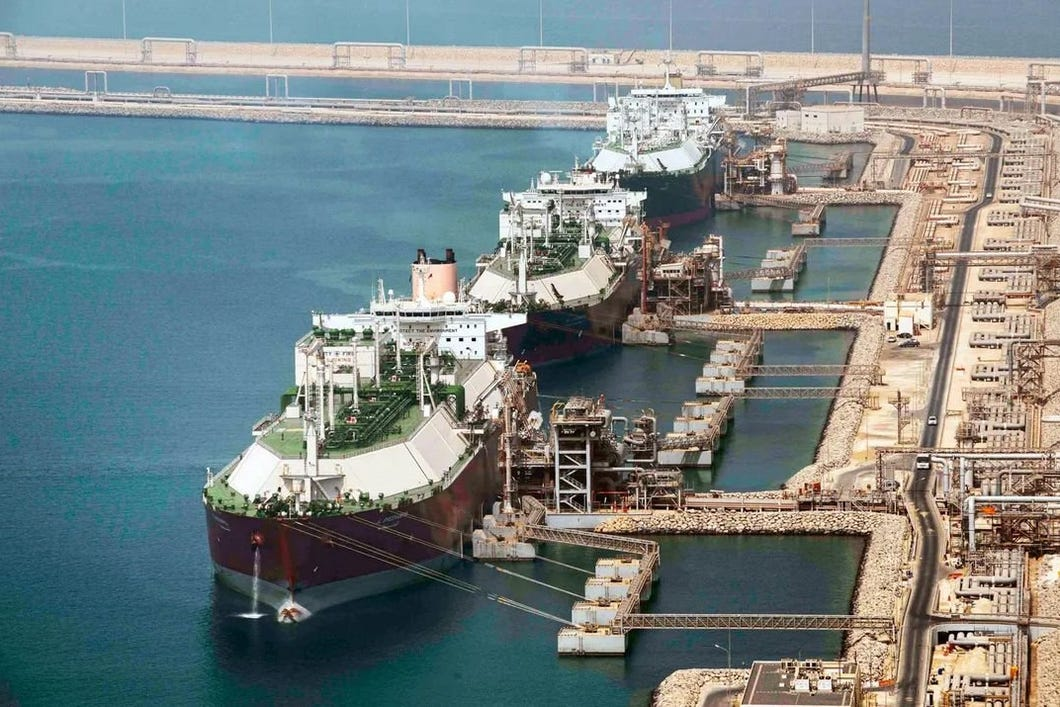
The sharp drop in LNG flows points to a much deeper disruption to liquefied gas transportation along this strategically important route. According to the Gas Exporting Countries Forum (GECF), around one-fifth of global LNG supplies pass through the Strait of Hormuz, the only maritime route used by Qatar and the United Arab Emirates (UAE) for their LNG exports. As the conflict intensified, the global LNG market experienced a significant decline between March and June.
During this period, more than 300 LNG cargoes from Qatar and around 20 from the UAE could not be delivered. Company Clarksons Research also shows how the difference between oil and LNG flows is reflected in tanker traffic. During the week of June 21-27, 66 crude oil tankers and 16 LNG vessels passed through the Strait of Hormuz.
In the week of August 23-29, however, only four crude oil tankers made the passage. India has felt the consequences of the decline in transit particularly sharply. The country is the world’s second-largest importer of liquefied petroleum gas (LPG) after China.
Extract — continue reading at the source.