Iran is still undecided about resuming talks with the United States to end the war, amid disagreements about ceasefire violations and the future of the Strait of Hormuz. Mediators from both Qatar and Pakistan are exchanging messages and are in contact with Iran, “but this does not mean negotiations”, he said. Araghchi blamed the US for the return to violence following the signing of a memorandum of understanding (MoU) in Pakistan in June, and said a new path out of the conflict must be defined.
He said Iran is separately working with Oman on a technical process to establish new routes for shipping in the Strait of Hormuz, but any transit of ships is contingent on a political solution being reached. We are currently designing a temporary route that will become the final route in the next stages,” the minister said. He added that “whether or not shipping traffic in the Strait of Hormuz resumes … depends on the fulfilment of other conditions that the United States must adhere to”.
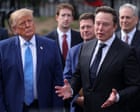
Araghchi’s comments came on the same day that US President Trump said: “After we finish defeating Iran … I’ll be declaring the Hormuz Strait a territory of the United States.” In response, Kazem Gharibabadi, Iran’s deputy foreign minister for legal and international affairs, said on X that the “Strait of Hormuz has been Iranian, is Iranian, and will remain Iranian”. As the two sides trade remarks, control over the key waterway remains contested. On Friday, the UAE’s Abu Dhabi National Oil Company (ADNOC) said that one of its ships had come under attack while transiting the Strait of Hormuz – the latest in a string of such incidents over the past weeks.
Following six months of fighting that has failed to fulfil Washington and Israel’s aim of overthrowing Iran’s leaders or opening the Strait of Hormuz, the US now appears to be signalling a move towards the use of economic pressure to achieve its goals. On Thursday, US Treasury Secretary Scott Bessent said the US will soon apply new economic measures to pressure Iran. In August, the US announced steps to dismantle a web of currency exchange houses and shell companies that it said helped Iran secretly move hundreds of millions of dollars through the international financial system.
This strategy is not new: Iran has faced a web of ever-tightening economic sanctions from the US and others since the revolution in 1979. Economic troubles have repeatedly led to highly destabilising protests – but none have triggered meaningful regime change. Marc Ginsberg, a former US ambassador and White House Middle East policy adviser, told Al Jazeera that while the US has long used maximum pressure tactics, the current situation is distinct, and the White House lacks a clear strategy to resolve the standoff.
Which of the two parties is going to jump off the side of the road before a collision?” he said.
Extract — continue reading at the source.