A few blocks from where I live, a quaint, mid-size home was recently razed and replaced by a house that seems to have eaten its own property. It stretches from one edge of the lot to the other, with barely enough room around it to suggest that land ever existed there before. It is large in the way so many new houses are large now: swollen, as though every available inch has been converted into interior space.
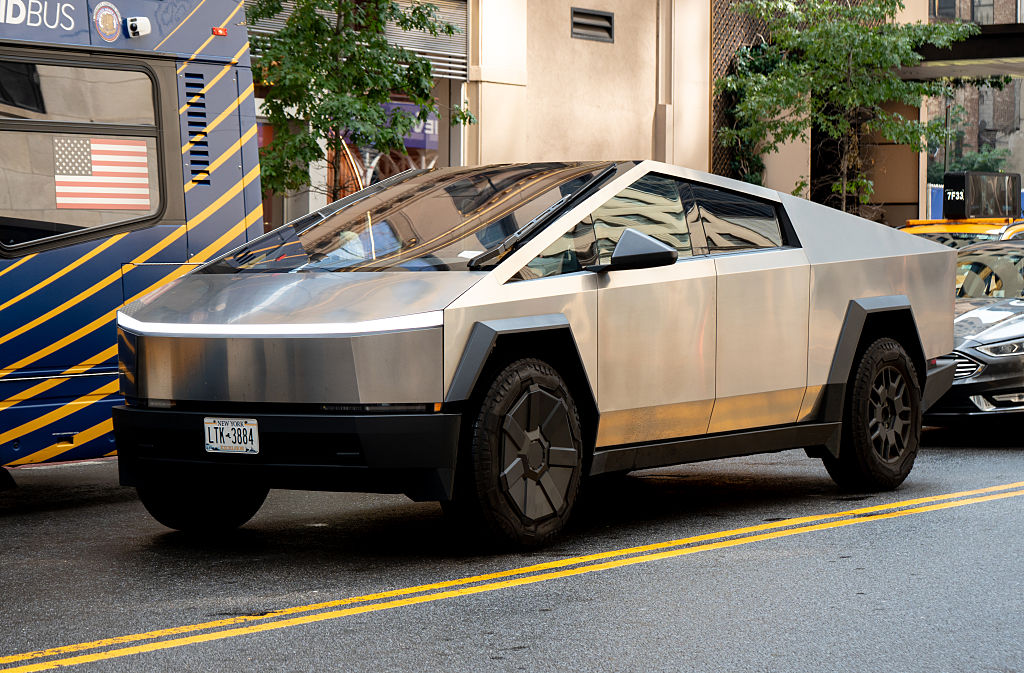
I have begun noticing the same impulse everywhere: things are getting bigger, louder and more visually insistent, as though occupying more space has itself become a form of value. Cars have become taller, wider, and more aggressive, with grilles that look more weaponized than designed. The Tesla Cybertruck seems to have taken that impulse to the extreme: it is a vehicle so visually belligerent it appears constructed to win an argument no one knew they were having.
In fashion, the appetite for exaggeration has taken a more deliberate form, as Gen Z embraces enormous silhouettes and awkward proportions that would have horrified generations raised to believe that looking “put together” was a virtue or a goal. I have found myself wondering: Is the world getting uglier? I know that suggesting something is ugly is deeply subjective, and every generation has looked at the one before it and wondered what they could possibly be thinking.
Tastes evolve, standards change, and beauty is inherently vulnerable to nostalgia. But I don’t think what I am seeing is simply a matter of taste. I think it has more to do with proportion.
Good design relies on understanding context: how a building sits on its street, how a chair accommodates a body, how type works on the page and for the reader. What I am noticing now is how often these considerations seem to disappear, as if the object itself matters more than the environment or community it belongs to. This matters because we are living in an attention economy, and attention rewards extremity.
The more a design is rewarded for being instantly visible, recognizable, and shareable, the easier it becomes to lose sight of proportion, purpose, and the people who have to live alongside it. A house that dominates its lot, a cartoonishly oversized shoe, or a restaurant interior conceived to be posted online before the food arrives are all responding, in different ways, to the same pressure: to attract attention first and consider the consequences after. Perhaps this is why so much contemporary design feels more bloviating than expressive, as though visual volume now matters more than beauty.
Extract — continue reading at the source.