On the morning of April 28, 1986, the alarms at Sweden’s Forsmark nuclear power station went haywire. The facility’s radiation detectors found workers at the plant had been contaminated, and officials began to panic that a major nuclear disaster was unfolding. A disaster was unfolding … just not in Forsmark.
Nearly 700 miles away, Reactor 4 at Chernobyl in Ukraine—then a Soviet Socialist Republic—was spewing radioactive material into the sky, two days after explosions exposed the reactor core and triggered a meltdown. No one beyond the Iron Curtain knew, because Moscow tried to cover it up. It was only after the Swedes realized their nuclear reactors were safe and the radioactive contamination was coming from abroad that the game was up, and the USSR was forced to reveal the disaster to the world.
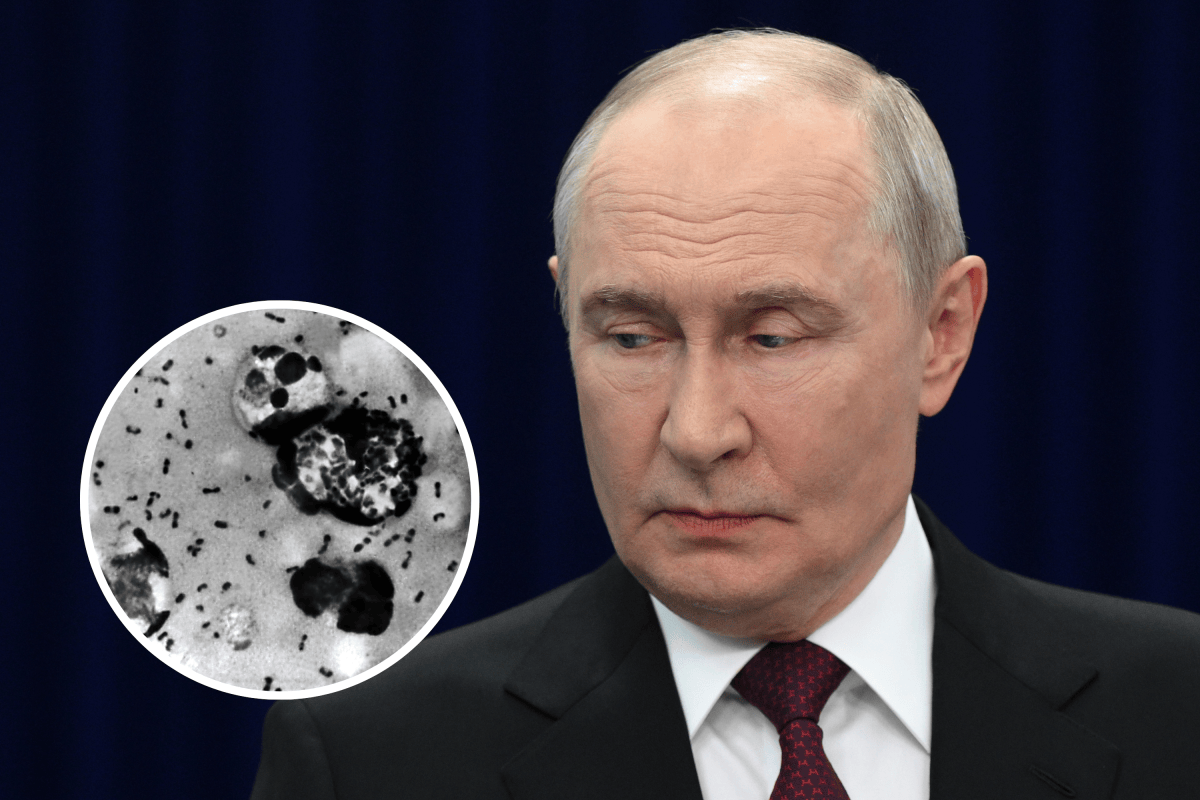
Forty years later, Moscow faces another disturbing information battle over something arguably more terrifying than a nuclear reactor meltdown—a suspected case of pneumonic plague. Reports emerging from Siberia describe the death of a young lab technician working with deadly bacteria at a facility engaged in biological security and counter-bioterror research, a hospital quarantine, and extraordinary public-health precautions. Russia’s public health body, Rospotrebnadzor, insists otherwise; there was no laboratory accident in the first place, and no plague outbreak.
But Moscow has offered scant evidence for anyone beyond Russia’s borders to establish that for themselves. The saga began on September 25, when lab worker Darya Shipilova allegedly broke a tube containing Yersinia pestis—the official, less catchy name for the bacteria that causes the plague—according to multiple Russian media reports. Her workplace, the Irkutsk Anti-Plague Research Institute, is no ordinary lab.
It is a federal research center under Rospotrebnadzor—Russia’s public health agency—which, since the 1930s, has conducted research on the plague and other infectious diseases, and is engaged in biological security research, supposedly to prevent bioterrorism. A document published on the institute’s website dated November 2022 reveals Y. pestis was one of many pathogens undergoing active research. Shipilova reportedly began exhibiting symptoms of pneumonia and was hospitalized at District Hospital in the town of Shelekhov near Irkutsk on September 29.
On October 1, the hospital’s inpatient unit was quarantined. By October 2, Shipilova was dead. That’s what we know—or at least, what we think we know, based on all available Russian media reporting.
Extract — continue reading at the source.