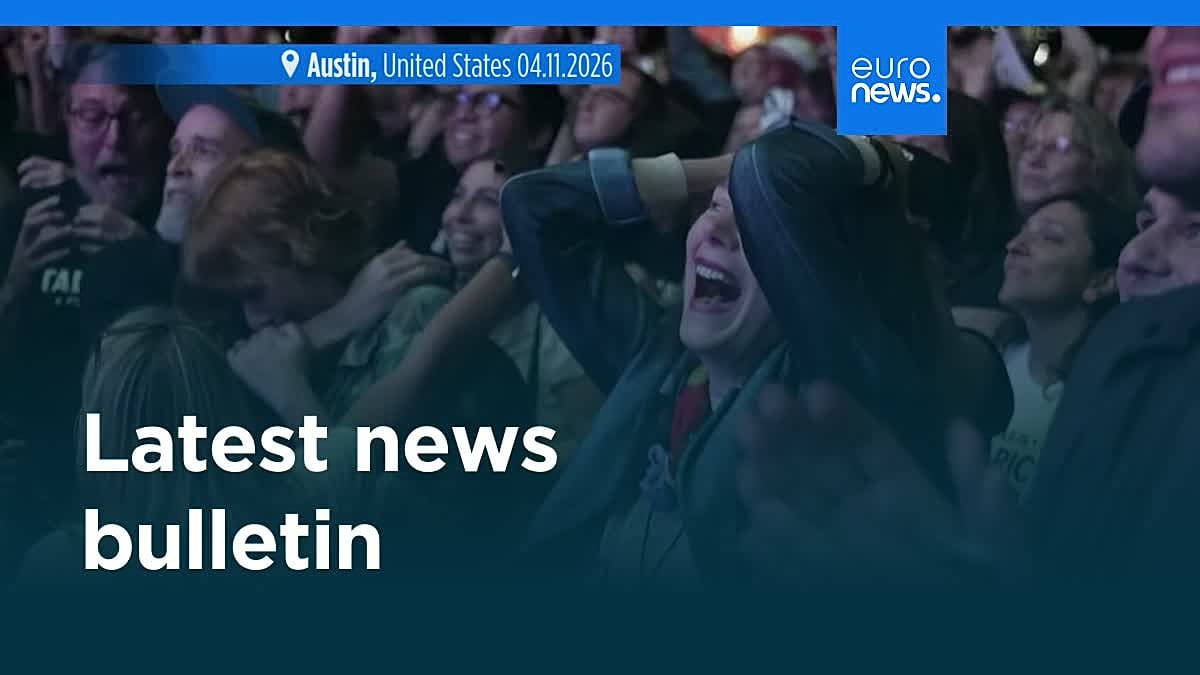
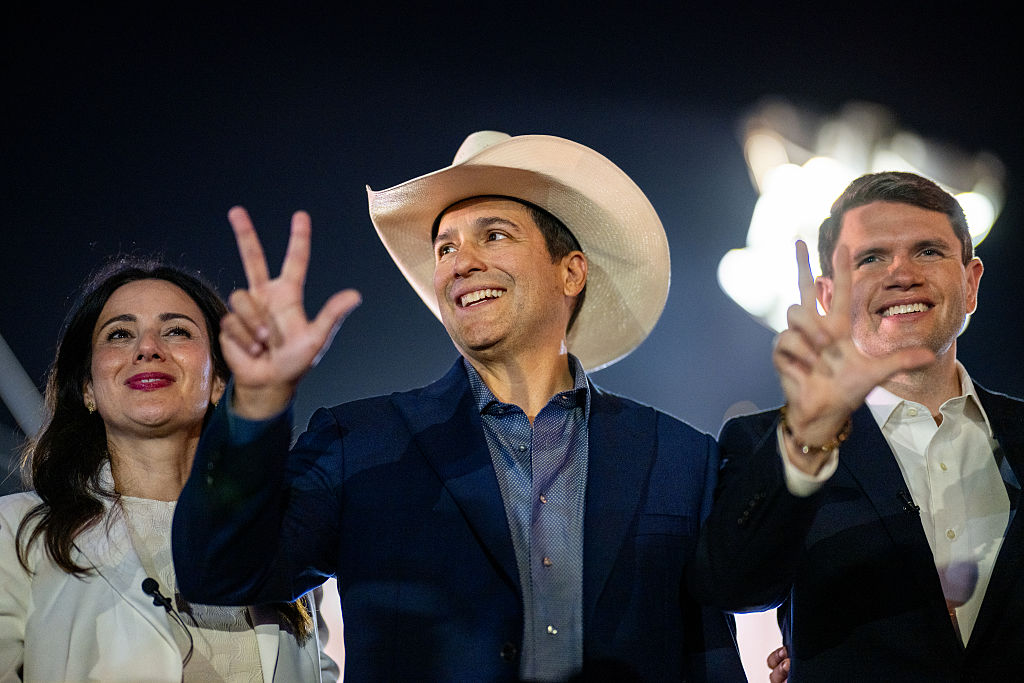
Democrats have flipped some long-held Republican seats and secured a majority in both houses of the US Congress, but a defiant President Donald Trump has given a mixed reaction, expressing his willingness to accept the results and work with the Democrats while also positioning himself to put up a fight. In posts on Truth Social following Tuesday’s midterm vote, Trump pinned the defeat on the fact that he wasn’t personally on the ballot, stressing that if he had been running, Republicans would have “won IN A LANDSLIDE!” In an interview with The New York Times while watching election returns at the White House, he said he was “absolutely willing to accept those results” and to “work with the Democrats”, only to then post on social media an image of a red MAGA hat with his slogan replaced by the word: “VETO”, referring to his the presidential power he has to block legislation passed by Congress. But critics and commentators are already declaring that, with the Republican midterm losses, the president is “lame duck”.
The ‘lame duck’ period for a president refers to the period at the end of a president’s term, usually after their successor has been elected but before they have left office. An outgoing politician is largely believed to have considerably less influence due to their limited time remaining in office. The use of the term has expanded to include longer periods when the scheduled or expected departure of a politician results in a depreciation of their ability to influence policymaking.
With Trump leading the Republican Party and the Republicans in control of Congress, the president had a great deal of influence over the US legislative agenda. But now that the Democratic Party will lead both houses of Congress, his influence over that agenda will be greatly diminished, and Democratic worries about the president’s opposition may be reduced by his nearing, and unavoidable, departure from office – assuming Trump does not find a way to seek a third term. Moreover, with the midterm election losses largely being interpreted as a repudiation of Trump’s policies and a date set for his exit from office – January 2029 – his ability to convince or cajole his fellow Republicans to support his policies could also be curtailed.
This has led pundits to propose that Trump is already entering the lame duck period of his second presidency with two years still remaining in his term. While “lame duck” presidents are often viewed as weak or ineffective, history shows they are far from powerless in pushing their agenda forward. The US president is entering a period of divided government but, despite losing his strong legislative influence, he still has executive powers.
Trump has been known to use executive orders to bypass legislative gridlock in the past, centralising authority in the White House even when the Republican Party controlled Congress. In January 2025, when Congress allocated only a fraction of the funds requested for controlling the southern US border, Trump declared a national emergency in order to divert billions of dollars toward building a physical border barrier by executive order instead. When a president declares a national emergency, Congress can enact a joint resolution terminating the emergency, but the president can then use his veto power to block that.
Presidential vetoes can only be overturned by a two-thirds majority in both the House of Representatives and the Senate, which the Democratic Party cannot command by itself. Going forward – as Trump’s new apparel boldly states – the president is likely to make abundant use of his power of veto. On Tuesday, he told Fox News that he would veto all “insane” legislation from Democrats.
Extract — continue reading at the source.