When Joanna Czutkowna buried a Manchester United jersey, a cotton T-shirt and a wool-cotton jumper in her Lancashire farm and dug it up a year later, the video went viral. The T-shirt had disappeared, apart from the seams (sewn with polyester thread), the jumper was 80% gone, but the United shirt remained – grubby but indestructible. (Insert joke here) The big reveal was not a surprise, certainly not to Czutkowna, who has worked in textiles and sustainability for 20 years, but it was a reminder: a football jersey is not just for Christmas, or even the next hundred Christmases. Brand designers dream of creating something with the iconic value of the football shirt.
Diego Maradona’s Argentina top from the Hand of God World Cup quarter-final against England in 1986 sold for more than £7m at Southeby’s in 2022. Cristiano Ronaldo’s shirt number became his identity. But, at the same time, Premier League shirts have become something almost transient, eye-wateringly expensive yet relevant for a vanishingly small amount of time.
Unsustainable many times over. Czutkowna sees a missed opportunity in the current business model. And yet by early February there is significant discounting, sometimes by 55%.
So something that already has a short shelf life has an even shorter full-price life. A rethink is needed.” Fans agree, many fed up with the feeling of being treated like a walking wallet, ever willing to fork out for another jersey, another season. In a cost of living crisis, increasing numbers are turning to the huge counterfeit shirt market – a market connected to organised crime, child labour, poor wages and a product sold without any safety checks on the dyes used or the fire safety of the material.
The Athletic estimated that a third of all Premier League shirts sold are fakes, costing clubs lost revenue. A more sustainable model might work in various different ways. Clubs could wear a shirt for more than one season, as Labour’s Football taskforce tried to enforce in the 1990s.
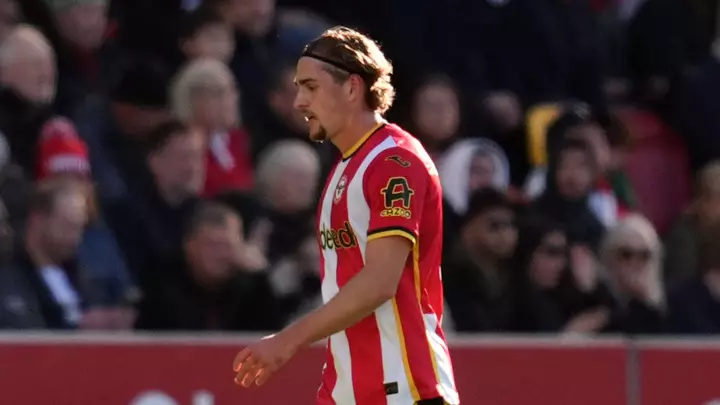
Brentford are ahead of the game. The Premier League club have been wearing a shirt for two seasons since 2021 (with an anomaly year in 2025-26 because of betting sponsoring coming to an end). Other suggestions from Czutkowna are a trade-in service, where fans would bring an old shirt back to the club in part exchange for a new one, thereby giving clubs control over the next life of old kit, and a rental model.
Extract — continue reading at the source.