Jeff Galloway spent much of his life making distance running feel possible for people who didn’t necessarily see themselves as distance runners. Eight months after his death, New York Road Runners is honoring just how much that changed the sport. Galloway has been named the 2026 recipient of the Abebe Bikila Award, which NYRR presents annually to someone who has made a major contribution to distance running.
He will receive the honor posthumously, during the New York City Marathon Opening Ceremony on October 30, shortly before this year’s NYRR Hall of Fame class is inducted. The award carries some serious marathon history of its own. Abebe Bikila won Olympic gold for Ethiopia in Rome in 1960, famously racing barefoot, before defending his title four years later in Tokyo.
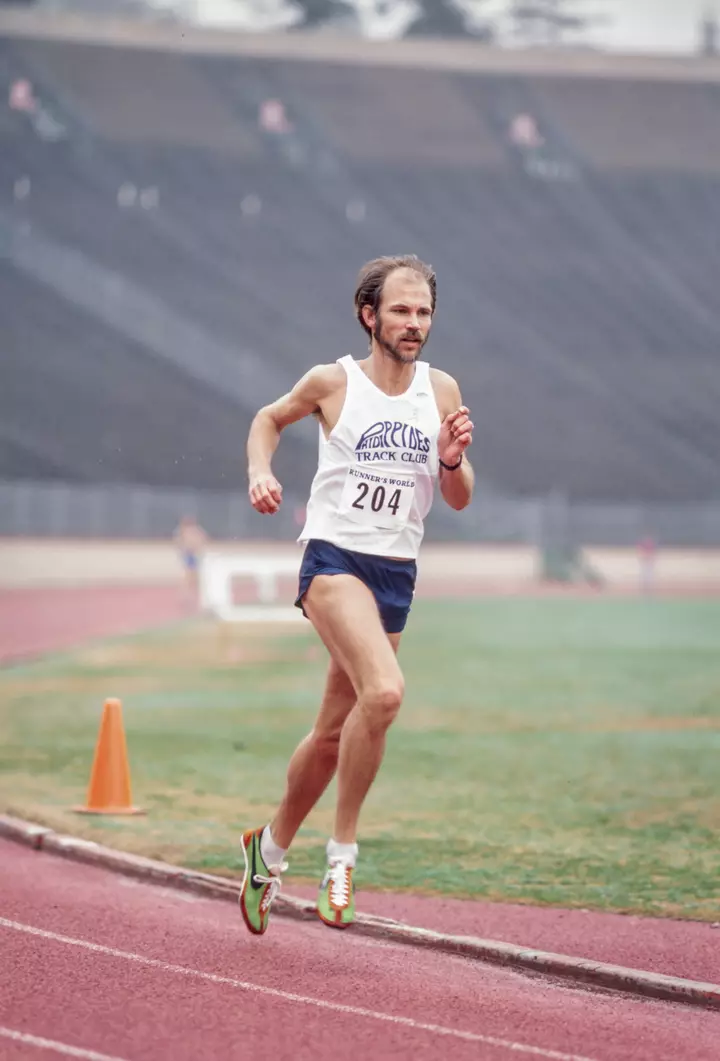
That second victory made him the first athlete ever to win two Olympic marathons. Galloway’s own résumé could have kept the conversation focused on fast times. He represented the United States in the 10,000 meters at the 1972 Olympics, placed fifth at the Boston Marathon the following year, and eventually ran 2:18:29 for the marathon.
He also helped create Atlanta’s Peachtree Road Race and won its inaugural edition in 1970. One of the more memorable stories from his elite career had less to do with a result than what he gave up. Already bound for the 1972 Olympics in the 10,000 meters, Galloway raced the marathon trial a week later alongside friend and training partner Jack Bacheler.
The two reached the finish fighting for the last spot on the U.S. Olympic marathon team, and Galloway stepped aside so Bacheler could have it. The interesting contradiction of Galloway’s career is that a guy who once trained as much as 140 miles per week ultimately became famous for telling runners they didn’t have to run every single step.
His run/walk method built planned walking breaks into running and racing, opening longer distances to people who might otherwise never have considered them. And he kept finding new audiences for that message for more than 50 years, whether he was coaching runners, writing books, building training programs, or eventually bringing his advice onto podcasts and social media. He continued sharing that approach with runners for decades, right up until his death in February, at age 80, following complications from a stroke and brain bleeding.
Extract — continue reading at the source.