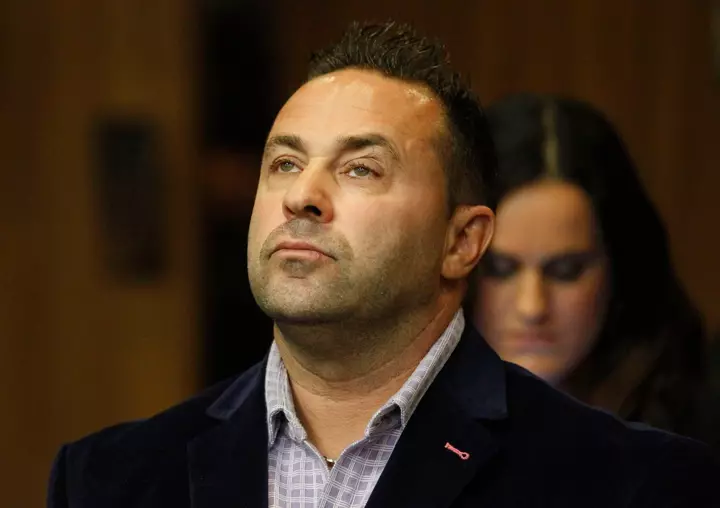
A potential pardon for Joe Giudice could create an awkward political contrast for President Donald Trump as the administration continues to emphasize the removal of noncitizens who commit crimes. Giudice the former Real Housewives of New Jersey star and ex-husband of Teresa Giudice, was deported to his native Italy after serving 41 months in federal prison on fraud-related offenses. He had lived in the United States for decades but never became a U.S. citizen.
His family is now pushing Trump for a pardon in hopes that it could help Giudice return to the United States. Teresa Giudice and their daughter, Gia Giudice, visited the White House on Monday, although Lynne Patton, a deputy assistant to the president, stressed that the visit was for Columbus Day and Italian-American heritage and that she does not decide presidential pardons. The case raises two distinct issues: what a presidential pardon could actually accomplish under immigration law and whether granting one to a high-profile noncitizen convicted of federal crimes could clash with the administration's political messaging on immigration and crime.
Immigration attorney Yuliya Pashkova, founder of Lux Law in San Diego, told Newsweek on Tuesday that Giudice's case illustrates how criminal convictions can carry drastically different consequences for lawful permanent residents than for U.S. citizens. Pashkova's practice includes immigration matters such as waivers, naturalization and appeals, and she previously worked in criminal law. It is much broader,” Pashkova said.
She noted that Giudice's underlying crimes were unrelated to immigration. Instead, his immigration status meant that his fraud conviction carried additional consequences. The only reason this happened to him is that in 40 years he never became a citizen, which is a mistake a lot of people make.” Newsweek reached out to United States Citizenship and Immigration Services by email on Tuesday for comment.
Pashkova cautioned that even a full presidential pardon would not necessarily erase every immigration obstacle standing between Giudice and a return to the United States. According to Pashkova, a full and unconditional pardon could address the particular inadmissibility ground resulting from the fraud conviction, but immigration law contains other grounds that would have to be considered separately. The most significant complication, she said, is Giudice 's previous removal from the country.
His deportation history is separate from the underlying conviction and could require him to seek government permission before applying to return. Cadavid, Giudice's immigration attorney, told Newsweek in an emailed statement on Monday. Politically, a pardon could leave Trump open to accusations of making an exception for a famous convicted noncitizen while his administration takes a hard line on immigrants who commit crimes.
Extract — continue reading at the source.