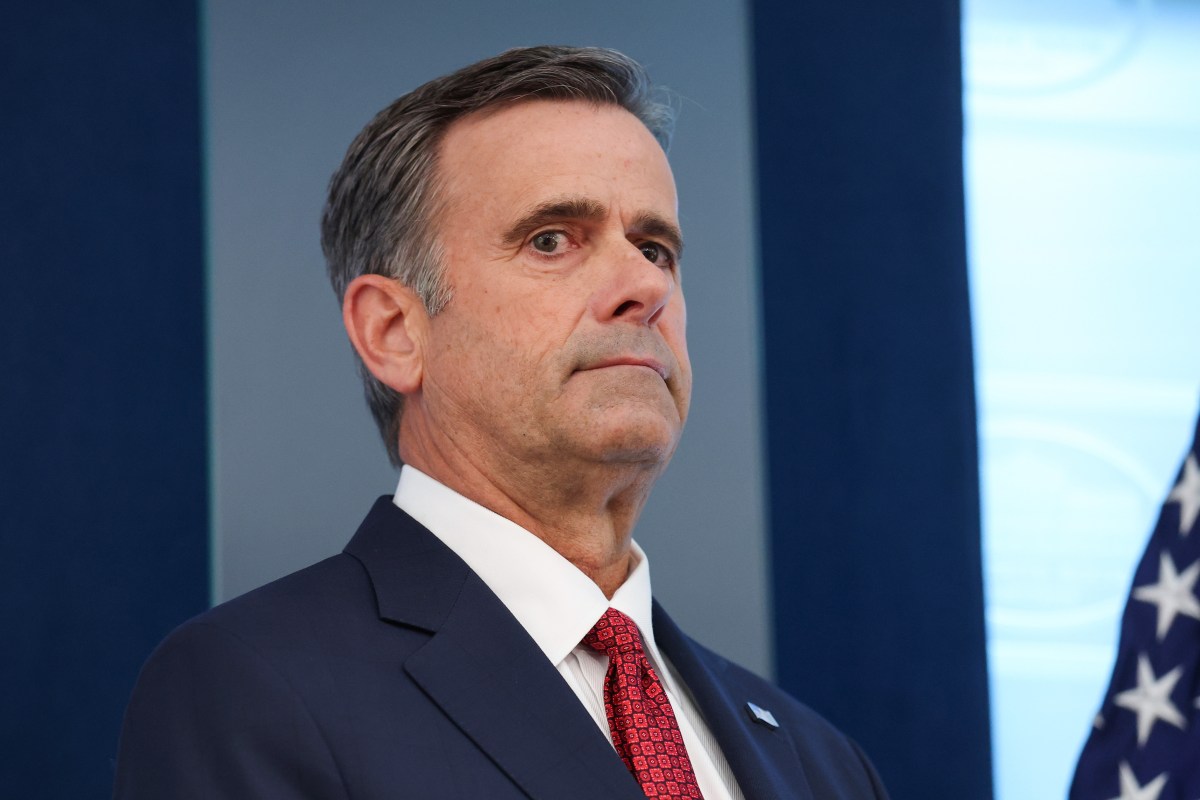
Open-source flight trackers had exposed in real-time CIA Director John Ratcliffe's rare and unannounced trip to Moscow before the public knew who was aboard, sparking a wave of excitement, intrigue—and even fear. The continuing secrecy around his agenda in the Russian capital—there are many urgent items he could have been discussing—has turned his journey into a paradoxical case study in how more information can produce more uncertainty. By Wednesday morning, the Kremlin had confirmed only that Ratcliffe's August 25 visit involved "contacts between security services" and said no meeting with Russian President Vladimir Putin had been planned.
Washington has still not publicly explained whom Ratcliffe met or what they discussed. It’s evidence-rich ambiguity. Modern technology reveals the scintillating outline of a secret diplomatic event while leaving its substance almost completely shrouded.
The result is an information vacuum where speculation can rattle loudly and freely. Everyone can see the clues even if they are too few and the details too vague to write a single story about what they really mean. The sequence began with an abnormal journey for an American aircraft.
Not many military flights travel from NATO territory directly into the heart of Russia. Air Force C-17A, tail number 07-7181, had flown from Joint Base Andrews to Riga in Latvia, on August 23 and sat there for two days. A second aircraft followed; a C-40B flew from Andrews to Riga as RCH790.
Then came the surprising flight that caught everyone’s attention. Flight-tracking data showed the C-17 RCH4555—a military cargo plane—traveling from Riga into Moscow's Vnukovo airport on Tuesday morning. Military-aviation site The War Zone was reporting the unusual C-17 movement while its purpose was still unknown.
Footage circulating online showed the aircraft approaching Vnukovo and, later, what was described as a U.S. diplomatic motorcade in Moscow. Aviation writer Kai Greet reported that some initial flight-watchers assumed the C-17 was supporting the U.S. Embassy, because the aircraft routinely performs embassy-support missions around the world.
Extract — continue reading at the source.