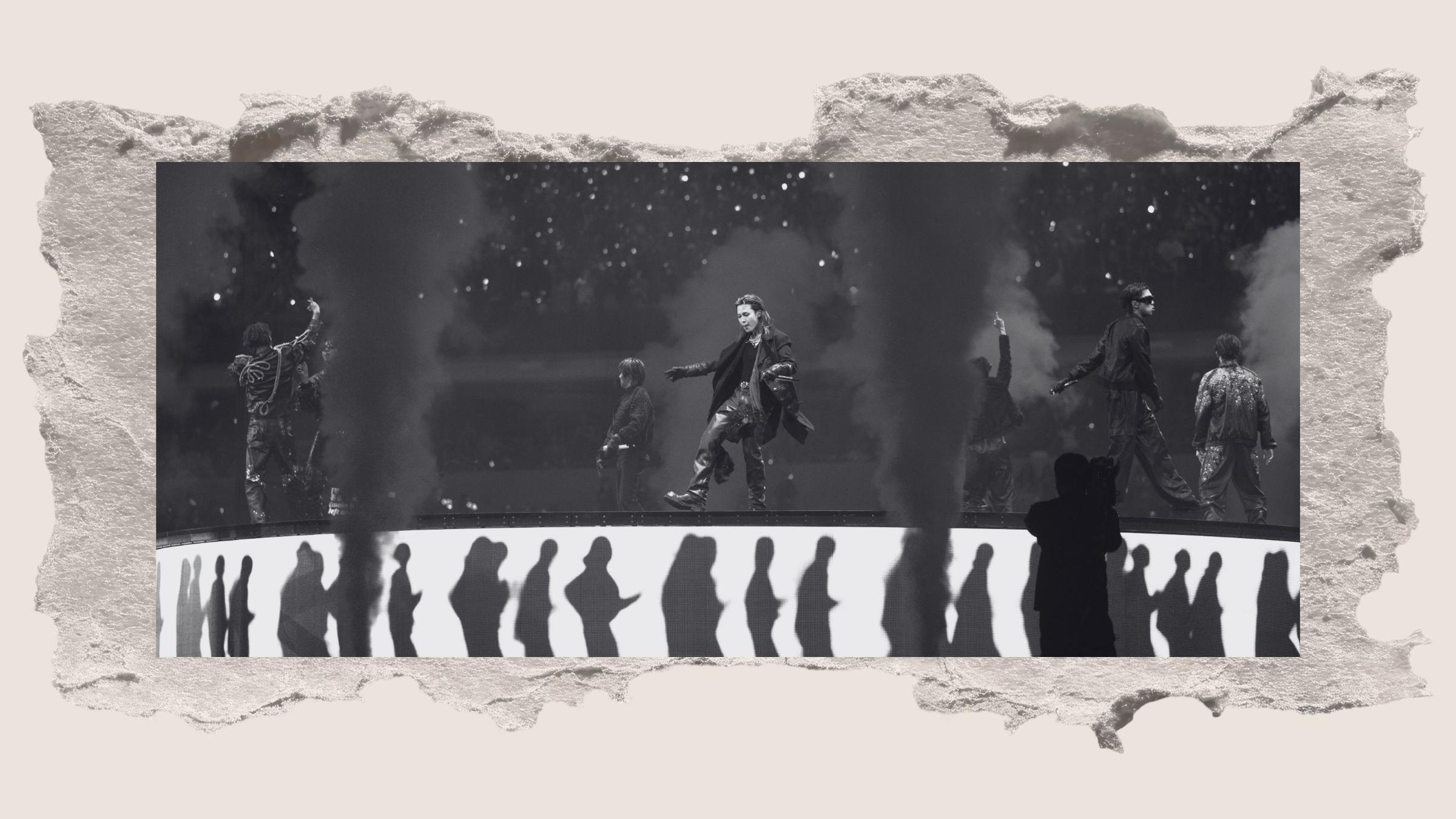
In 2009, I moved to Middletown, Conn. from Seoul, South Korea to study ethnomusicology. At the time, I admittedly did not listen to K-pop, seeing it as largely teen pop, though I would soon realize how limited my view was. Over the next decade, as the genre became increasingly visible in the United States, it reshaped not only how American audiences encountered Korean popular music, but also how I understood its global significance.
That shift is still unfolding, and recent events have raised new questions about how K-pop is categorized and recognized within the American music industry. Those questions came into particularly sharp relief early this summer, when the Recording Academy announced a new category, Best Asian Pop Music Performance, for the 2027 Grammy Awards. In response, the world’s biggest boy band, BTS, announced that they would not submit their music for Grammy consideration.
The decision sparked heated debates among K-pop fans around the world, some of whom feared that the new category would sideline Asian artists by placing them in a separate “Asian Pop” category while reducing their chances of recognition in the Grammys’ prestigious General Fields awards. Recording Academy CEO Harvey Mason Jr. clarified that “The Asian Pop category was created to celebrate the depth, diversity, and extraordinary growth of pop artistry coming out of Asia,” and that submitting music in a genre category would not exclude an artist from also submitting and being considered for Record of the Year, Album of the Year, and Song of the Year. This controversy raises important questions.
Is a category like “Best Asian Pop Music Performance” necessary? Does it risk creating a new form of segregation? Or can it provide greater visibility for Asian artists in American mainstream media?
The first music cassette tape that I bought as a Korean kid living in Seoul in the 1990s was Mariah Carey’s compilation album, #1’s. Well into the 2000s, listening to Western pop was considered “cool” in South Korea. Koreans certainly listened to gayo, or Korean popular music, although Western pop often carried a different kind of cultural prestige.
Western pop was typically described as more “intellectual,” “authentic,” and “meaningful.” Radio DJs and music critics did not hesitate to encourage young Koreans to listen to more Western pop rather than gayo. The cultural hierarchy between Western and Korean popular music was shaped by South Korea’s postwar political and military relationship with the United States. South Korea’s commercial recording industry began to take shape in the early 20th century through the activities of Japanese and American record companies.
Extract — continue reading at the source.