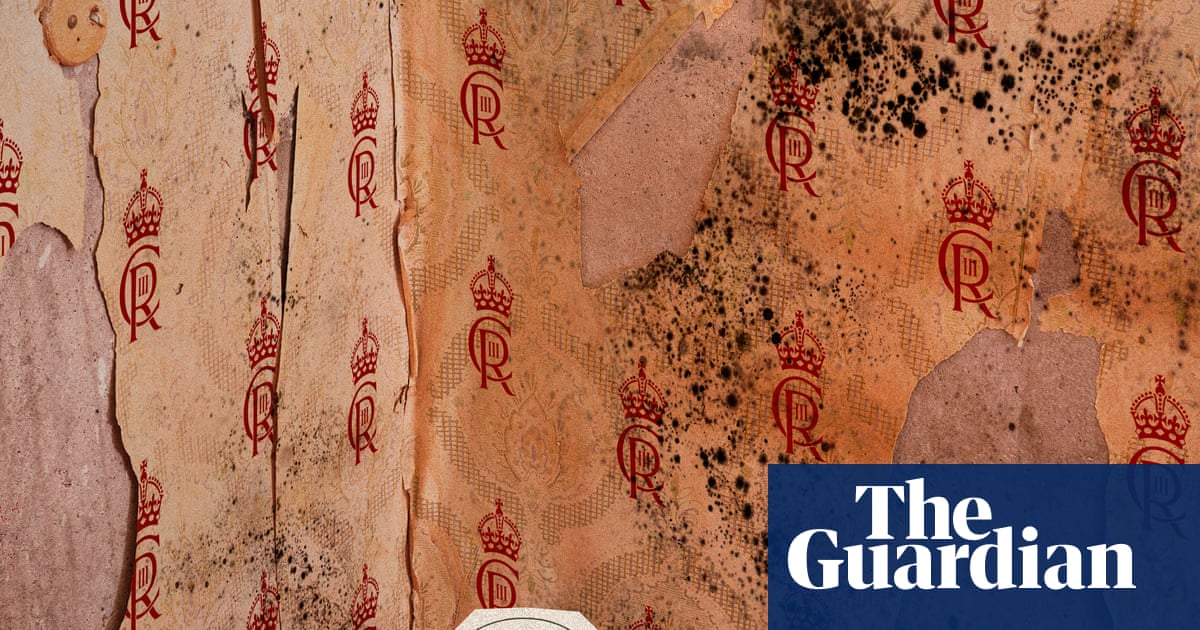
King Charles and Prince William could be forced to spend up to £10m upgrading hundreds of rental properties on their private estates to meet planned energy-efficiency rules. The government has announced that landlords will need to ensure their properties have energy performance certificate (EPC) ratings of C or higher by 2030 – up from the current requirement of an E. EPCs are documents that provide an energy-efficiency score for properties, in relation to their running costs.
Introduced in 2007 amid growing concern about carbon emissions, they help to estimate energy bills and environmental impact. The most energy-efficient properties are awarded an A rating, and the worst are given a G rating. A Guardian investigation has found that almost nine in 10 domestic properties on the duchies of Cornwall and Lancaster and the Sandringham estate have had EPC ratings of D or lower.
Both Charles and William have been praised for their environmental advocacy. They are likely to be criticised if the estates fail to meet the new government standards as fears about soaring energy costs and the climate crisis intensify. They face spending up to £10,000 to upgrade each property, and could be fined £30,000 for every home they continue to rent without carrying out the necessary work.
A government spokesperson said: “Everyone deserves to live in a warm, comfortable home. Our plans for private rental homes to be EPC C by 2030 could lift up to half a million households out of fuel poverty by 2030, cutting bills to give families across the country the breathing space they need.” Nationally, just over half of all rental properties currently have an EPC rating below C, but the Guardian has found that properties on the three large royal estates are more poorly insulated and expensive to heat than average. The king inherited the Sandringham estate and the Duchy of Lancaster from his mother, Queen Elizabeth II, after her death in 2022.
He did not pay inheritance tax on either estate because assets passed between monarchs are exempt. The Duchy of Lancaster was established in 1265 to provide a private income for the sovereign and its profits soared during the late queen’s reign. It spans about 18,000 hectares (44,000 acres), stretching from the north-west of England to parts of London.
The income generated by Sandringham, bought by Queen Victoria in 1862 and set over 8,000 hectares (19,000 acres) in rural Norfolk, has not been disclosed. When Charles became king after his mother’s death, he passed the Duchy of Cornwall to William. Founded in 1337 to generate money for male heirs to the throne, it too became significantly more profitable in recent decades.
Extract — continue reading at the source.