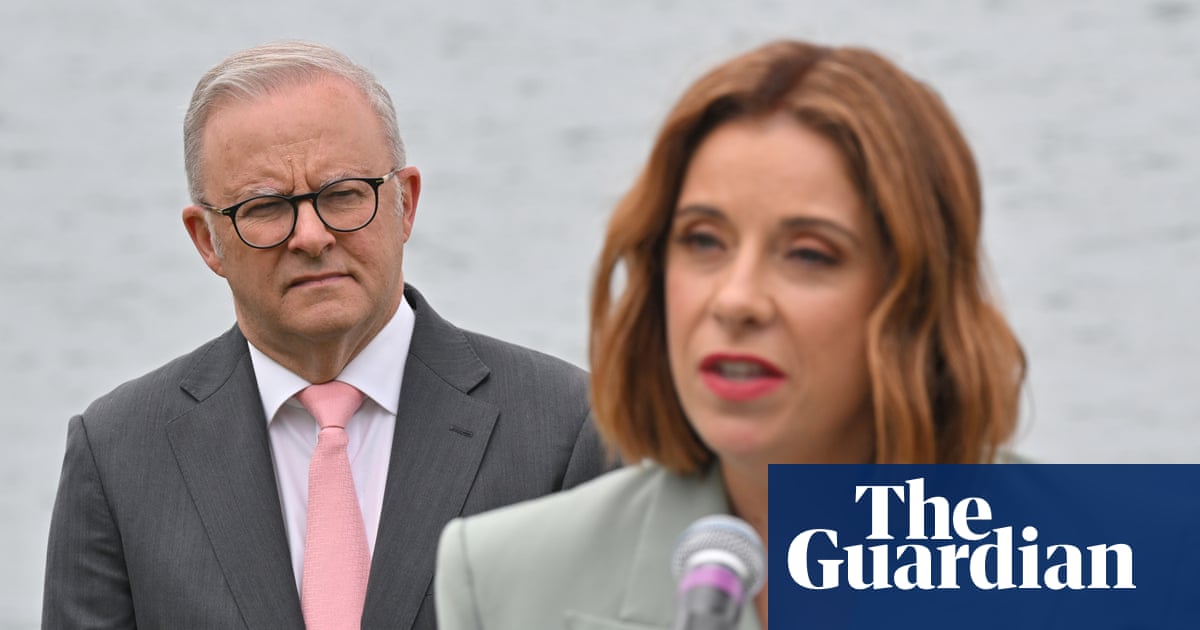
The Labor government has pledged a new single-service opt-out register for gambling ads – an idea similar to the Do Not Call register for spam calls – as part of amendments to its wagering ad bill, as well as restrictions on inducements and limiting commissions for agents. The communications minister, Anika Wells, has also confirmed gambling companies will face a new levy to pay for the register, a beefed-up measure to curb wagering ads, after concerns were raised through a Senate inquiry that people would struggle to find or complete individual opt-out options on each online service. The measure falls short of calls from some, including Labor and Liberal MPs, for an “opt-in” model for gambling ads, or for a complete ban on online advertising.
The Albanese government’s gambling reforms are expected to proceed quickly through parliament this week, with Labor sources saying they hoped the changes contained in two separate bills would pass both houses before the end of Thursday. A Senate inquiry into the government’s bill will be tabled on Monday afternoon. Despite Labor’s hopes of passing its gambling legislation this week, the Coalition has not yet publicly committed to supporting the package.
While a further raft of amendments to the bill are likely to outlined tomorrow, Wells on Monday introduced a third bill setting out some changes the government proposes to make to its own legislation. The bill’s explanatory memorandum says the government’s plans include “restricting the use of inducements by licensed interactive wagering service providers”, as well as plans to prohibit “inducement-based direct marketing and social media advertising to certain customers, restricts attempts to obtain consent to receive such marketing, prohibits certain commission-based referral arrangements”. We are particularly concerned by evidence about wagering inducements and the role these practices can play in encouraging gambling and exacerbating gambling-related harm,” Wells told parliament in introducing the new bill.
A major change contained in the third bill is a new “Wagering Advertising Opt-out Register”. While neither Wells’ speech nor the explanatory memorandum explains exactly how this would work, the explanation says it would be “a single mechanism through which individuals may opt out of receiving wagering advertising from online content service providers”. Labor’s initial bill had stopped short of enacting a full ban on wagering ads online, as recommended by Peta Murphy’s landmark 2023 parliamentary report, in favour of establishing a “triple lock” system for ads to be shown online; that online ads could only be shown to users who are logged-in and aged over 18, and provided with an opt-out feature.
But gambling harm advocates and critics of Labor’s bill had criticised this system, saying existing opt-out features on streaming services or social media platforms were often hard to find online, and that only a tiny percentage of users had made use of those features. The government’s new proposal for a single opt-out register is a compromise to provide an easier avenue for opting out of ads, without enacting a full ban or switching to an opt-in. Wells told parliament that the register would “provide Australians with a ‘one-stop shop’ to opt out of seeing wagering advertising on online platforms”, and be administered and established by the Australian Communications and Media Authority.
Guardian Australia is seeking information about how the register would operate. It is appropriate that the wagering industry, rather than taxpayers, bears the costs of regulating these activities,” Wells said.
Extract — continue reading at the source.