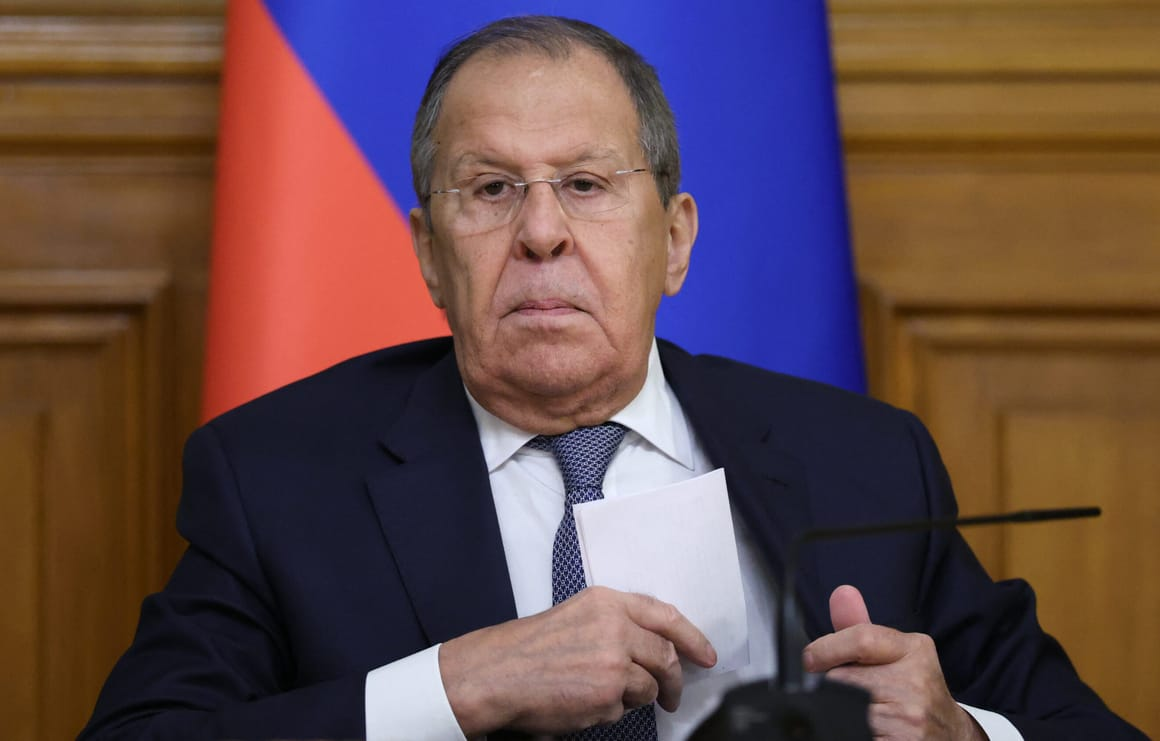
Russia has stepped up pressure on Armenia over its growing ties with the European Union, with Foreign Minister Sergey Lavrov arguing that Yerevan cannot indefinitely avoid choosing between the EU and the Russia-led Eurasian Economic Union. Lavrov said the issue had become urgent after Armenia adopted legislation to begin the process of joining the European Union. Moscow, he argued, needs to know where Armenia ultimately intends to stand because the rules governing the two blocs are incompatible.
The Russian foreign minister pointed to calls from the Eurasian Economic Union for Armenia to hold a referendum on whether it wants to remain in the Russian-led bloc or move towards the European Union. He stressed that Moscow was not questioning the Armenian people's right to decide, but wanted that choice to be made clear. The remarks add another layer to an increasingly strained relationship between Moscow and Yerevan.
Armenian Prime Minister Nikol Pashinyan has repeatedly rejected calls for an immediate referendum. His position is that Armenia will make the choice when the two integration tracks become incompatible, rather than holding a vote before the country's potential EU accession has taken a concrete form. That argument has done little to ease tensions with Moscow.
Russia sees Armenia's continued membership of the EAEU alongside an increasingly formal EU accession process as an emerging contradiction. Pashinyan's government, however, has insisted that Armenia is not currently leaving the EAEU and that any eventual decision will be made by Armenian citizens. The dispute is therefore no longer simply about Armenia's relationship with Brussels.
It is becoming a direct test of how far Yerevan can move towards the EU while retaining its place in Russia's economic orbit. Lavrov's intervention comes against the backdrop of a broader deterioration in Russia-Armenia relations. Moscow has repeatedly warned that closer Armenian integration with European institutions could undermine existing ties with Russia and the wider Eurasian integration system.
Earlier in May, Lavrov also criticised Pashinyan's absence from an upcoming EAEU summit, describing it as regrettable and arguing that the meeting would have provided an opportunity to address growing disagreements. For Pashinyan, the dilemma is becoming increasingly difficult to manage. His government wants to deepen relations with the EU while avoiding an immediate rupture with Moscow.
Extract — continue reading at the source.