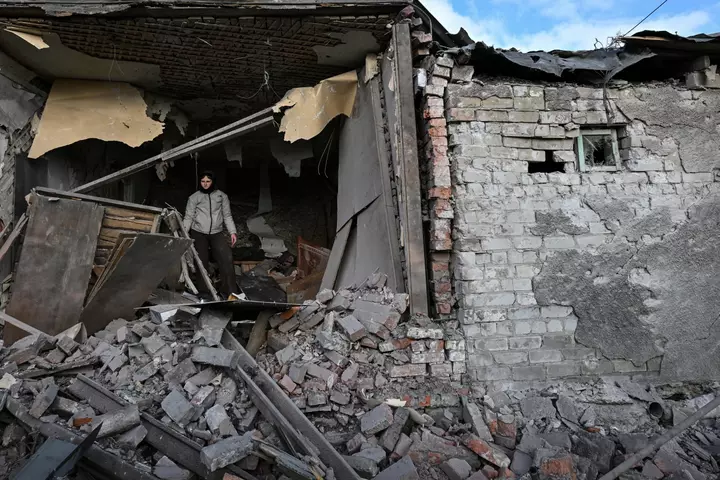
Beirut, Lebanon – During Israel’s intensification of its war on Lebanon in March, Aya stayed at her home in Abbasiyeh, in southern Lebanon, despite the risks. At one point, she says, her neighbour’s house was targeted by an Israeli attack. The attacks have subsided after an ostensible ceasefire was initially announced in April.
But the sounds of war have not ceased. In recent weeks, however, fears have intensified around a potential third Israeli intensification since 2024. Many Lebanese are now living in limbo, especially those in areas that previously witnessed intense Israeli attacks.
Aya said her family has prepared extra medication for her grandparents, in case a new round of conflict makes it difficult to obtain. Others are preparing bags and extra food, and keeping their electronic devices charged should the attacks start again. She also said she would leave her home if Israeli attacks intensified again, rather than stay as she had before.
Instead, she has been thinking about leaving Lebanon. Since then, Israel has killed around 9,000 people in Lebanon, according to the Lebanese health ministry, mostly during escalations in the autumn of 2024 and in March and April 2026. Israel invaded Lebanon during each offensive and has since occupied up to 10 kilometres of territory, where it has established a so-called “Yellow Line”.
Below that line, Israel continues to destroy towns and villages, while it has already made border areas uninhabitable, possibly for years to come. A ceasefire was announced in April, just over a week after Israel launched more than 100 attacks on Lebanon in less than 10 minutes, killing more than 350 people. Then in June, Beirut and Tel Aviv signed a US-brokered framework agreement to set up “pilot zones”, as part of which the Israeli military would withdraw from those areas and the Lebanese army would move in to disarm Hezbollah.
Following the ceasefire and framework agreement, active fighting between Hezbollah and Israel has eased, despite Israel’s ongoing attacks and destruction of homes and infrastructure in the far south of Lebanon. Those who live above the Yellow Line are mostly out of the line of fire but hear constant explosions and drones, and at times have struggled to access their land. In recent weeks, US President Donald Trump has reportedly considered launching another round of attacks on Iran, in coordination with Israel.
Extract — continue reading at the source.