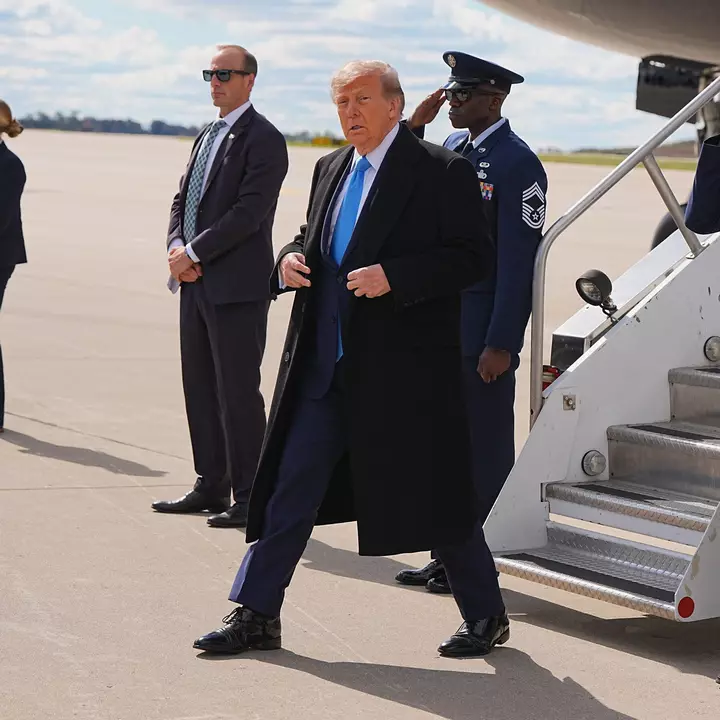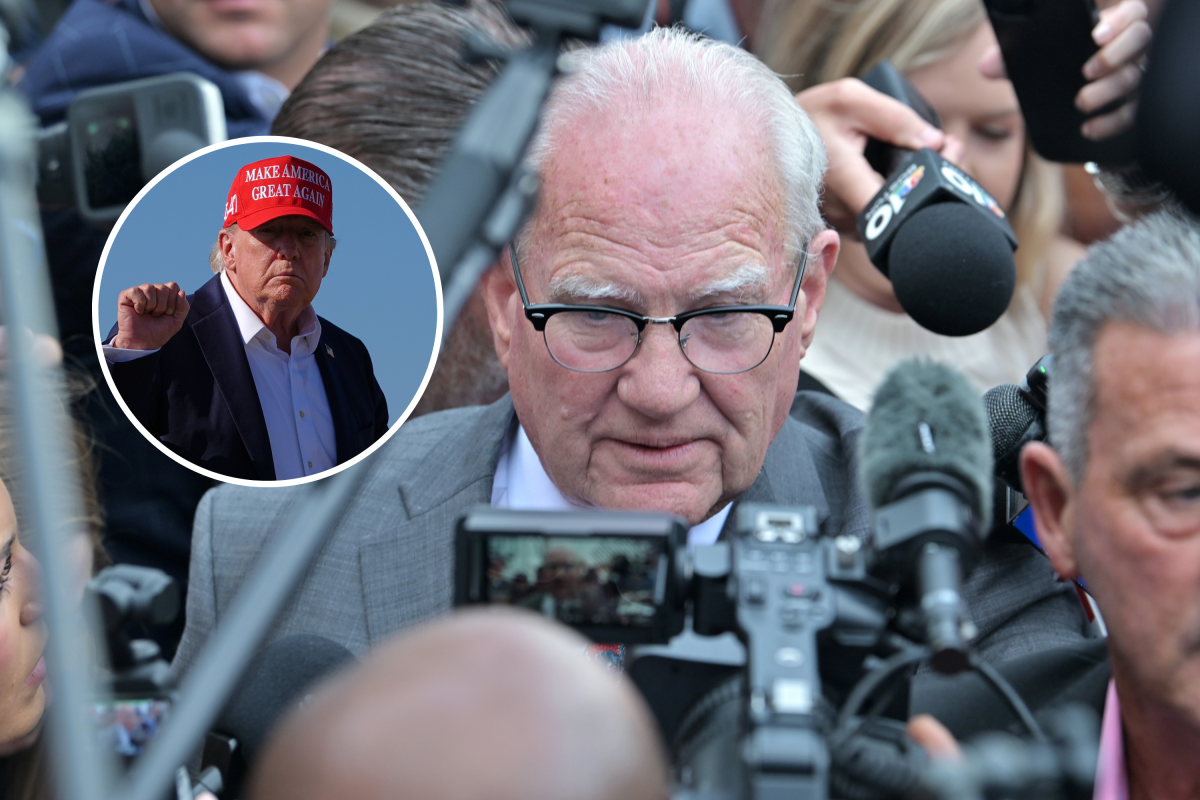
Lindsay Clancy's attorney has asked President Donald Trump to pardon his client, days after her murder trial ended in a mistrial. The request came Tuesday during an interview with ABC's Good Morning America, when defense attorney Kevin Reddington appealed directly to the president to consider Clancy's case. President, I would hope that you would consider this young lady, the type of person she is, what she's been through, and consider a pardon," Reddington said.
Clancy has been charged in Massachusetts with the deaths of her three children: Cora, 5, Dawson, 3, and Callan, 8 months old. The children were killed at the family's home in Duxbury in January 2023. The case has drawn national attention, in part because of the defense's argument that Clancy was experiencing postpartum psychosis at the time of the killings.
Trump cannot pardon Clancy because she faces state charges in Massachusetts, not federal charges. The president's pardon power only applies to federal offenses and does not extend to crimes prosecuted under state law. If Clancy received an executive pardon for the charges against her, that authority would rest with the governor of Massachusetts, subject to the state's clemency process and the advice and consent of the Governor's Council.
Although Trump cannot pardon Clancy, Reddington's public appeal could bring renewed attention to the case and pressure Massachusetts prosecutors to consider an alternative to another trial after the jury failed to reach a unanimous verdict. Reddington has said previously he hopes to reach an agreement with Plymouth County District Attorney Timothy Cruz rather than go through another trial. Reddington is a veteran Massachusetts criminal defense attorney who has represented Clancy throughout her high-profile case.
His defense centered on postpartum psychosis. Reddington argued that Clancy was experiencing hallucinations and was not criminally responsible for killing her children. Prosecutors presented a different account, arguing that Clancy understood her actions and had planned the killings.
Following the jury's deadlock, he said he had "crushed the prosecution in court." He later characterized the comment as bravado after a lengthy and emotionally charged trial, while maintaining that he believed the defense had presented a strong case. He also criticized the lone juror who prevented the jury from reaching a unanimous verdict, saying he believed the juror was not following the law. At the same time, Reddington acknowledged the juror's right to hold that position.
Extract — continue reading at the source.