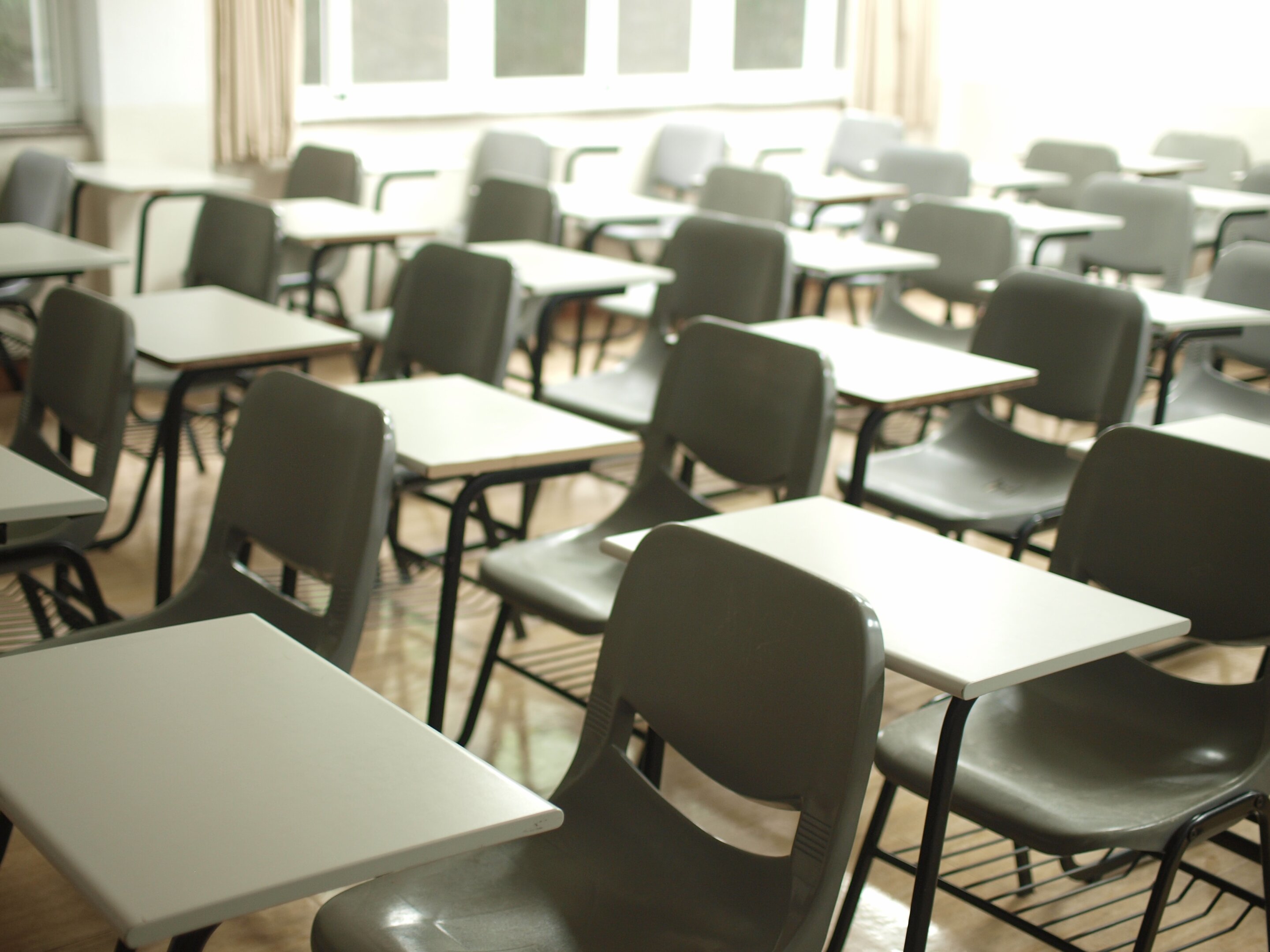
This article has been reviewed according to Science X's editorial process and policies. Editors have highlighted the following attributes while ensuring the content's credibility: School shooting preparedness drills have been a routine, though uncomfortable, part of the back-to-school experience. Since the 1999 mass shooting at Columbine High School in Jefferson County, Colorado, various kinds of preparedness drills have been mandatory in most schools.
As schools schedule and conduct these preparedness exercises, parents are likely to hear grim terms like "active shooter drill" and "lockdown drill." For most schools, these drills are not optional. As of 2025, 37 out of 50 states require schools to conduct active shooter or lockdown drills at least once a year. Some states, like New York, require schools to conduct lockdown drills at various points throughout the year.
Texas, meanwhile, requires lockdowns and shelter-in-place drills, but it also permits active shooter threat exercises, including shooter simulations. The nationwide controversy over school shooter preparedness drills tends to conflate hyperrealistic simulations—with fake blood and bullets—with lockdown procedures, which might involve turning off the lights and having children remain quiet. While research is mixed on the effectiveness of both kinds of school shooter preparedness exercises, the two practices look and feel very different.
A lockdown drill typically involves three simple elements: locks, lights and moving out of sight. Teachers and students learn to lock their classroom doors, shut off the lights and move to a safe area without sight lines until they receive an all-clear notification from a school official or police. Carrying out this routine can build familiarity and muscle memory that encourage a rapid and calm response in the event of an actual emergency.
Lockdowns may be initiated for any number of reasons, not necessarily related to an active shooter. A student once told me that the single lockdown she experienced in elementary school was in response to a squirrel that had invaded the building. Other schools have been forced to implement lockdowns for graver threats: parent disputes that become physical, nearby police activity, wildlife or, in the worst-case scenario, an armed assailant.
Discover the latest in science, tech, and space with over 100,000 subscribers who rely on Phys.org for daily insights. d research that matter—daily or weekly. Active shooter simulation drills, meanwhile, are specific to armed assailants. These drills may involve actors posing as shooters, as well as mock gunfire, fake blood and even the use of nonlethal projectiles, such as BB guns or paintball guns.
Extract — continue reading at the source.