The comprehensive elucidation of genomic relevance for mental disorder was, until recently, constrained by the limitations of microarrays or short-read sequencing (SRS). Long-read sequencing (LRS) provides access to complex classes of genetic variation and genomic architecture that are largely obscured in SRS approaches, making it a powerful tool for uncovering missing heritability and mechanistic insights in mental disorders. We synthesize current evidence on the application of LRS technologies across genomic, transcriptomic, and methylomic studies of mental disorders.
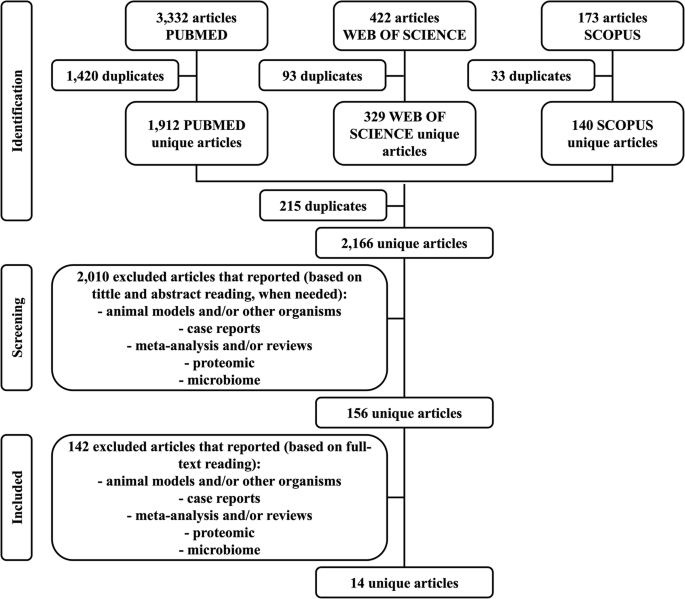
The systematic review was conducted in accordance with PRISMA guidelines. The literature search yielded 2,166 articles, and 14 were included in the review after applying inclusion and exclusion criteria. From a genomic perspective, LRS consistently outperformed SRS, increasing structural variant (SV) and de novo mutation (DNM) detection, particularly resolving medium-sized SVs and large inversions in repetitive regions.
Transcriptomic studies established LRS as essential for achieving full-length transcript resolution, uncovering substantial novel isoform diversity and widespread alternative splicing events in the human neocortex. Crucially, LRS demonstrated that psychiatric risk is often conferred by dysregulated alternative splicing leading to isoform-specific imbalances, rather than altered total gene expression. At the epigenomic level, LRS enabled the haplotype-specific mapping of Allele-Specific Methylation within genome-wide significant loci, linking genetic risk to epigenetic dysregulation.
Overall, LRS represents a significant technological advancement, providing the high-resolution molecular detail necessary to begin characterizing the complex relationships between genetic variation, splicing dynamics, and epigenetic modifications, thereby helping to contextualize psychiatric risk associations for future translational research. Mental disorders constitute a major global health burden, with heritability estimates for severe conditions like schizophrenia (SCZ) and autism spectrum disorder (ASD) reaching approximately 80% [1]. Genomic advances, including genotyping arrays, exome and whole-genome sequencing (WGS), have expanded the knowledge of common, rare, and noncoding variants, as well as structural alterations on the etiology of mental disorders [2, 3].
In the last decade of psychiatric genetic studies, most risk variants are located in noncoding regions, where they may influence gene regulation. Splicing is a highly orchestrated nuclear process mediated by the spliceosome, a dynamic macromolecular complex of small nuclear ribonucleoproteins (snRNPs) and auxiliary proteins, which catalyzes the excision of non-coding introns and the ligation of coding exons. Through alternative splicing, regulated by the competitive binding of trans-acting splicing factors, such as SR (Serine/Arginine-rich) proteins and hnRNPs (heterogeneous nuclear ribonucleoproteins), to cis-acting regulatory elements on the pre-mRNA, a single gene locus can generate a diverse repertoire of distinct transcript isoforms [4].
This mechanism is exceptionally active in the central nervous system, driving the proteomic diversity required for synaptic plasticity, neurodevelopment, and overall brain function [5]. Consequently, genetically driven or environmental dysregulation of this machinery alters isoform ratios, disrupting neural protein networks and directly contributing to the complex pathophysiology of mental disorders. However, short-read sequencing (SRS) has limited ability to resolve these complex splicing patterns.
Extract — continue reading at the source.


