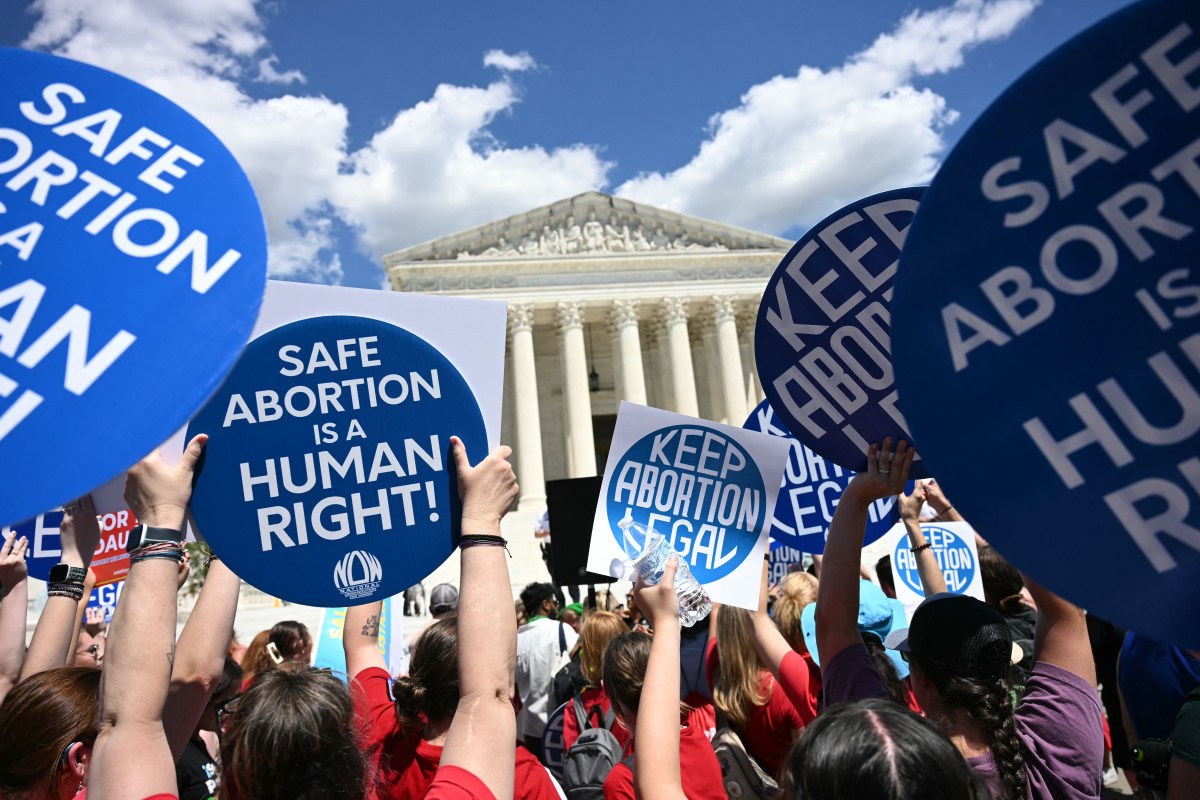
Earlier this month, New Jersey strengthened legal protections for patients seeking abortions in the state and healthcare providers, highlighting the shield laws that some states have enacted in the years since the Supreme Court overturned Roe v. New Jersey Governor Mikie Sherrill signed legislation on August 20 that restricts state agencies from assisting certain out-of-state investigations or legal proceedings connected to reproductive or gender-affirming care, expands confidentiality protections to that care and protects providers’ professional licenses by preventing licensing boards from taking action against a provider for providing that care. The legislation also makes it a crime for anyone to physically block access to health care facilities that offer reproductive or gender-affirming healthcare or injure, threaten or intimidate patients or providers.
"We have seen attacks from the Trump Administration and other states on access to reproductive and gender affirming healthcare, and attempts to impose restrictions across state borders," Sherrill, a Democrat, said in a statement. "Here in New Jersey, we are standing firm in defense of reproductive freedoms—including the right to choose and the right to receive gender-affirming care. No one should fear intimidation or violence for seeking healthcare, and no healthcare professional should fear punishment from another state for providing care that is legal in New Jersey." The legislation has drawn backlash from anti-abortion organizations.
Marie Tasy, the executive director of New Jersey Right to Life, said the legislation "protects the people who end the lives of living human children already growing in the womb. New Jersey should be a sanctuary for mothers and babies, not a legal fortress for those who profit from abortion." It comes as several Democratic-led states have enacted protections, known as "shield laws" to minimize the legal risk to patients, healthcare providers and others who assist those seeking abortions in the years since the Supreme Court overturned Roe v. Wade, the landmark 1973 decision that had guaranteed a constitutional right to abortion, in its 2022 decision in Dobbs v.
Jackson Women’s Health Organization. The ruling opened the door for states to restrict abortion, creating a patchwork of laws that vary widely across the country—with near-total bans in some states to expanded protections in others. Abortions have continued to take place even in the states with the strictest bans, with most in those states provided via telehealth services.
Some states have passed shield laws that extend protections to telehealth providers who ship abortion pills to patients in states with bans, though whether states can shield those providers from liability for breaking another state’s laws around abortion remains an unsettled area of law. Twenty-three states and the District of Columbia have some form of a shield law related to reproductive health care as of July 27, though the strength of the protections vary, according to an analysis by The Guttmacher Institute, a research organization that supports abortion rights. Of those, eight states have laws that explicitly shield care provision regardless of the patient's location, which includes telehealth provision to patients who are in a different state than the provider.
Those states are: California, Colorado, Maine, Massachusetts, New York, Rhode Island, Vermont and Washington. New Jersey is among the 22 states, plus the District of Columbia, that prohibit state entities from providing investigative assistance in out-of-state inquiries. With the new legislation, the state now also joins 12 states and the District of Columbia that allow patients and providers to take legal action against individuals who interfere with their access to or delivery of protected care.
Extract — continue reading at the source.