California has established Native American Day as a paid state holiday, joining a handful of states that recognize the occasion through observances or paid time off. Democratic Governor Gavin Newsom announced on September 25 that he had signed Assembly Bill 1841, which grants state employees a paid holiday for Native American Day. The governor also approved bills formalizing a state apology for historical violence against Native Americans and making the Governor's Office of Tribal Affairs permanent, according to a press release from his office.
Assemblymember James Ramos of San Bernardino, a Democrat who introduced the legislation, emphasized its broader cultural significance, saying that “AB 1841 recognizes the profound role Native communities have played in shaping the state’s culture and identity by setting the foundation for a paid state holiday.” State workers will receive paid time off for Native American Day "contingent upon an appropriation by the legislature," according to Ramos. California Tribal Affairs Secretary Christina Snider-Ashtari highlighted the administration's ongoing engagement with indigenous communities. While state officials and lawmakers lauded the measure, some tribal leaders noted that symbolic gestures fall short of resolving historical grievances.
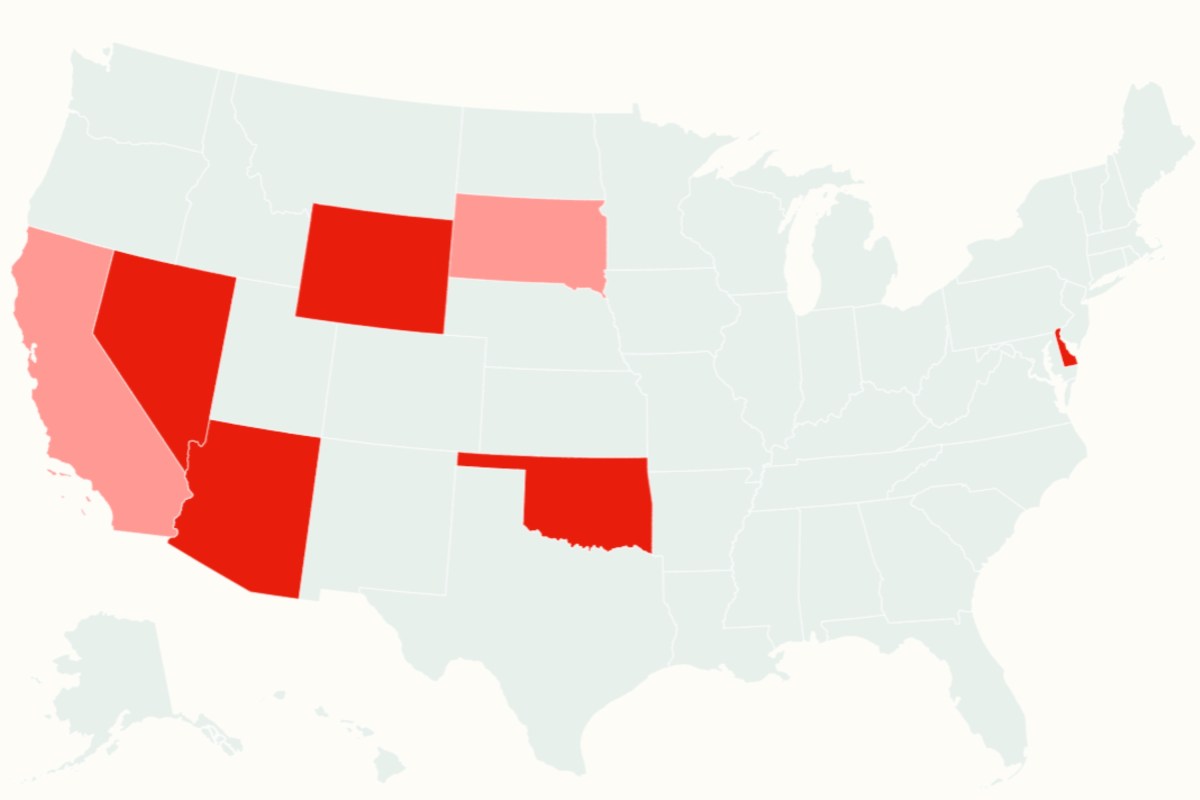
Prior to the bill's enactment, California Valley Miwok Tribe chairwoman Antoinette Del Rio told Native News Online in March that a paid holiday "does not atone for the great injustices of the past and those wrongs that continue into the present." "But it is an acknowledgement of the price that was paid by California tribes, and it honors those who prevailed through courage, resiliency, and a deep love of the lands," Del Rio added. Newsweek reached out to California-based tribal groups for comment via email on Friday. While California will make Native American Day a paid holiday for state employees, several other states, including Arizona, Nevada, Wyoming and Delaware, also observe the occasion, according to Time and Date.
However, it is not designated as a paid holiday by all. Arizona designates June 2 as Native American Day while the occasion is observed on the second Friday in May in Wyoming. California and Nevada observe Native American Day on the fourth Friday in September.
Delaware commemorates Native American Day on the first Saturday in September after Labor Day. Oklahoma, meanwhile, observes Oklahoma Native American Day on the second Monday in October, while South Dakota marks the same date as Native Americans’ Day, which state law designates as a legal holiday. South Dakota notably was the first state to end recognition of Columbus Day in 1990, when it established Native American Day.
It is also among the states with the highest percentage of Native American populations. A number of other states mark similar observances celebrating Native American history and culture under different names. Eleven holidays are officially recognized by the federal government, according to the Department of Commerce.
Extract — continue reading at the source.