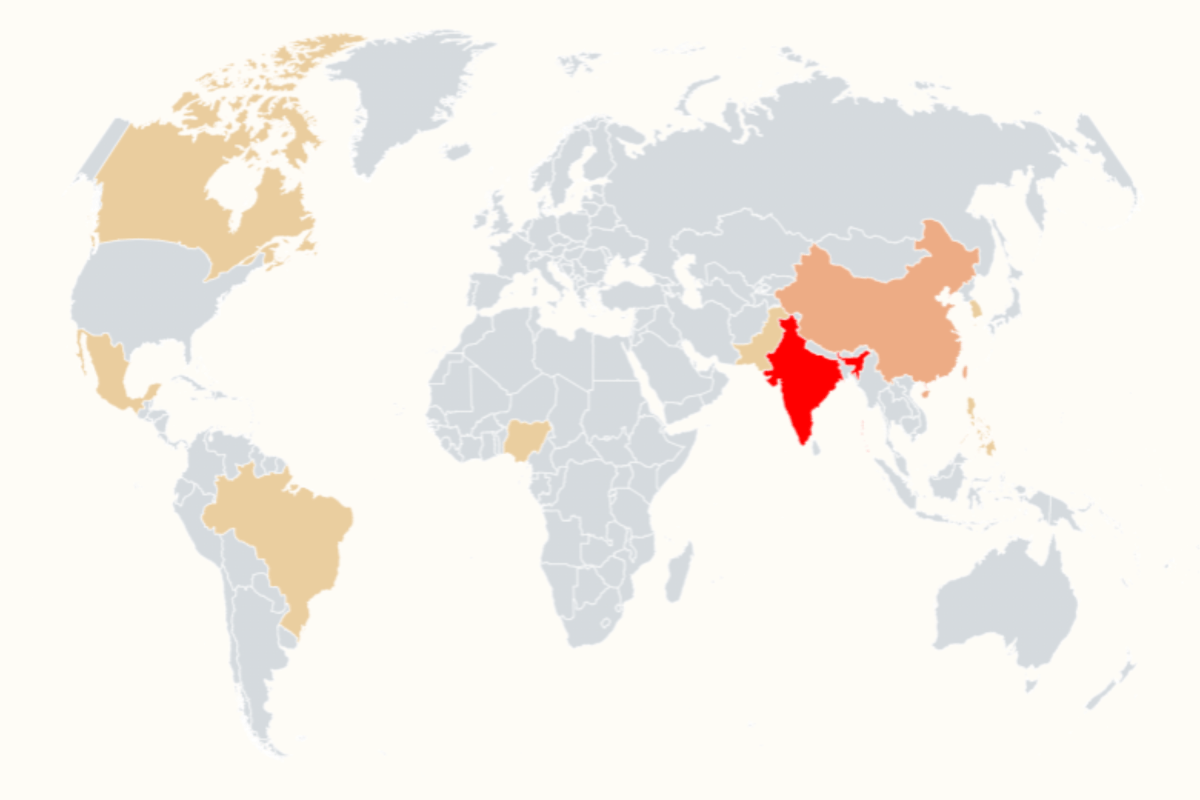
Only nine nations in the world are known to possess their own nuclear weapons programs, three of which—the United States, the United Kingdom and France—are members of the NATO alliance. But five more NATO states host U.S. nuclear weapons on their soil in line with the bloc's nuclear sharing program, an arrangement developed in the 1950s in a bid to counter the Soviet Union's conventional military superiority in Europe in the event that the Cold War erupted into full-scale conflict. Today, these countries include Belgium, Germany, Italy, the Netherlands and Turkey.
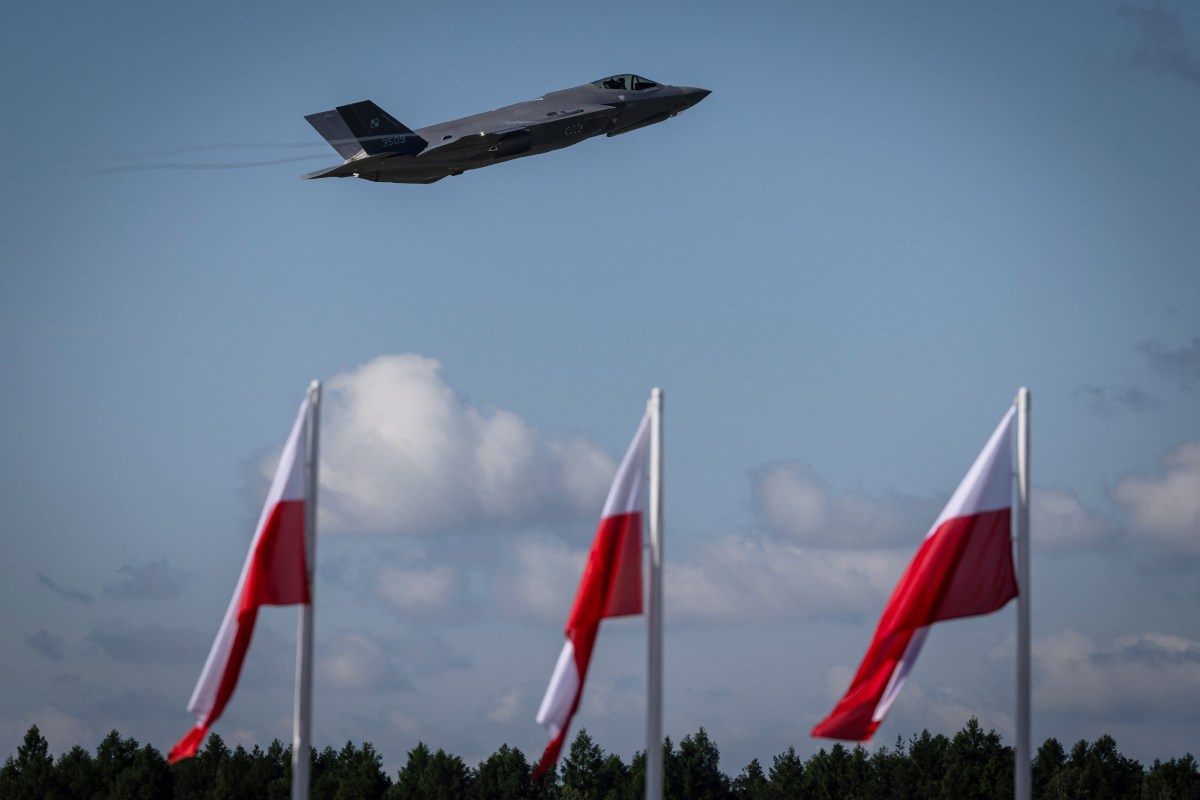
Each maintains a stockpile of B61 gravity bombs that can be fitted to a variety of aircraft deployed among NATO members, including variants of the F-15, F-16 and F-35 fighter aircraft, as well as the European Panavia Tornado. And as European nations once again worry about potential escalation from Moscow as the Russia-Ukraine war enters a dangerous new phase, another NATO member, Poland, has entered into a fierce debate over whether or not to bring U.S. weapons of mass destruction onto its territory. Following a meeting with Elbridge Colby, U.S. under secretary of defense for policy, on Thursday, Polish Deputy Defense Minister Pawel Zalewski was asked by reporters if Warsaw would seek to join the NATO nuclear sharing program.
I would like to say this very clearly and openly: Poland does not want nuclear warheads on its territory." The comments, however, prompted a wave of criticism from figures aligned with President Karol Nawrocki, who leads the right-wing populist Law and Justice opposition party. On Friday, Nawrocki's International Policy Bureau chief, Marcin Przydacz, slammed Zalewski's remarks as "bizarre, absurd and completely inconsistent with what Poland has been saying so far and what the policy of the Polish state is." "Poland also wants to have the presence of warheads on its territory," Przydacz said. "Today, there is no such infrastructure, but if we join the [nuclear-sharing] program, such infrastructure will have to be built." Long overshadowed by traditional European powers such as France, Germany and the U.K., Poland has increasingly emerged as a military leader on the continent since becoming the first country to break with the communist Eastern Bloc in 1989, two years before the fall of the Soviet Union.
Poland now commands the third-largest army in NATO, behind only the U.S. and Turkey. It also devotes the largest share of its GDP to defense among allies, at 4.3 percent. But Warsaw's impressive build-up has not left it immune to the spillover effects of the war in Ukraine, which Poland borders directly, along with Russia's Kaliningrad exclave and Moscow's ally, Belarus.
Drones and missiles have crossed into Polish territory on several occasions since the beginning of the conflict in February 2022, most notably an incident last September in which Russia was blamed for the incursion of 19 drones onto Polish territory. This year may prove even more precarious for Poland as the Kremlin looks to increase the pressure on NATO to counter slowing gains in Ukraine and Kyiv's costly campaign of long-range attacks against Russian gas infrastructure. Reports that Moscow may be planning to escalate in the form of a new mobilization or even operations on NATO soil were further fueled by a surprise visit by the CIA chief to the Russian capital earlier this week.
While Kremlin spokesperson Dmitry Peskov dismissed such speculation on Thursday as having "no basis in reality," officials in Warsaw remain on high alert. Foreign Minister and Deputy Prime Minister Radek Sikorski warned last month that Russia may pursue a "false flag operation" to justify direct action against a NATO member. Some analysts argue the presence of U.S. nuclear weapons on Polish territory may fortify deterrence in light of growing tensions.
Extract — continue reading at the source.