The catastrophic glacier collapse that triggered devastating flooding in Nepal and Tibet this week has highlighted the destructive force of hazards originating high in the world's mountain ranges. While scientists are still determining exactly how the disaster unfolded, the event has renewed attention on the risks posed by glaciers, glacial lakes and rapidly moving masses of ice and rock. Those threats are often associated with the Himalayas and Andes, but researchers say parts of North America face their own glacier-related flood hazards.
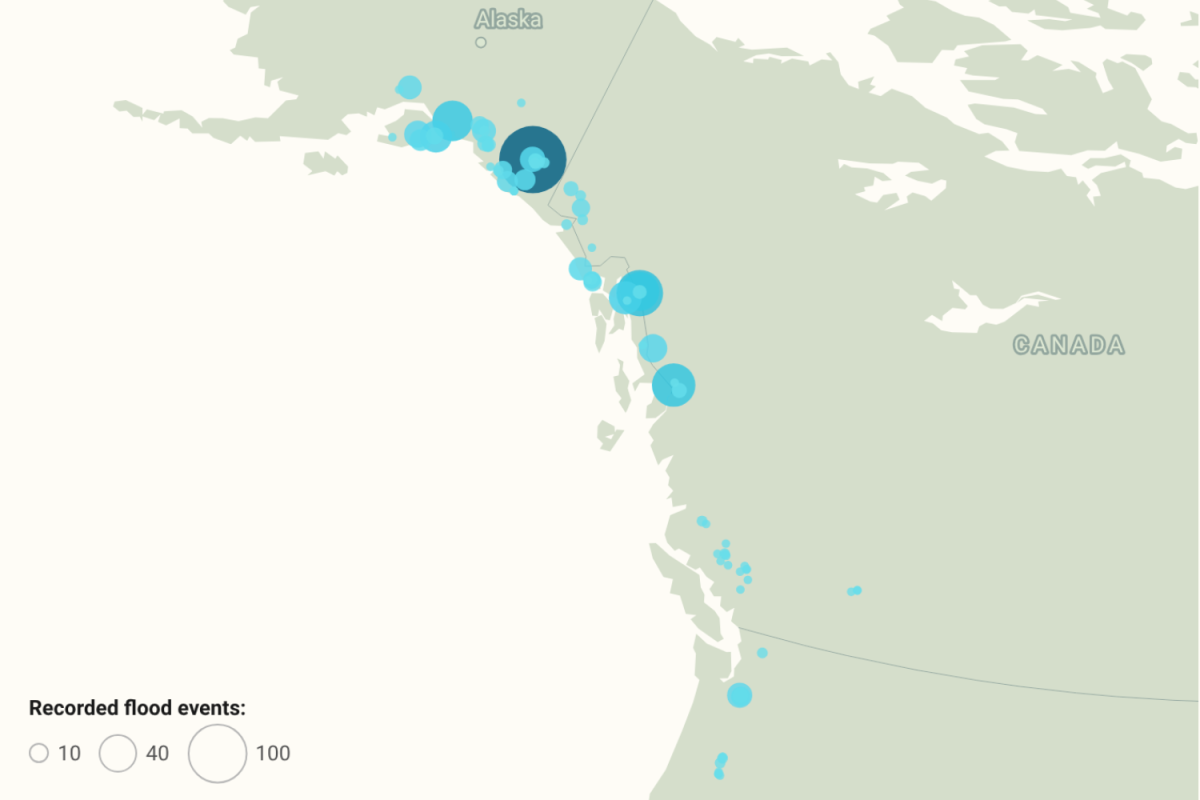
Among them is Juneau, Alaska, where annual floods from Suicide Basin have damaged homes, prompted evacuation planning and turned one glacier-fed lake into one of the continent's most closely watched flood risks. The short answer is yes, though experts say the risks vary greatly from place to place. North America has experienced glacier-related floods for more than a century, particularly in Alaska and western Canada.
Researchers who compiled one of the world's largest databases of glacial lake outburst floods found that northwestern North America accounts for more documented events than any other region in their records. That does not mean a Nepal-scale disaster is imminent in North America. The deadliest glacier-related floods tend to occur where large numbers of people live downstream of unstable lakes or glaciers.
Many North American glacier systems are in remote regions with relatively small populations nearby. But scientists say glacier retreat is changing mountain landscapes, creating and expanding lakes in some areas and forcing authorities to keep a close watch on locations that could threaten downstream communities. A 2023 study published in Nature estimated that around 15 million people worldwide live in areas that could be affected by glacial lake outburst floods, with the greatest concentrations in parts of Asia and South America.
A glacier is a large mass of ice that forms when layers of snow build up over many years and become compressed. Although glaciers can appear still, they slowly move under their own weight. As they advance and retreat, they reshape landscapes, carve valleys and leave behind rock and sediment.
When glaciers shrink, melting water can collect in lakes. Most remain stable, but some can release water suddenly, causing flooding downstream. Those floods are known as glacial lake outburst floods, or GLOFs.
Extract — continue reading at the source.