A Dutch review board concluded that a doctor acted “with due care” when euthanizing a 1-year-old with severe disabilities, sparking international debate over who has the right to make end-of-life decisions for children who cannot speak for themselves. The toddler died in late 2025, and Dutch Health Minister Sophie Hermans disclosed it to parliament in June. This is the first known case reported under rules expanded in 2024 in the Netherlands to include children whose suffering is deemed unbearable and untreatable.
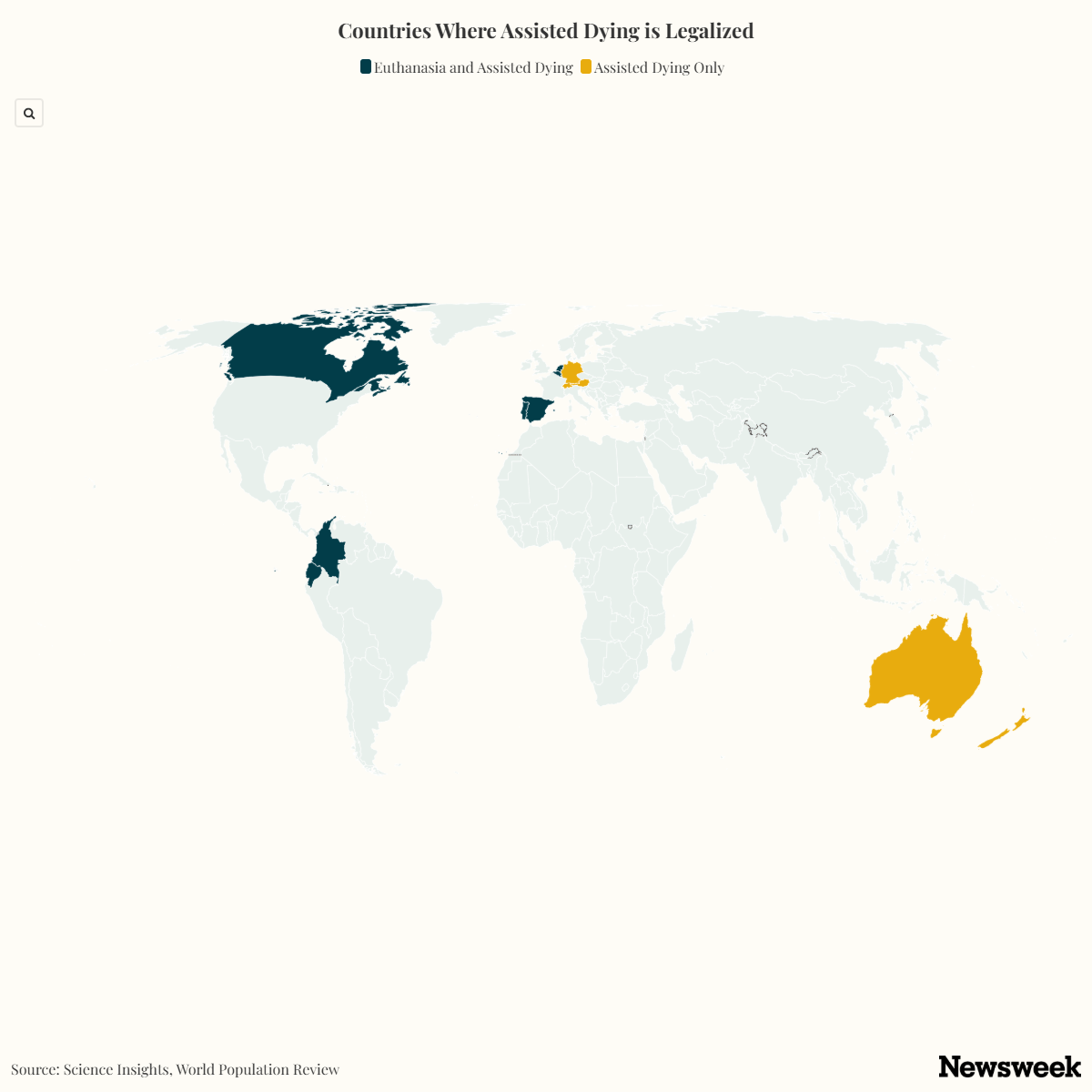
Dutch rules mandate a review of all cases involving abortions after 24 weeks and the termination of life for children up to age 12. A committee with an ethicist, legal expert and medical specialist meets to decide whether the physician acted in accordance with the standard and shares its findings with the doctor and law enforcement. While the Netherlands has among the most expansive assisted-dying laws, several other countries, including Belgium, Spain, Canada, Colombia and Ecuador, permit euthanasia or assisted dying under specific circumstances.
The child’s identity has not been disclosed, but the report detailed a diagnosis of severe epilepsy, brain damage, visual impairment and cerebral palsy. The child was born abroad, severely premature at 26 weeks, 3 days. As more and more became clear on the basis of medical examinations and in view of the child’s visible clinical deterioration, the parents asked the physician to terminate the child’s life.
The physician spoke extensively with the parents about the termination of life, and their position was consistent,” according to a translated report. The physician sedated the child with midazolam and morphine before administering coma-inducing substances, after which the child reached a state of deep sedation and then died, according to the report. The doctor who treated the child told a Dutch media outlet that he hopes the ruling supporting his action opens the option for families in similarly desperate situations, according to a CBS News report.
"As a doctor, you are in an extremely vulnerable position, because this has never happened before," he said. "It still feels as if a sword of Damocles has been hanging over your head for almost a year." He described allowing termination of life in such circumstances as "a kind of emancipation of the child." Other doctors disagreed with the assessment, saying that the child wasn't continuously suffering and that not all medical options had been exhausted, according to the report. One prominent critic of the decision is a former physician who now chairs the Dutch bishops' conference.
"What is truly merciful is providing adequate care, in this case in the form of palliative care. If standard forms of palliative care prove insufficient to reduce suffering to a tolerable level, palliative sedation may offer a solution," Cardinal Wim Eijk told Crux Now. Euthanasia remains illegal in the United States, and physician-assisted dying is limited to certain competent adults in a handful of states.
Extract — continue reading at the source.