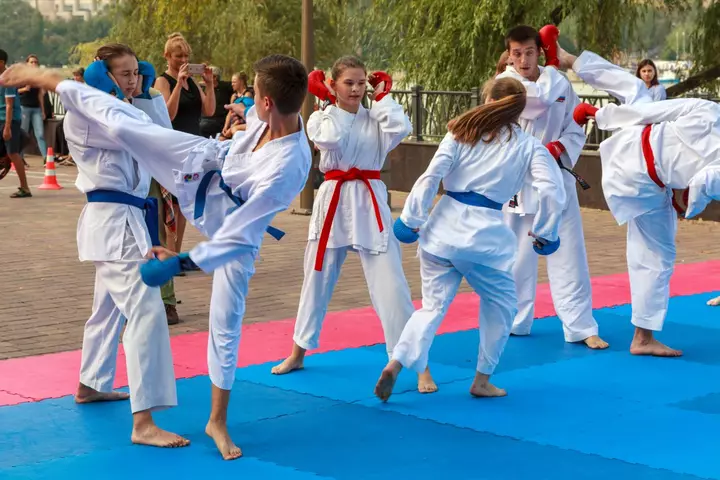
Hybrid learning, wearable technology and digital coaching are changing how athletes develop their skills, and martial arts are part of that shift. A longitudinal study of Italian martial arts schools found that students and instructors associated hybrid formats with greater self-discipline and autonomy. As more schools experiment with online instruction and digital resources, the challenge is not simply making martial arts accessible through new technology.
It is determining how these tools can support learning without losing the physical practice, personal guidance and discipline at the heart of the art. Martial arts have always required more than memorizing techniques. Students must learn to control distance, maintain balance, respond to changing circumstances and make decisions under pressure.
These abilities develop through practice, observation and correction. Digital tools can support that process, but they cannot automatically replace the experience of training with an instructor or partner. I believe the future of martial arts depends on understanding where modern methods can improve training and where traditional practice remains essential.
Digital coaching is one area worth examining. A systematic review of digital coaching systems in sport examines technologies including wearable monitoring, computer vision and immersive coaching. In martial arts, comparable tools can help instructors and students review recorded movements, examine posture and footwork, and identify technical patterns that may be difficult to recognize during a live session.
Slow-motion video, for example, can help a student understand why a technique loses balance or why a transition takes too long. Reviewing a sequence can also encourage practitioners to take greater responsibility for their own progress between classes. However, measurement should not become the objective in itself.
A movement that looks technically correct on video may not work under pressure against an opponent. Timing, adaptability and judgment require practical testing. Technology is most useful when it helps instructors ask better questions, identify areas for improvement and provide more focused feedback.
Extract — continue reading at the source.