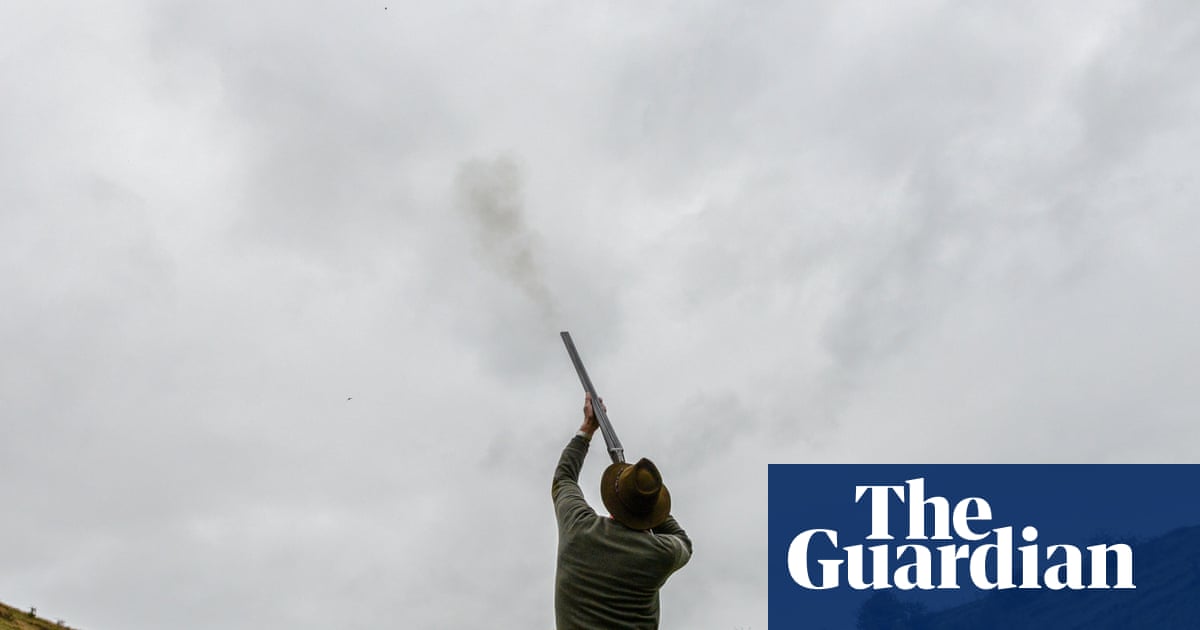
The government is considering a crackdown on pheasant shooting in England as part of a consultation on strict new animal welfare laws that would affect shoot organisers. Ministers are already considering plans for the issuing of licences for those who run game bird shoots. The proposals mean anybody associated with wildlife crime, such as the poisoning or shooting of birds of prey, would be banned from hosting shooting events.
Every year, thousands of people descend on the countryside to shoot pheasants and partridges. Millions of the game birds are released in advance of the shoots. Many are brought over from France as chicks and eggs, and reared by gamekeepers until they are ready to be released for shooting in the autumn.
Grouse are wild rather than reared or farmed animals. While chickens and other farmed birds have to be looked after to minimum animal welfare standards, these do not apply to game birds. Poultry birds, for example, have minimum space standards for their cages and have to be provided with enrichment, such as perches and items to scratch and peck.
Chicken and other poultry farms are subject to regular animal welfare inspections, which are not in place for sites rearing pheasants and partridges. Claire Bass, the director of campaigns at Humane World for Animals UK, said: “The shooting industry breeds millions of birds on an industrial scale, and these animals have fallen through the cracks of animal welfare law. Confined in barren wire cages for most of their lives, birds suffer stress-related injuries and feather loss and are exposed to blazing summer heat and other weather extremes.” The Department for Environment, Food and Rural Affairs (Defra) is consulting on possible changes to this, and is proposing to bring in animal welfare laws to reflect those in place for farmed animals.
The licensing scheme could address the issue of the mass release of pheasants and partridges into the countryside, experts have said, because estates would have to abide by environmental standards. Releasing large volumes of non-native birds means they compete with songbirds for food, and pollute the soil and waterways with their dung. Dr Ruth Tingay, a co-director of Wild Justice, said: “Putting an end to the rearing and annual release in to the countryside of an estimated 60 million non-native game birds for shooting should be the government’s focus.
If they stop that, then the associated welfare issues would also be sorted. Defra needs to stop tinkering around the edges and deal with this head on.” Critics have said this is a continuation of Labour’s fight with the countryside. Rural areas have, according to polling, abandoned the party after its unpopular inheritance tax for farmers and a new tax on tractors, as well as being accused of botching the farming subsidy scheme.
Extract — continue reading at the source.