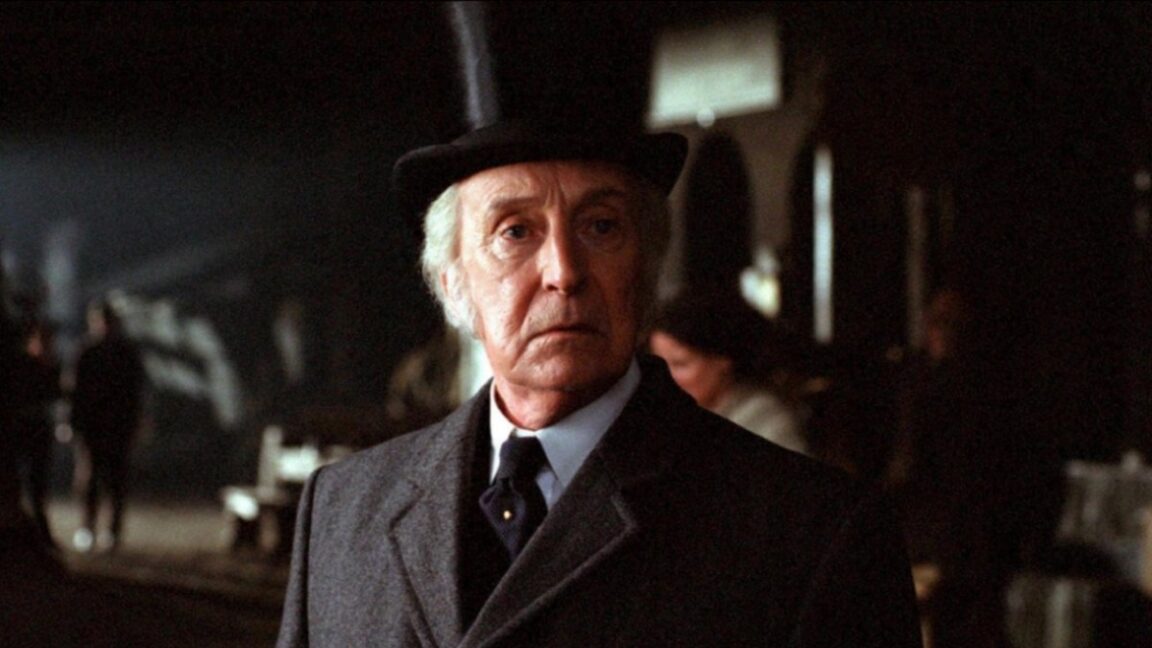
Sir Arthur Conan Doyle created one of the most beloved fictional detectives of all time in Sherlock Holmes, spawning countless novels, films, TV series, and so forth featuring the sleuth. Far fewer people know about the real-life inspiration for Holmes: a renowned surgeon at Scotland’s University of Edinburgh named Joseph Bell, who taught Conan Doyle when the author was still a young medical student. Bell is the subject of a new, eminently readable biography, Sleuth-Hound: The Case of the Real Sherlock Holmes, by medical historian Lindsey Fitzharris.
A noted science communicator with a fondness for the medically macabre, Fitzharris published a biography of Scottish surgical pioneer Joseph Lister, The Butchering Art, in 2017—a great, if occasionally grisly, read. She followed up with 2022’s The Facemaker: A Visionary Surgeon’s Battle to Mend the Disfigured Soldiers of World War I, about a WWI surgeon named Harold Gillies who rebuilt the faces of injured soldiers. In 2020, Fitzharris hosted a documentary for the Smithsonian Channel, The Curious Life and Death Of…, exploring famous deaths, ranging from drug lord Pablo Escobar to magician Harry Houdini.
Fitzharris performed virtual autopsies, experimented with blood samples, interviewed witnesses, and conducted real-time demonstrations in hopes of gleaning fresh insights. And last year she and her husband, caricaturist Adrian Teal, collaborated on an illustrated children’s book, Dead Ends! Flukes, Flops, and Failures that Sparked Medical Marvels.
With Sleuth-Hound, Fitzharris returns to the Edinburgh of The Butchering Art, of body snatchers and surgeons’ discovery of ether, which was also the Edinburgh of Arthur Conan Doyle and Joseph Bell. Bell was notorious for his peculiar method of diagnosis: he was able to infer a patient’s occupation and person habits, as well as any ailments, just by looking at them. For instance, Bell once figured out the route a patient had taken walking to the infirmary by identifying the type of clay on the patient’s boots—an incident Conan Doyle used in The Sign of the Four.
Bell was also something of a medical detective, working with a local police surgeon on some of the most famous murder cases of his day. Ars caught up with Fitzharris to learn more. Ars Technica: What drew you to writing an entire book about Joseph Bell?
Lindsey Fitzharris: I’ve known about Bell because I’m a medical historian and I knew that he was an inspiration for this character, but nobody had written a big commercial book on him. There was a book in 1982 by a guy named Ely Liebow. So people in the Sherlockian world, they know a bit about Bell through him, but I really wanted to bring a medical history lens to it.
Extract — continue reading at the source.