The genie is out of the bottle, and nobody in Silicon Valley knows how to put it back. For years, governments have struggled to keep pace with social media companies. Regulators wrote rules, launched investigations and demanded stronger safeguards, while children continued to spend hours on platforms designed to keep them scrolling.
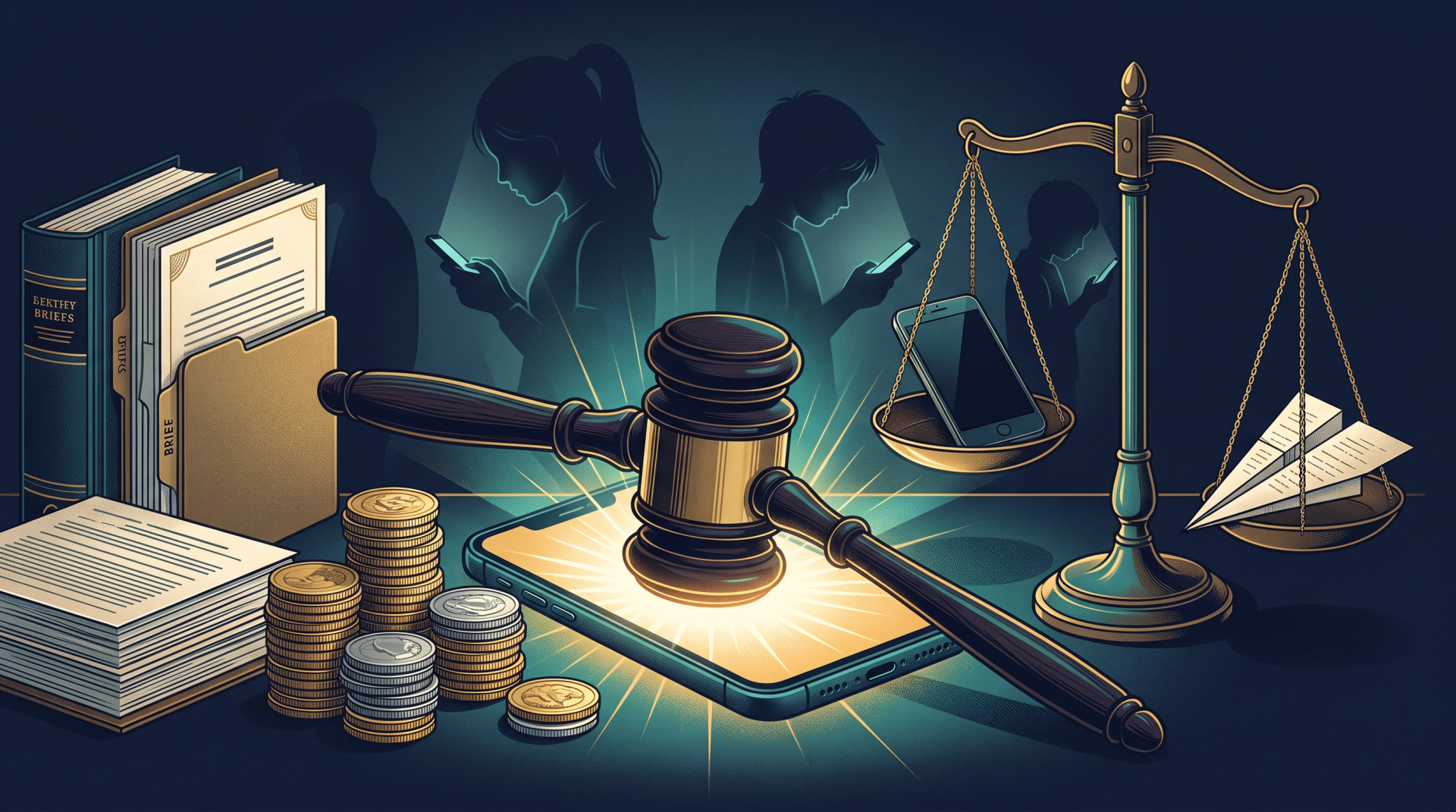
But now everything has changed. Meta’s landmark agreement in the United States, under which the company could pay up to $17 billion and make sweeping changes to Facebook and Instagram, has given governments another weapon in the fight over children’s online safety. More importantly, it has raised a simple but uncomfortable question - if Meta can protect teenagers in the United States, why shouldn’t it do the same thing in other countries?
An independent auditor will be looking over Meta's shoulder. Some of these terms must stay in place for at least five years. And yet Meta admitted nothing.
The company has denied harming children from day one and continues to deny it. It agreed to pay and to change. Meta had reportedly calculated that losing outright could have run up fines of as much as 1.4 trillion.
Meta's settlement didn't start this fire. It poured fuel on one already burning across four continents. Roughly 40 countries are now debating, drafting or enforcing limits on young people's access to social platforms.
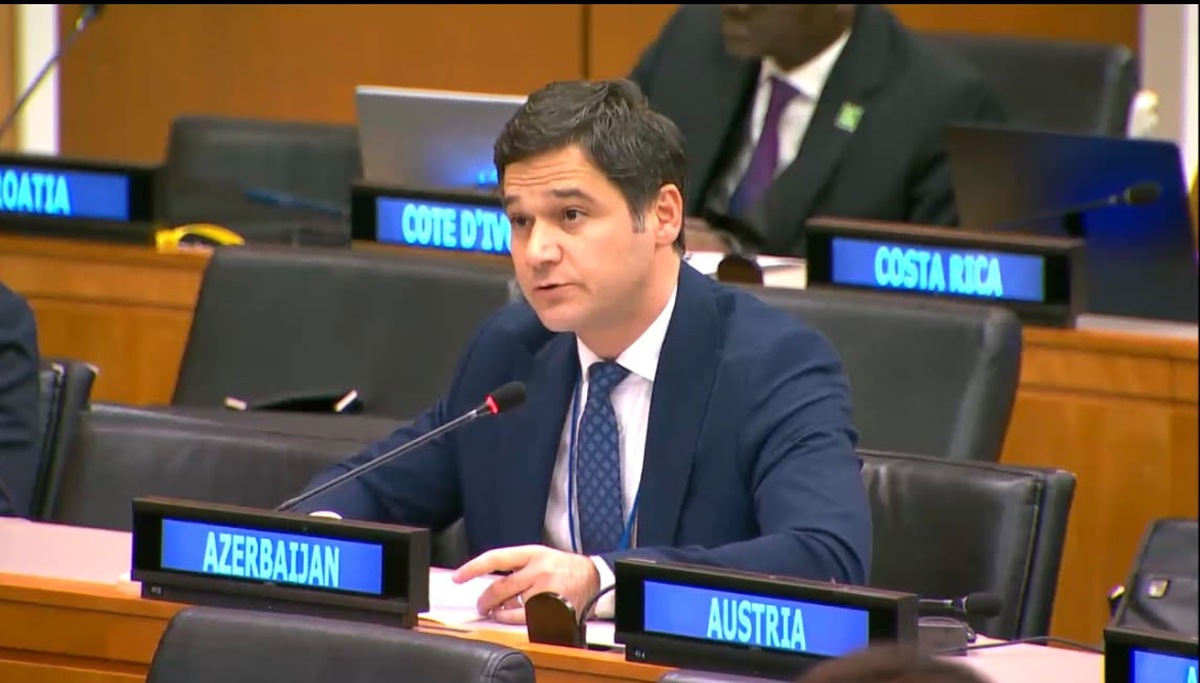
Australia introduced the world’s first nationwide ban on social media use by children under 16 late last year. A similar proposal is also being considered in Azerbaijan. Under a draft bill, children under 16 would be prohibited from creating accounts on certain social media platforms, while users aged 16 to 18 would require parental consent and face additional safeguards.
Extract — continue reading at the source.