Forging even the smallest measure of peace and normalcy between Azerbaijan and Armenia has never been easy. It has been so difficult, in fact, that the progress witnessed today would once have struck most observers as the least likely, almost absurd, outcome imaginable. There is no doubt that, having come this far along such a difficult path, the hardest task now is sustaining that peace on a sustainable and comprehensive footing.
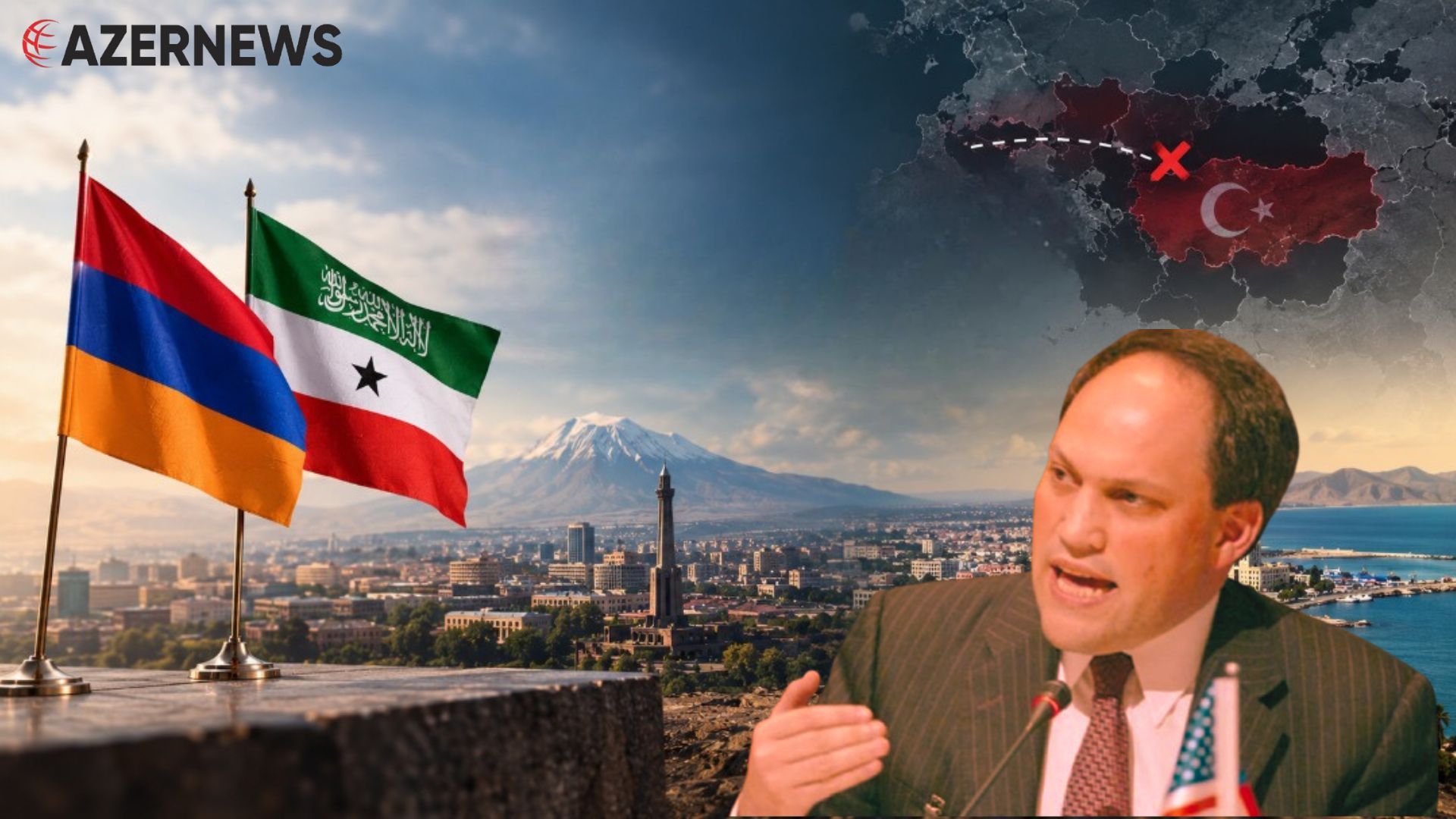
Unfortunately, though, this particular historical moment does not suit everyone. It does not serve the interests of certain lobby groups, or the individuals connected to them, who wield considerable influence from entirely outside the region and show correspondingly little grasp of its realities. One such figure is Michael Rubin, who was once a "guest" of our newspaper.
A senior fellow at the American Enterprise Institute and a former Pentagon official, Rubin frequently writes critical pieces on the Azerbaijani government, its leadership, foreign policy, and regional dealings with Armenia, Türkiye, and Iran. Now, when I mean by guest is that we had the occasion to examine his work in an earlier piece, "Debunking False Parallels: Azerbaijan's COP29 and the Absurdity of Nazi Comparisons," in which Mr Rubin likened Azerbaijan's hosting of the COP29 climate summit to Nazi Germany's propaganda-driven Olympics, a comparison as inflammatory as it was unconvincing. None of this should come as much surprise.
When the funds, factions, and ideologies built up over decades of conflict suddenly confront a genuine rapprochement between two once-hostile states, it is only natural that those invested in the old animosity start wondering where their rhetoric might turn next. Now, Rubin has an idea for Armenian diplomats: befriend Somaliland. In a recent essay he draws a lineage from the Armenian genocide of 1915 to the massacre of the Isaaq clan by Siad Barre's regime in the 1980s, casts both territories as plucky democracies hemmed in by predatory neighbours, and proposes that Yerevan open ties with Hargeisa as the nucleus of "an alliance of small-state democracies facing a common adversary", Türkiye, naturally, cast as the villain in both scripts.
It makes me sad to see such a tidily written narrative also being mostly wrong. Let us start with the history. The unification of Somaliland with the Italian Somaliland in 1960 is a voluntary act of pan-Somali nationalism, no matter how poorly it turned out to be; that of Armenia being subsumed into the Soviet Union is far from voluntary.
The confusion of a failed marriage within and an invasion without collapses two completely distinct histories into one usable story. The slaughter of the Isaaq was real enough, and terrible, but the placing of it next to 1915 does violence to history. Then there is the small matter of international law.
Extract — continue reading at the source.