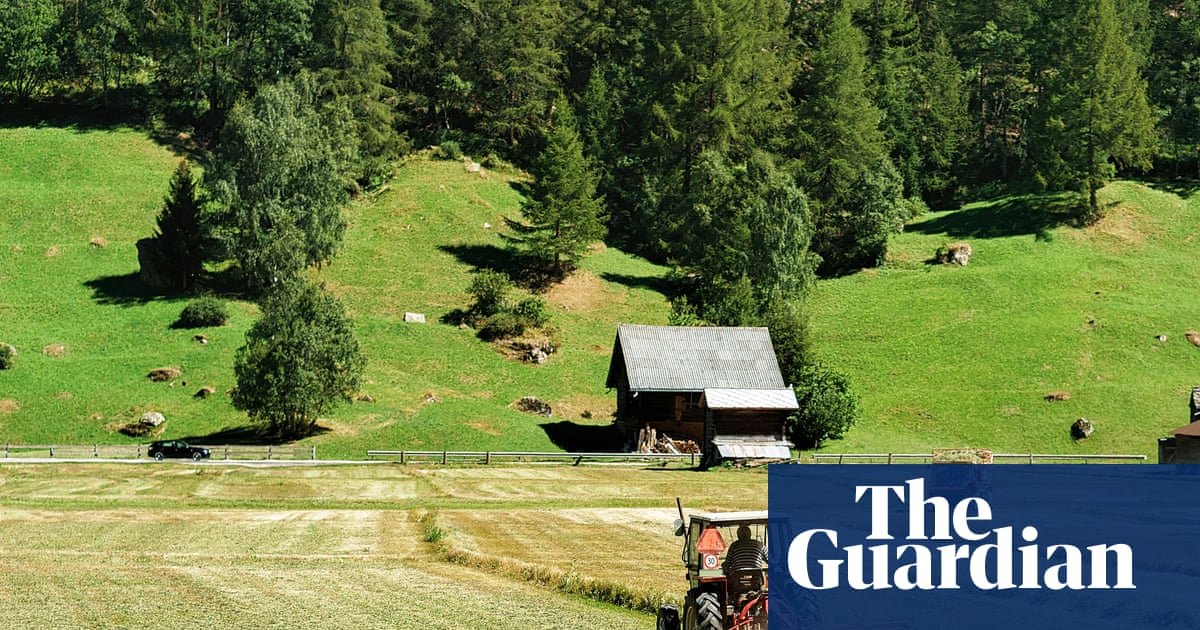
Microplastics act like a “Trojan horse” delivering pollutants, pesticides and bacteria through the soil, a five-year multinational research project has found. The EU-funded project, which has so far resulted in 22 peer-reviewed studies, found microplastics in the soil of all 227 agricultural fields it tested across 11 European countries. The researchers said this poses a global threat, with healthy soils essential for life on Earth.
In many cases, this contamination reflected current farming practices as well as historical land use, demonstrating that plastic pollution can persist for many years. The researchers also found that microplastics could interact with other agricultural stressors such as pesticides and veterinary drugs. One study in Switzerland found that fields with the highest levels of tyre-wear particles also had the highest levels of other toxic chemicals and metals.
Microplastics can create new microbial habitats on their surfaces. Known as the plastisphere, these surfaces form a hotspot for interactions between plastics, microbes and agrochemicals, the researchers found. An increase of antibiotic-resistant genes was found within plastispheres when compared with controls.
Pesticides appeared to amplify this effect further. Edoardo Puglisi, a partner of the project and professor of microbiology at the Catholic University of the Sacred Heart in Piacenza, Italy, said the smaller the microplastics were, the more they tended to adsorb pollutants, microbes and DNA, leading to a “Trojan horse effect that can potentially increase the diffusion of pathogens and antibiotic-resistance genes”. This Trojan horse effect can have an impact on earthworms and soil organisms by disrupting critical processes such as nutrient cycles, one study found.
Earthworms play a vital role in shaping the composition of the soil microbiome as well as the ecological functions of soils. The EU-funded Minagris research project, in collaboration with the Countryside and Community Research Institute at the University of Gloucestershire, also found microplastics could affect plant growth and function. One study found that higher concentrations of microplastics reduced leaf area, chlorophyll content, photosynthetic efficiency and plant biomass in lettuce.
When drought conditions were added, these effects became even more pronounced, with plants performing less well than under either stress alone. Environmental assessments often consider pollutants individually, but the findings show pollutants can behave differently when they occur together. The researchers say policy needs to recognise that plastic contamination is part of a wider picture of soil degradation and pollution.
Extract — continue reading at the source.