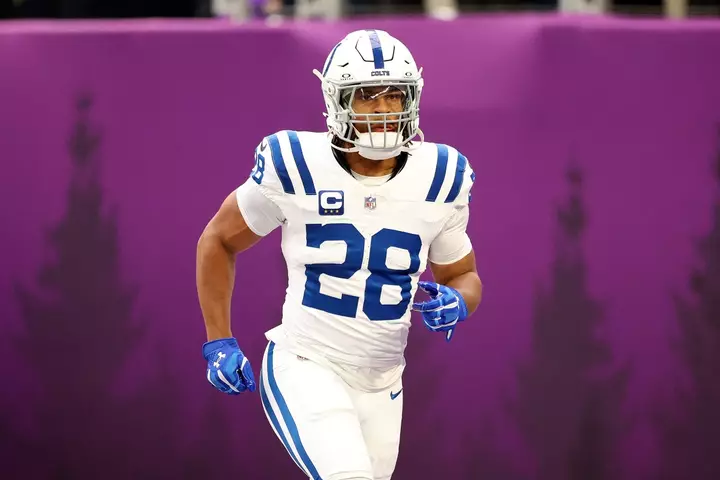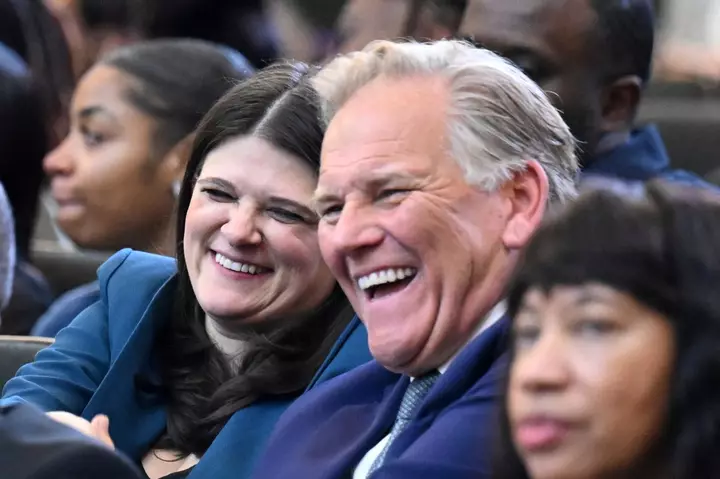
Democratic Representative Haley Stevens endorsed Republican Mike Rogers in Michigan's closely watched Senate race Sunday, delivering a dramatic late blow to Democratic nominee Abdul El-Sayed just days before an election that could help determine control of the chamber. The endorsement came after Stevens, who narrowly lost the Democratic primary to El-Sayed, appeared alongside Rogers at a church service in Detroit. Stevens had been dropped from a planned appearance with El-Sayed the same day as an escalating dispute over Israel spilled into the closing stretch of the campaign.
Stevens said in a video announcing her decision that El-Sayed had made clear she was no longer welcome in his campaign. "And he's right, and that's why I am endorsing Mike Rogers for the United States Senate today," she said. Michigan is one of the Senate seats Democrats likely cannot afford to lose if they hope to take control of the chamber.
Republicans hold a 53-47 Senate majority and are defending 22 of the 35 seats being contested this year. Democrats' most straightforward path to control requires holding all 13 Democratic-held seats on the ballot, including Michigan, Georgia and New Hampshire, and flipping four Republican-held seats. The Michigan seat is currently held by retiring Democratic Senator Gary Peters.
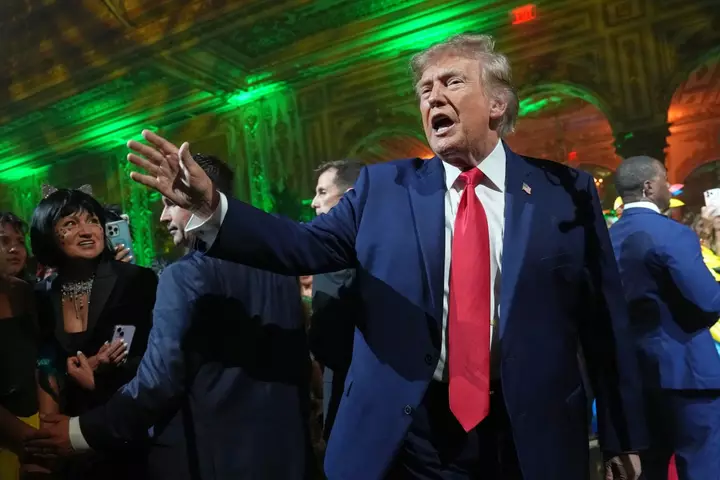
A Rogers victory would therefore hand Republicans a Democratic-held seat and force Democrats to compensate with an additional GOP pickup elsewhere. The stakes extend beyond maintaining the current Senate balance as Republicans fight to preserve their majority, with control of both chambers of Congress at stake in the midterms. A Republican victory in Michigan would therefore strengthen the GOP's position as President Donald Trump's party tries to maintain congressional control for the final two years of his presidency.
The tensions between Stevens and El-Sayed follow one of the year's most closely contested Democratic primaries. El-Sayed defeated Stevens with 48.4 percent of the vote to 47.6 percent, a difference of fewer than 14,000 votes, according to certified results. The primary exposed broader ideological divisions among Democrats, with Stevens supported by much of the party establishment and El-Sayed drawing support from prominent progressives.
Israel and the war in Gaza were also prominent sources of disagreement between their respective supporters. Those tensions resurfaced in the final days of the general election amid a dispute over an outside group's advertisement linking U.S. support for Israel with grocery prices. The divide became even more personal when Stevens' fiancé, Jason Turkish, said he would support Republican Mike Rogers rather than El-Sayed.
Extract — continue reading at the source.