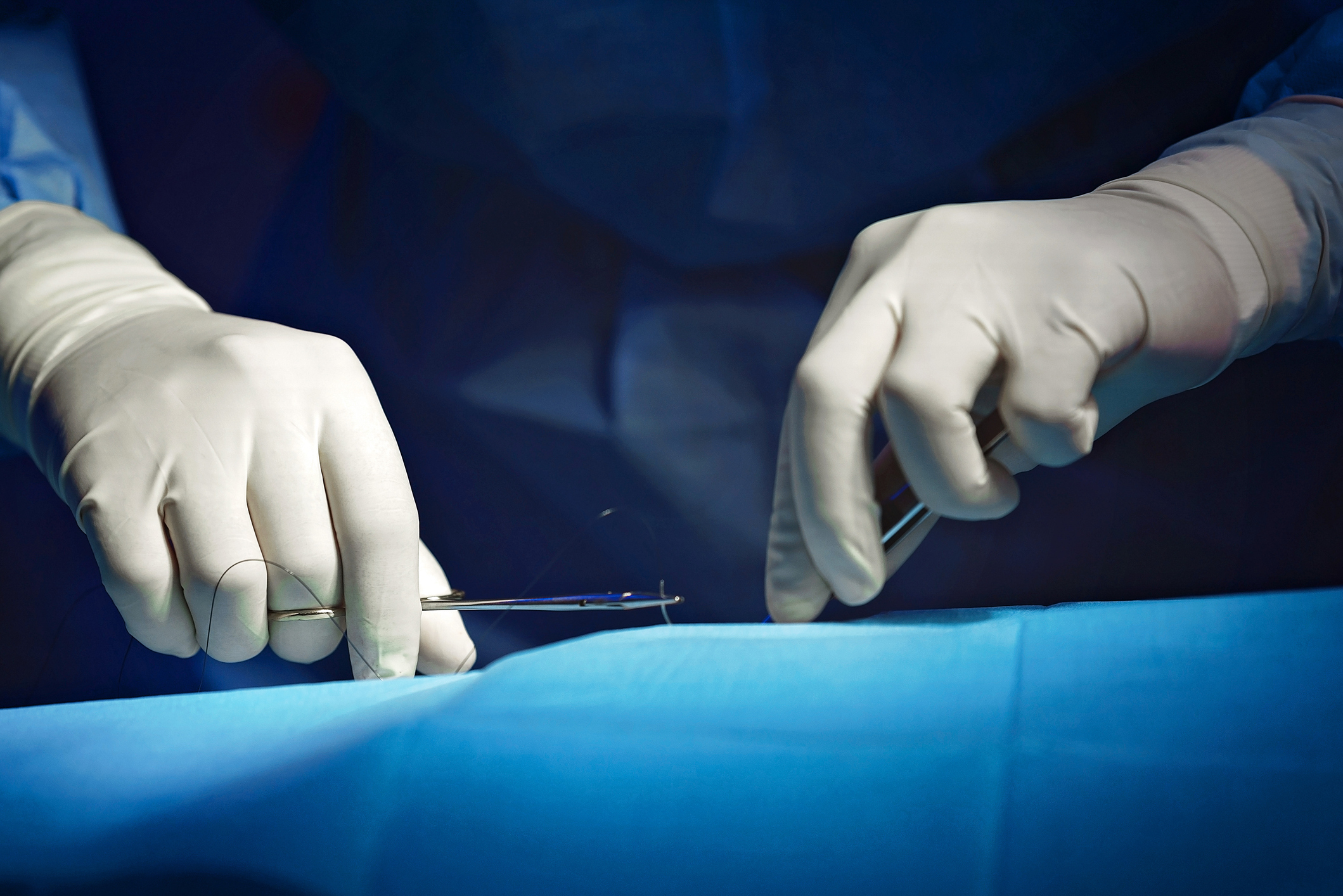
Seeing a surgeon soon after your appendix has ruptured or you’ve been in a car accident can mean the difference between life and death. But more than a third of U.S. counties have no general surgeons, according to a new analysis published Sept. 28 in the Journal of the American College of Surgeons. While many people assume that surgeons primarily perform elective procedures, many surgeons in rural communities serve multiple roles, says Dr.
Thomas Tsai, medical director for health policy research at the American College of Surgeons and a co-author of the study. In that way, “access to surgeons is the keystone for the broader rural health care ecosystem,” he says. The study provides yet another data point that rural health care is in trouble in the U.S.
It found that 38% of counties in the U.S.—home to roughly 15 million Americans—have no general surgeons, and 30% of counties have no surgeon across 12 different specialties. Even many rural counties with hospitals, which are often called critical access hospitals, have no full-time surgeon. How far are people being transferred to receive the care that they need?
What does that represent in terms of a burden to patients? And what does this mean in terms of costs to the health care system?” Tsai says. The lack of surgeons in rural areas could worsen as H.R. 1, also known as the One Big Beautiful Bill Act, is implemented across the country.
It includes cuts to Medicaid and is projected to force many hospitals to close. Overall, access to surgeons was unequal throughout the country: surgeon supply in some specialties was 12 times higher in some regions than others. Rochester, Minn., where the Mayo Clinic is located, has 250 surgeons per 100,000 people, while Harlingen, Texas has just 20.
Part of the problem is that training isn’t keeping pace with demand, especially as the country ages and needs more medical procedures, Tsai says. In other research, the American College of Surgeons recently projected that the U.S. would face a shortage of nearly 28,000 surgeons by 2038. But there also needs to be more training for surgeons in rural areas so that they create roots there, which will make them more likely to stay in places far from the big cities where training mostly occurs, says Tsai.
Extract — continue reading at the source.