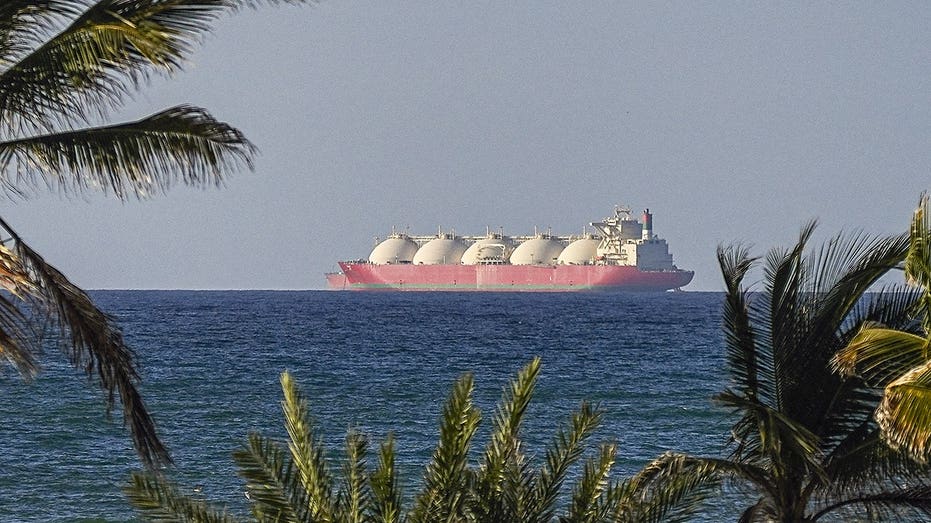
Far from the U.S. warships enforcing a blockade at the mouth of the Persian Gulf, nearly 40 million barrels of Iranian crude are sitting aboard tankers in waters near Malaysia, east of Singapore. The cargo amounts to roughly 20 very large crude carriers’ worth of oil, a floating stockpile that could still give Tehran a way to turn crude already outside the blockade zone into cash even as the blockade sharply restricts fresh exports. The stockpile poses a test for the Trump administration as it moves from military action and a naval blockade toward what the White House calls its financial "endgame" against Tehran.
TRUMP’S IRAN CRACKDOWN ‘SUFFOCATING’ REGIME AS OIL WELLS COULD SHUT WITHIN DAYS, BESSENT SAYS Treasury Secretary Scott Bessent on Sunday launched Operation Economic Outcast, promising a "zero-leakage approach" designed to cut off Iran's remaining sources of revenue after months of pressure on its oil sales, shipping networks and financial enablers. The blockade appears to be making it substantially harder for Iran to export new oil. China’s imports of Iranian crude have fallen to an estimated 534,000 barrels per day so far this month, down from roughly 823,000 barrels per day in July, according to provisional Kpler data reported by .
But millions of barrels that moved beyond the blockade line before it tightened remain within potential reach of buyers. Iran has an estimated 80 million barrels of crude held in floating storage, reported, with roughly half aboard vessels near Malaysia. That leaves Washington facing a different challenge: stopping Tehran from monetizing oil the blockade did not trap.
If Iran can still turn that crude into cash, the regime can use the proceeds to pay for imports and potentially finance efforts to rebuild its military even as the blockade restricts fresh exports. That makes the tankers near Malaysia an early test of whether the administration can deliver the "total isolation" it has promised. CHINA ORDERS FIRMS TO IGNORE US IRAN SANCTIONS, DARING US TO ENFORCE CRACKDOWN "The blockade as it’s currently being practiced and enforced against isn’t really stopping the flow of Iranian oil that’s already past the blockade line," Max Meizlish, a former Treasury official focused on sanctions policy and current senior fellow at the Foundation for Defense of Democracies, told Fox News Digital.
Iranian oil can move through ship-to-ship transfers, in which cargo is shifted from one tanker to another at sea. The practice can help obscure the oil’s origin before it reaches a buyer, often an independent Chinese refinery. Simply having the crude outside the blockade zone does not automatically give Tehran usable revenue.
Iran still needs to deliver the oil, collect payment and move the proceeds through the financial channels it has used to evade sanctions. Treasury has said Iran primarily settles oil sales in Chinese yuan, with exchange houses and front companies helping convert those funds into currencies the regime can use. The department has also previously tied proceeds from Iranian oil sales to the Iranian government, the Islamic Revolutionary Guard Corps, weapons development and Tehran’s regional proxies.
Extract — continue reading at the source.