President Donald Trump has a good claim, rhetorically at least, to one of the technologies that his own movement sometimes loves to hate. On Wednesday, Moderna shares soared higher after the company and Merck announced that their personalized mRNA cancer treatment had succeeded in a pivotal Phase 3 melanoma trial. It is the first positive Phase 3 result for an individualized mRNA-based cancer treatment.
Investors reacted accordingly. Moderna surged by roughly 100 percent in premarket trading Wednesday, heading toward its best day ever, while Merck jumped more than 8 percent. The result is, provisionally, a scientific win for Moderna.
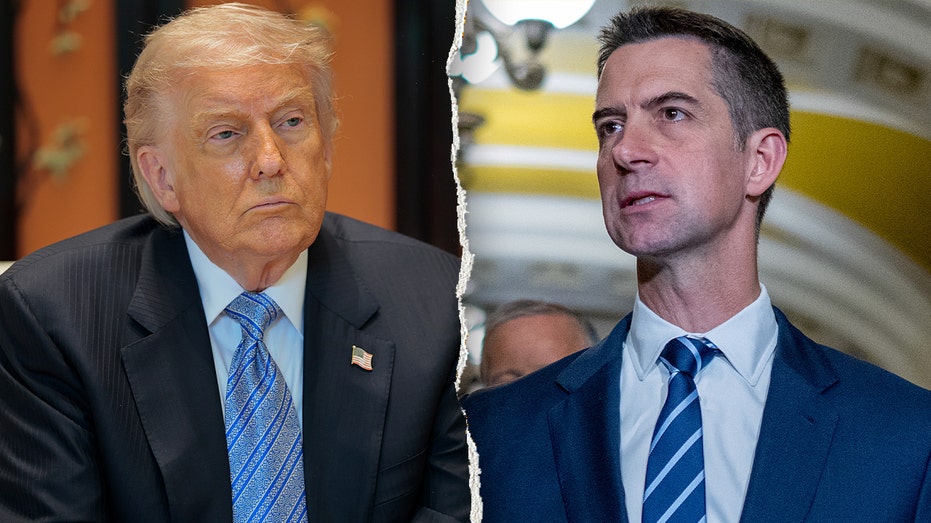
Politically, it is also potentially a win for Trump, and a complication for Robert F. Kennedy Jr and the Make America Healthy Again movement. That is because Trump's own relationship with mRNA has always been stranger, and more favorable, than the vaccine politics surrounding him suggest.
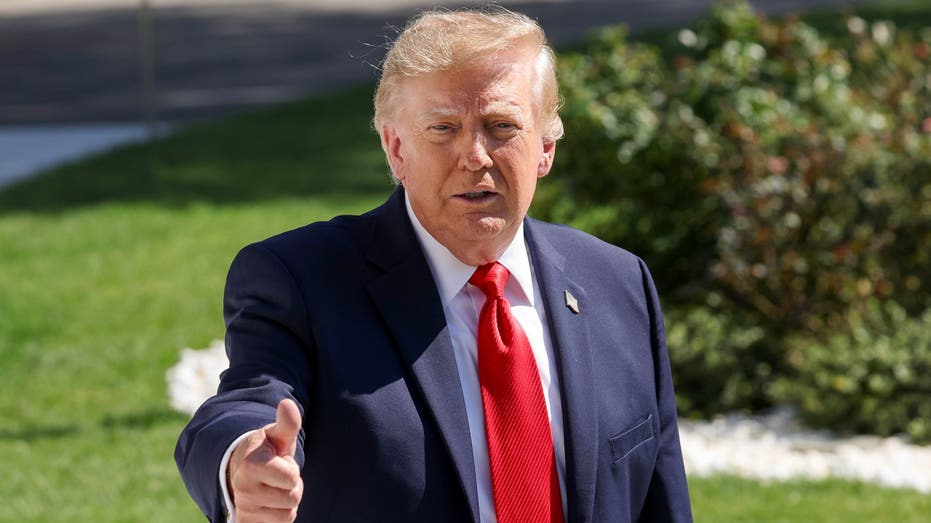
When a reporter pressed him last year on why his health secretary was pulling funding from "the mRNA vaccines that are the gold standard," Trump didn't defend the move. He called Operation Warp Speed, the COVID vaccine drive under his first presidency, "one of the most incredible things ever done in this country," though he cautiously added: "But, you know, that was now a long time ago." In January 2025, just one day after returning to the White House, Trump unveiled the $500 billion Stargate artificial-intelligence project alongside tech executives including OpenAI's Sam Altman and Oracle's Larry Ellison. Trump himself steered the conversation toward cancer, asking what AI could do for medical research and "solving things, cancer, and all the different problems." Altman predicted diseases would be cured at an "unprecedented rate." Trump replied: "It's going to be great." Then Ellison got specific.
Once a tumor had been genetically sequenced, he said, doctors could "design a vaccine for every individual person" and manufacture "that mRNA vaccine" using AI and robotics. Trump's response after the presentation was simple: "Great. Thanks." Eighteen months later, such a vision of the future no longer sounds quite so futuristic.
Moderna's experimental treatment works on essentially that personalized principle. It is designed around the unique mutations in an individual patient's tumor and uses mRNA to train the immune system to recognize cancer cells, producing statistically significant improvements in survival rates, according to the two companies. The Phase 3 trial enrolled 1,137 patients whose stage IIB-IV melanoma had been removed surgically.
Extract — continue reading at the source.