Elaine Batchlor, CEO of MLK Community Hospital in Los Angeles, already knows what will happen if her hospital closes. All she has to do is remember King Drew, a similar safety net hospital that provided care to a large share of low-income patients in the same neighborhood, that closed in 2007 because of safety and quality problems. The low-income neighborhoods in South Los Angeles were without a hospital for almost a decade.
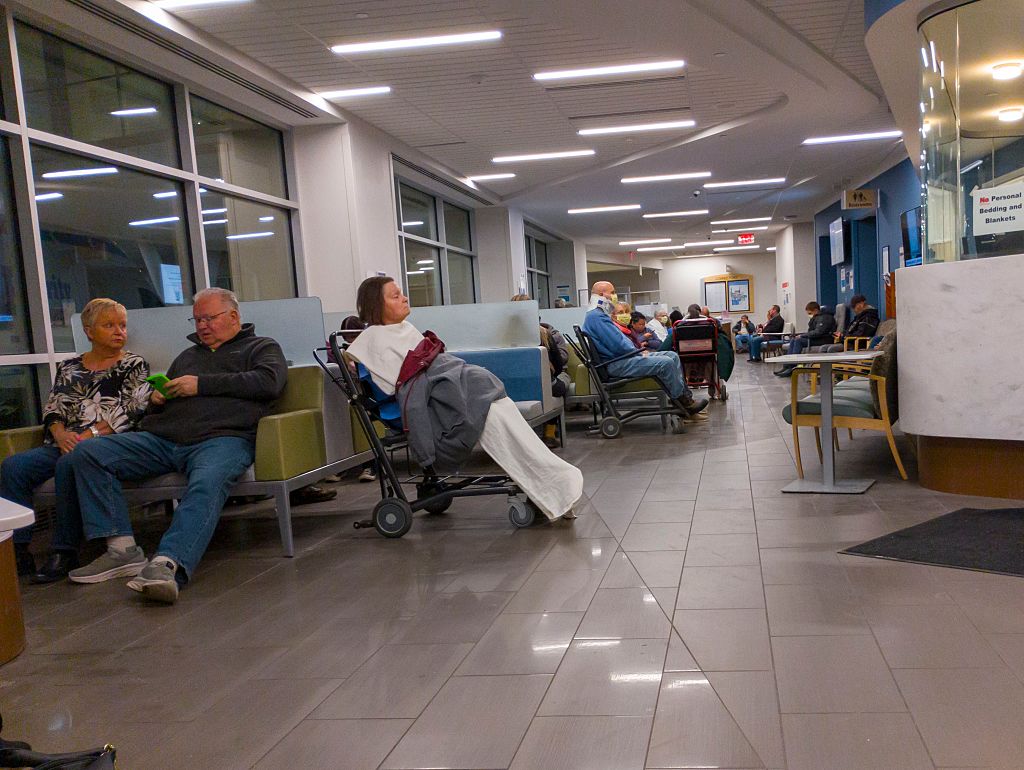
As a result, other hospitals in the area saw higher volumes of patients and more uninsured patients; one hospital’s share of uninsured patients more than tripled, from about 13% to nearly 45%, a study found. This redistribution of sick people led to severe overcrowding in other hospitals and higher costs for insured patients. Now, Batchlor and many other hospital administrators are bracing for this dynamic once again as cuts from H.R. 1, also known as the One Big Beautiful Bill Act, ripple across the U.S. health care system.
H.R. 1 makes it more difficult for people to stay on Medicaid by introducing work requirements and by demanding that people re-confirm their income and address every six months, rather than every year. It also reduces the amount of state funding hospitals receive through the Medicaid program. Batchlor estimates that her hospital will lose between $80-$100 million a year because of H.R. 1.
She’s scrambling to find funding from elsewhere, including from a new 5% sales tax recently passed in Los Angeles County to fund local health services, including safety net hospitals like hers. She’s determined to keep MLK Community Hospital open, but she knows other hospitals won’t be successful in doing so. One analysis found that more than 300 rural hospitals are at risk of closing because of H.R. 1.
What Batchlor wants people to know is that an increase in uninsured people doesn’t just affect the people losing insurance. More uninsured people means more of a financial burden on hospitals—particularly hospitals like hers, which are located in low-income neighborhoods and which will incur higher costs treating everyone who shows up in the emergency room because they’ll see more uninsured patients. When hospitals face financial distress, they cut back on services: often ob-gyn and preventative care.
Or they close altogether. Hospitals and doctors must charge more as they provide more non-reimbursed care. A September 2 report by Marsh, the consulting firm formerly known as Mercer, estimates that the cost of health insurance plans to employers will increase by 11% in 2027—the biggest jump in decades—and that many employers will pass those costs on to their workers.
Extract — continue reading at the source.