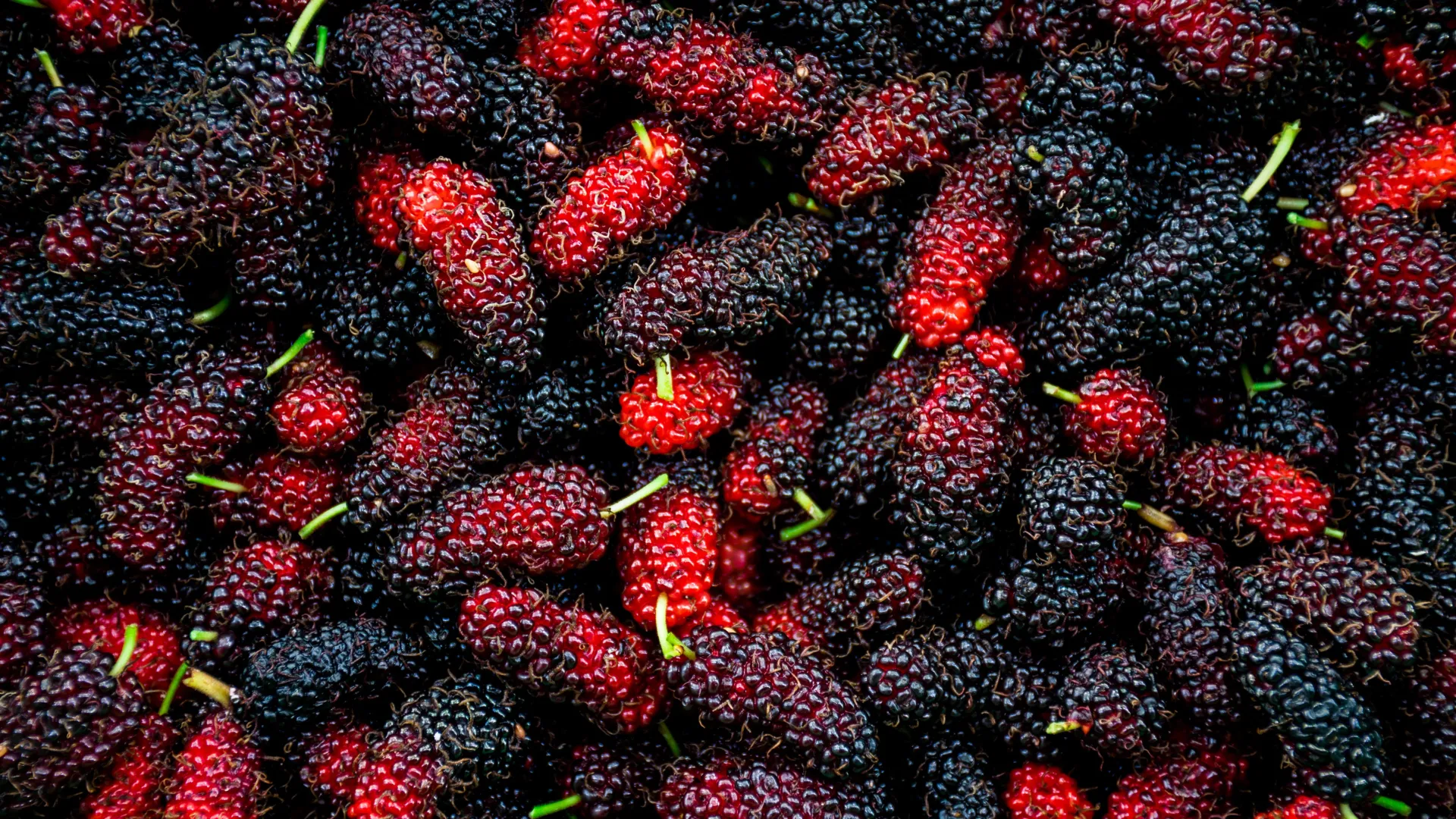
Mulberry has been eaten as food and used in traditional medicine for centuries. Now, researchers are examining whether compounds in the plant can alter the gut microbiota and, in turn, affect metabolism. A review involving scientists from Wroclaw Medical University suggests that the results may depend heavily on the mulberry species, which part of the plant is used, and how it is processed.
"The gut microbiota not only contributes to the functioning of the gastrointestinal tract but may also influence metabolism throughout the body. Mulberry is particularly interesting in this respect because it contains numerous bioactive compounds, including polyphenols and polysaccharides, which may interact with gut microorganisms," explains Anna Prescha, PhD, DSc, Professor at Wroclaw Medical University, from the Department of Dietetics and Bromatology. Different Mulberries Contain Different Compounds Research to date has concentrated mostly on white mulberry (Morus alba), although black mulberry (Morus nigra), especially its fruit, has also produced notable results.
Mulberry leaves contain several biologically active substances, including 1-deoxynojirimycin (DNJ), which is known to affect carbohydrate metabolism, along with polyphenols and polysaccharides. Black mulberry fruit, meanwhile, contains high levels of anthocyanins and other phenolic compounds, as well as polysaccharides. How the plant material is processed can also make a major difference.
Drying, fermentation, and extraction methods can change both the amount and relative proportions of bioactive compounds. As a result, two preparations made from the same plant material may differ considerably in composition and biological effects. The review found that preparations made from both mulberry leaves and fruit may affect the composition and activity of the gut microbiota.
Some studies reported shifts in beneficial bacteria along with higher production of short-chain fatty acids such as acetate, propionate, and butyrate. These compounds are produced when gut microbes ferment dietary material and are important for normal intestinal function. In some experiments, changes in the microbiota were also associated with improvements in measurements related to glucose and lipid metabolism.
The results, however, were not consistent across every preparation. Both the material being studied and the way it was processed appeared to influence the outcome. Black mulberry fruit polysaccharides offer one example.
Extract — continue reading at the source.


