When I was a child, visits with my Korean grandmother always began with the same ritual. She would place my left hand on her lap and trace the lines in my palm with her index finger, before delivering a prophetic verdict about my future. She’d tell me that when I became an adult, I would be a cheapskate.
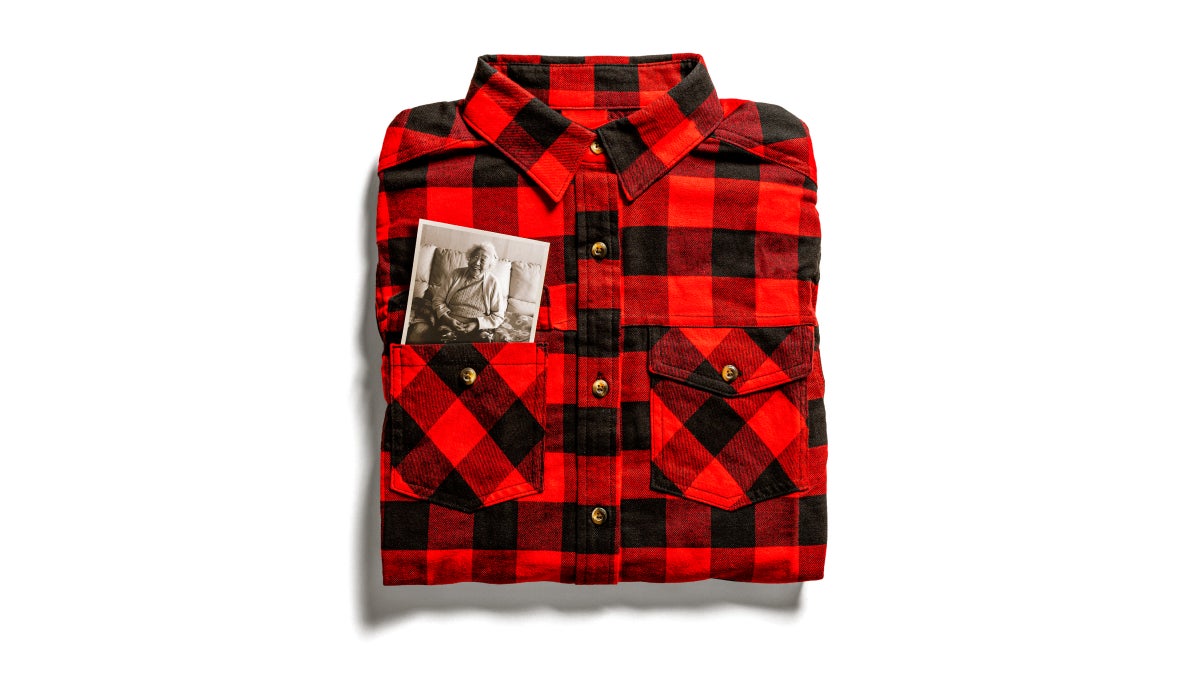
Apparently, the so-called “money lines” on my left palm were unbroken. After reading my palm, my grandmother would turn her attention to my shirt. Starting with the threads, she’d run her fingers along the seams and the stitches, analyzing the fabric for some soothsaying quality.
Her hands would rub the material, and she would look at it closely. After pausing for a few seconds, my grandmother would announce her findings: “This shirt has good cotton!” or “I’ve never seen this weave!” I lived with my family in Arkansas, worlds away from Seoul, which is where my parents had been born and my grandmother lived. Sometimes my grandmother would visit us in the United States, and sometimes we’d fly halfway across the globe to see her in Korea.
I remember thinking that her fixation on fortune-telling and garment analysis was normal. I assumed that, across the U.S., grandmothers were greeting their grandchildren by gifting them candy and presents, before sitting down and studying the microfibers in their sweatshirts and blouses. As I got older, I learned that my grandmother’s hyperfixation on fabric was the product of her younger adult life in Korea.
According to my family’s fuzzy family lore, Grandma had once managed a textile factory. Well, no, maybe she had actually owned it. Did she simply work at the factory?
Facts were hard to come by. Different family members visiting from Korea would tell pieces of Grandma’s life during their stays in Arkansas. And over the years, Grandma’s history in the garment industry became a source of my curiosity.
Extract — continue reading at the source.