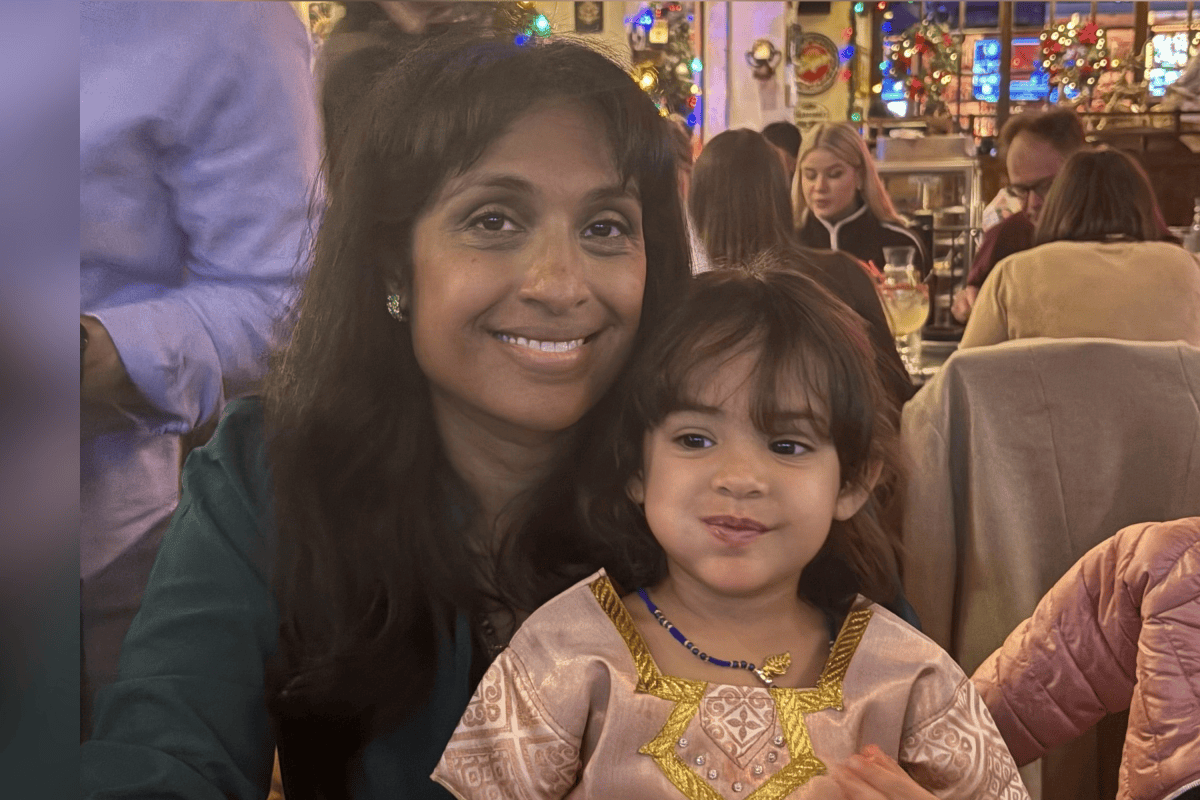
She is small for her age and new to school, with the kind of face that makes adults assume she’s easygoing and will never cause problems. One day, she came home and said, frowning, “People keep calling me ‘so sad.’” At first, I assumed she was having some separation anxiety around dropoff time and her classmates were simply empathizing with her. But day after day, she kept coming home and telling me, “They called me ‘so sad’ again”—like it was her name, a fact everyone agreed on.
After some prodding, I found out that she had met her first bully—a bigger boy who apparently woke up one day and decided preschool needed a villain arc. He didn’t hit her or shove her; he just looked at her and said, “You’re so sad.” He repeated it and got the rest of the class to echo his taunts: “You’re so sad.” “You’re so sad.” Over and over, every day. By sad, I believe he meant pathetic, small and vulnerable, and she knew that.
For four months, she came home upset and demoralized every day. When the topic of school came up, there was heaviness in her voice. She told me, “I don’t have any friends.
They all keep calling me ‘So Sad.’” It shattered my heart. I brought it up with the school and spoke with some of the parents of the kids involved. One of them told me she brought it up with their pediatrician, who said that this was a healthy expression of empathy from the other kids, who simply wanted to make her feel seen.
I myself had initially believed this too but I realized over time that this had nothing to do with empathy. I reached out to the bully’s mom, who responded graciously and said she would talk to the teacher to help the two kids work it out. My daughter was being singled out, taunted and isolated every single day, but it wasn’t the stereotypical bullying of the days of yore.
There were no raised voices or fists, no bruises or tears in the moment, and their insult of choice seemed harmless or even benevolent on the surface. To me it seemed to be borderline psychological warfare, strategic and nefarious in a way that I wasn’t prepared for, especially coming from 3-year-olds. The teachers told my daughter to walk away, say “no thank you,” and play nice with her peers.
Extract — continue reading at the source.