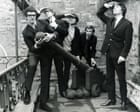
Our first single, She’s Not There, was one of the first songs I wrote, when I was 18. It remained our only hit in the UK by the time we recorded our second album, Odessey and Oracle, in 1967 – this was only three years later but it felt like a lifetime. We’d recently signed to CBS and had been given £1,000, which even then was not a huge amount of money.
We recorded pretty quickly in a few sessions spread over six months, producing ourselves for the first time. Time of the Season was the last song I wrote for the album. I was sharing a flat with our bass player Chris White, and we were going to each other’s rooms and playing the different things we had.
I said: “I think I’ve just written a song that could be a hit.” The lyrics reflected the mood of the time. In 1967 there were pictures of war on TV, and people were seeing what a devastating thing it was and saying: “I’m not going to be part of this.” The “Who’s your daddy?” line was, in a way, going back to Gershwin’s Summertime, one of the first songs we performed together, but “Is he rich like me?” had kind of a double meaning: “rich” in the sense of understanding how to live. We recorded at EMI Recording Studios, later known as Abbey Road.
The Beatles were in before us making Sgt Pepper’s Lonely Hearts Club Band – we had the benefit of some of the same recording engineers, in particular Geoff Emerick. He found this special way of marrying the bass and the tom-tom sound. I suggested the clap before the beat and a vocal sound after, which became the exhalation.
We soon used up our £1,000, but because of the tight timeframe we were working to, there was a spontaneity and freshness that was very valuable. It’s a method I try to preserve. I was learning Time of the Season while we recorded it.
Standing where the vocal mic had been set up, I was looking at this big red recording light with a clock underneath it while I tried to get it right. The studio was very strict about sessions finishing on time, and there were these guys with long brown coats moving equipment about. On one occasion, we were standing around a piano working out harmonies and they wheeled it out in the middle of a take.
Extract — continue reading at the source.