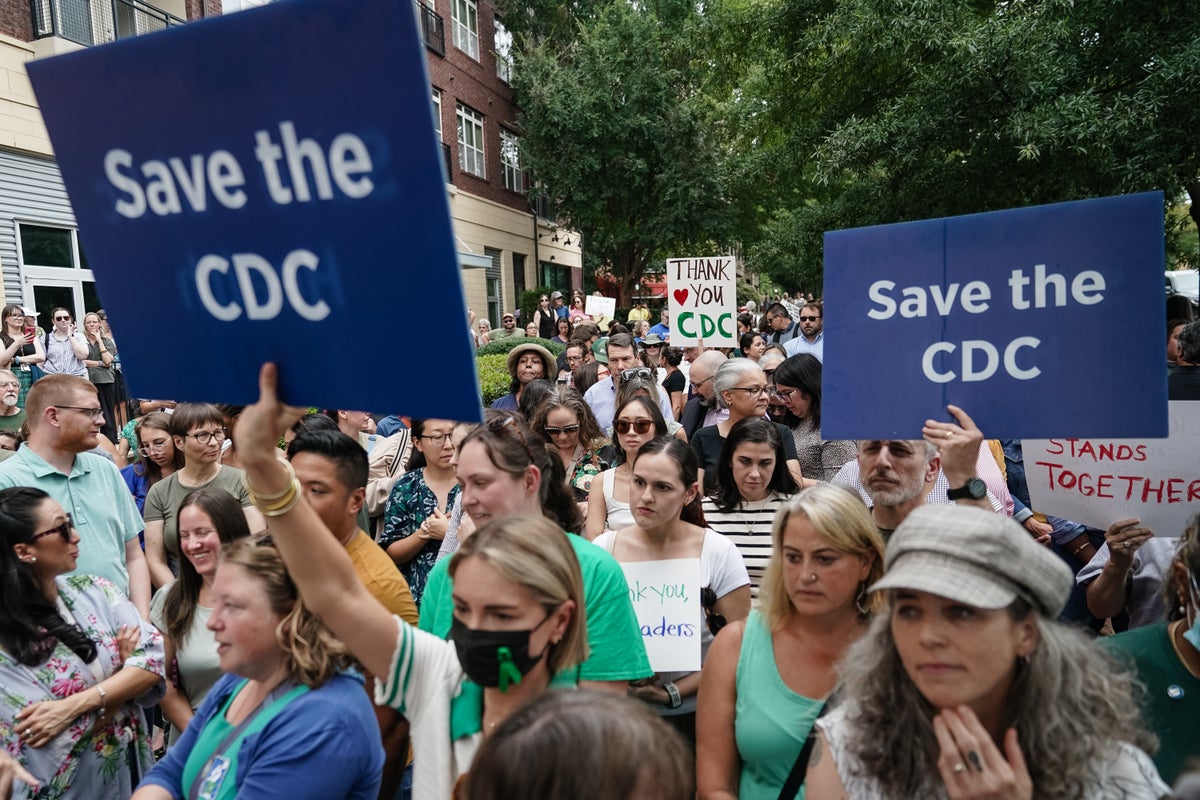
Congress allocated $41 million to the Centers for Disease Control and Prevention for an Alzheimer’s initiative this year, but the program currently has no personnel to execute its mandate. Similarly, the agency's Office on Smoking and Health was designated $246 million in federal funding, yet its staff was also cut. The same pattern extends across several other critical divisions, including epilepsy research, sickle cell disease data collection, and rape prevention units.
These operations have effectively become the CDC’s "zombie programs." On paper and within congressional spending legislation, they remain fully funded and active. In reality, they are functionally non-operational because the specialists responsible for running them were either terminated by President Donald Trump's administration or placed on paid administrative leave, barred from conducting their work. Headquartered in Atlanta, the CDC is charged with protecting the American public against preventable health threats.
Erica Schwartz assumed the role of agency director last week, inheriting both these dormant initiatives and mounting congressional pressure to restore them. During Schwartz's confirmation hearing, Democratic U.S. Tim Kaine questioned her regarding the resumption of operations at the dormant smoking office.
"This is an office that is in statute, and it’s an office that receives congressional appropriations," Kaine pointed out. "Will you follow the law if we appropriate money for this mission and the CDC?" "I will always follow the law," Schwartz answered. The decision to freeze these activities originated from political leadership above Schwartz.
In April 2025, Trump's Republican administration issued layoff notices to thousands of workers across federal public health bodies. The move was part of a broader effort to restructure the U.S. Department of Health and Human Services and merge multiple initiatives into a proposed subagency called the Administration for a Healthy America.
Although congressional opposition stalled the overall reorganization, the workforce reductions went forward. Guided by then-adviser Elon Musk alongside the Department of Government Efficiency, the cuts removed scientists, researchers, medical doctors, administrative staff, and senior leadership. This left federal agencies short of the technical authorities who traditionally guided decisions on medical research and drug approvals.
Extract — continue reading at the source.