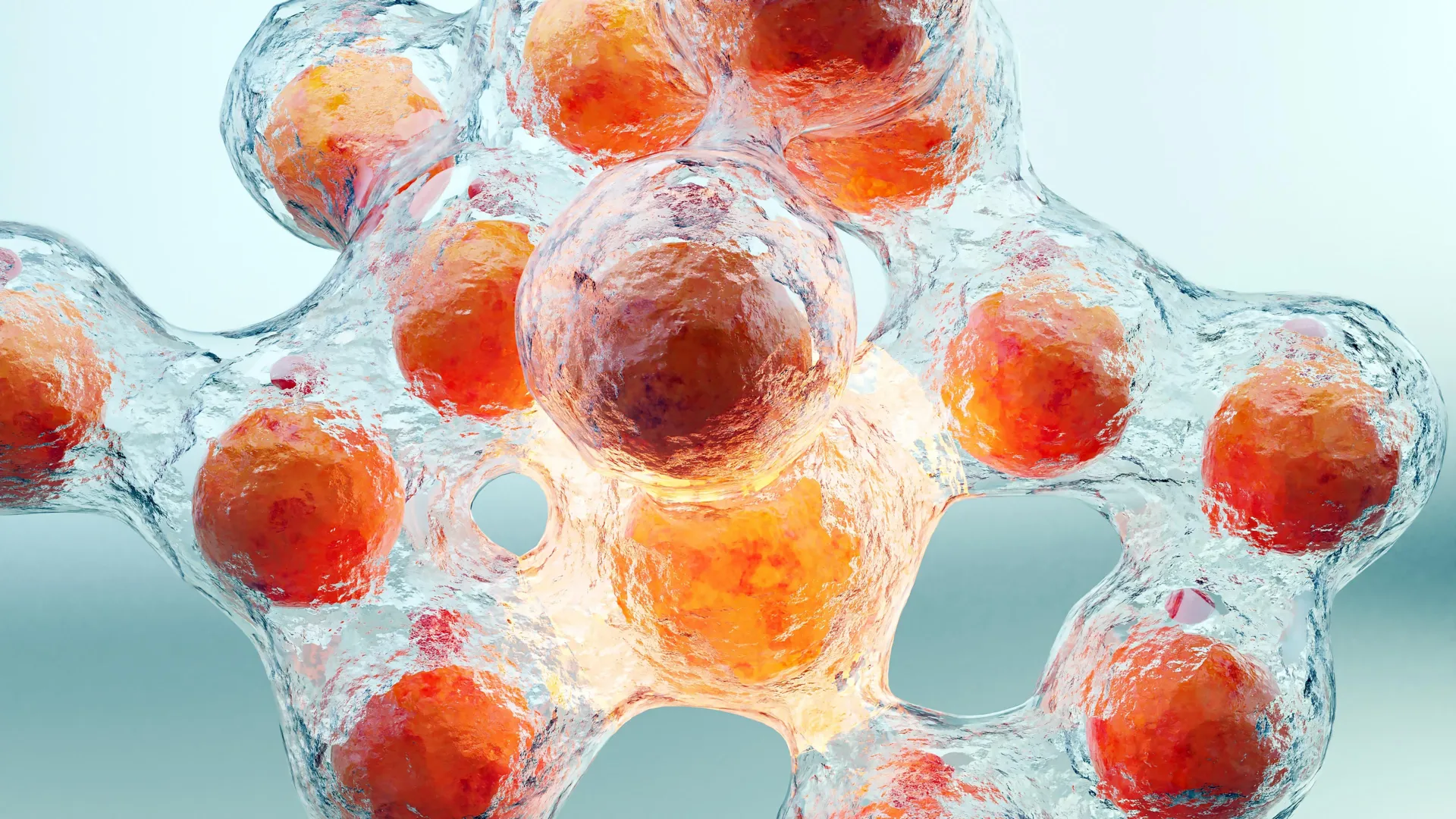
An experimental injection that causes fat cells to destroy themselves has shown promising results in early human trials, significantly reducing dangerous fat hidden deep inside the abdomen. Researchers believe the treatment could eventually offer a new way to combat obesity and potentially help people maintain weight loss after stopping popular weight loss medications. The drug, known as CBL-514, was highlighted at the annual meeting of the European Association for the Study of Diabetes (EASD) in Milan, Italy.
Research indicates that it can reduce both subcutaneous fat, which sits directly beneath the skin, and visceral fat, which surrounds internal organs. Timothy Garvey of the University of Alabama at Birmingham says the findings also raise the possibility that CBL-514 could reduce weight regain after patients discontinue GLP-1 receptor agonist medications (GLP1-RAs) like Ozempic, Wegovy, Mounjaro, and Zepbound. However, this potential benefit has so far been demonstrated in animal studies and still needs to be confirmed in humans.
A New Injection That Makes Fat Cells Self-Destruct What makes CBL-514 unusual is how it works. Rather than simply reducing the amount of fat stored inside existing cells, the drug triggers apoptosis (self-destruction), a natural biological process that causes cells to break down and die. CBL-514 is designed to target adipocytes, the body's fat-storing cells, while leaving other types of cells unaffected.
In phase 2 clinical trials, researchers observed substantial reductions in subcutaneous fat. This is the soft layer of fat immediately below the skin that can be "pinched." At the eight-week follow-up, 69.6% of participants treated with CBL-514 had lost at least 150 mL of subcutaneous fat volume. None of the participants who received a placebo reached that threshold.
Animal experiments provided additional evidence that the treatment could affect more than just visible body fat. In preclinical studies (animal models), CBL-514 reduced body weight as well as subcutaneous and visceral abdominal tissue (VAT). Visceral fat is especially important from a medical perspective.
Unlike fat that accumulates directly beneath the skin, visceral fat lies deep within the abdominal cavity, surrounding organs such as the liver and intestines. This hidden fat is biologically active and can interfere with the body's ability to regulate blood sugar and metabolism. Excess visceral fat is a major contributor to insulin resistance, type 2 diabetes, and cardiometabolic conditions, including heart attacks and strokes.
Extract — continue reading at the source.


