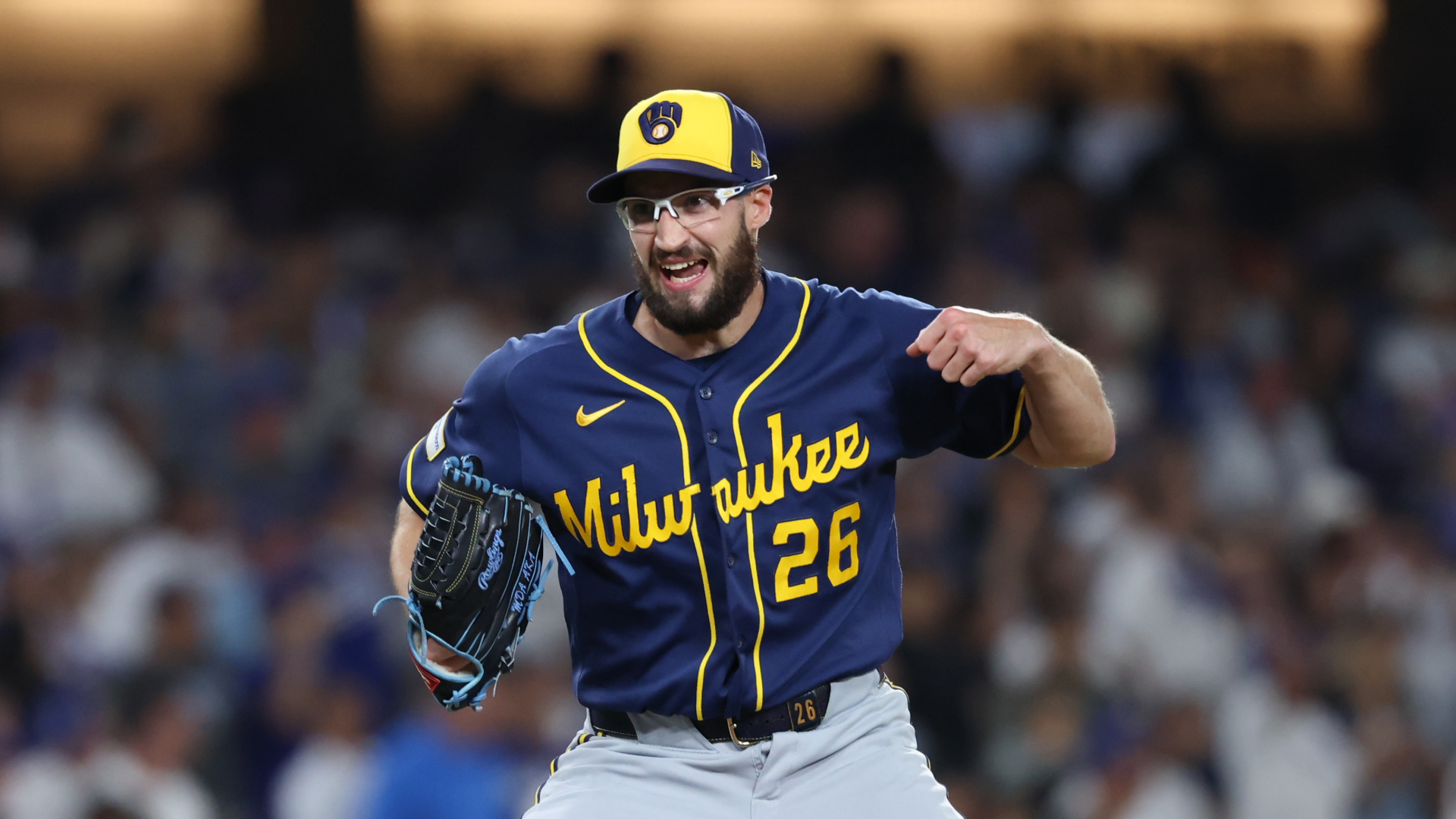
The NFL is ready to kick off its first Sunday of a new season, but a good part of the game won’t be taking place on the field. Even as play-by-play stalwarts like Fox’s Greg Olsen, ESPN’s Joe Buck and Troy Aikman and Amazon’s Al Michaels and Kirk Herbstreit give fans real-time details and analysis for Fox’s Sunday afternoon pigskin sessions, ESPN’s “Monday Night Football” and Amazon’s “Thursday Night Football” they may be thinking about something else. Each of these chroniclers of the gridiron knows his contract with the media company backing their prominent perches ends after the current season, according to three people familiar with the situation.
TV networks rushed to line up top talent to call games after the NFL struck a pivotal 11-year rights deal in 2021. At the time, the thought from many TV sports chiefs was that they had to spend money to make money. Tony Romo carved out new terrain at CBS Sports in 2017 after revealing a knack for predicting game play — all but forcing CBS to re-sign the former Dallas Cowboys quarterback to a multi-season pact in 2020 valued at around $17 million a year.
Since that time, most of CBS’ contemporaries have followed suit. When ESPN signed former Fox Sports mainstays Joe Buck and Troy Aikman to deals in 2022 to call “Monday Night Football,” it was seen as a critical move that would help the Disney-backed sports-media giant soothe what had become a troubled relationship with the NFL. Amazon lured NBC Sports’ Al Michaels and ESPN’s Kirk Herbstreit to serve as the voices for “Thursday Night Football.” And Fox secured the services of none other than Tom Brady, a move that crowded out sportscaster Olsen.
Now Fox Sports, ESPN and Amazon must decide whether they need the services of these popular (and sometimes high-priced) veterans going forward, at a time when the NFL appears keen to gain new cash from its relationships with U.S. media companies. The focus on the booth is different than in years past, when the bigger sports-TV salaries went to the guys crowded around a round table in studio shows like “The NFL Today” or “Fox NFL Kickoff.” “You would never see a big name call games professionally,” says Gideon Cohen, executive vice president of broadcast and new media at Athletes First, a sports management firm. Fox Sports, Amazon, ESPN and CBS Sports all declined to make executives available for comment.
With media economics in massive flux, some companies may question how much they can pay top announcing talent — and the end of a contract could give them a chance to examine their cash flow. At Amazon, it’s understood that Al Michaels is on a year-to-year contract, while Herbstreit, who also plays a pivotal role in calling college football games for ESPN and makes regular appearances on the popular “College GameDay,” works a superhuman schedule during football season. Indeed, he says, there’s no guarantee that media companies will continue to pay top dollar as the entire sector grapples with exponential increases in many sports rights fees.
As that happens, he adds, “you start to look for savings in production and talent.” Some companies may not be able to afford ditching their high-priced football analysts. Inside ESPN, it’s widely acknowledged that the decision to lure Buck and Aikman away from Fox has paid dividends. ESPN and the NFL had a rockier relationship when the network fielded what was considered a weaker group of announcers.
Extract — continue reading at the source.