This article has been reviewed according to Science X's editorial process and policies. Editors have highlighted the following attributes while ensuring the content's credibility: Building a multicellular organism, even a fruit fly, is kind of like assembling a complicated piece of Ikea furniture. As with furniture, you have to assemble it in the right order.
"There are many moving parts, many cell types, many organs, and the sequence and timing of events really matter," says Philippe Batut, assistant professor of genetics and development at Columbia University Vagelos College of Physicians and Surgeons. "Genes have to be turned on at the right time and the right place, or you're not going to get anywhere." New research from his lab now reveals a surprising way that developing Drosophila embryos keep track of time and control gene activity with previously overlooked RNAs. The findings, published in Science, could have implications for human health and disease.
"Because many mutations disrupt when and where our genes are active, the work may lead to a deeper understanding of a vast array of human diseases and help identify new therapeutic strategies," says Batut. The research stretches back to a question that has intrigued biologists since the human genome was first sequenced more than two decades ago. Our genes contain the instructions for building the proteins that make our bodies work, but the first map revealed that genes only make up 2% of the human genome.
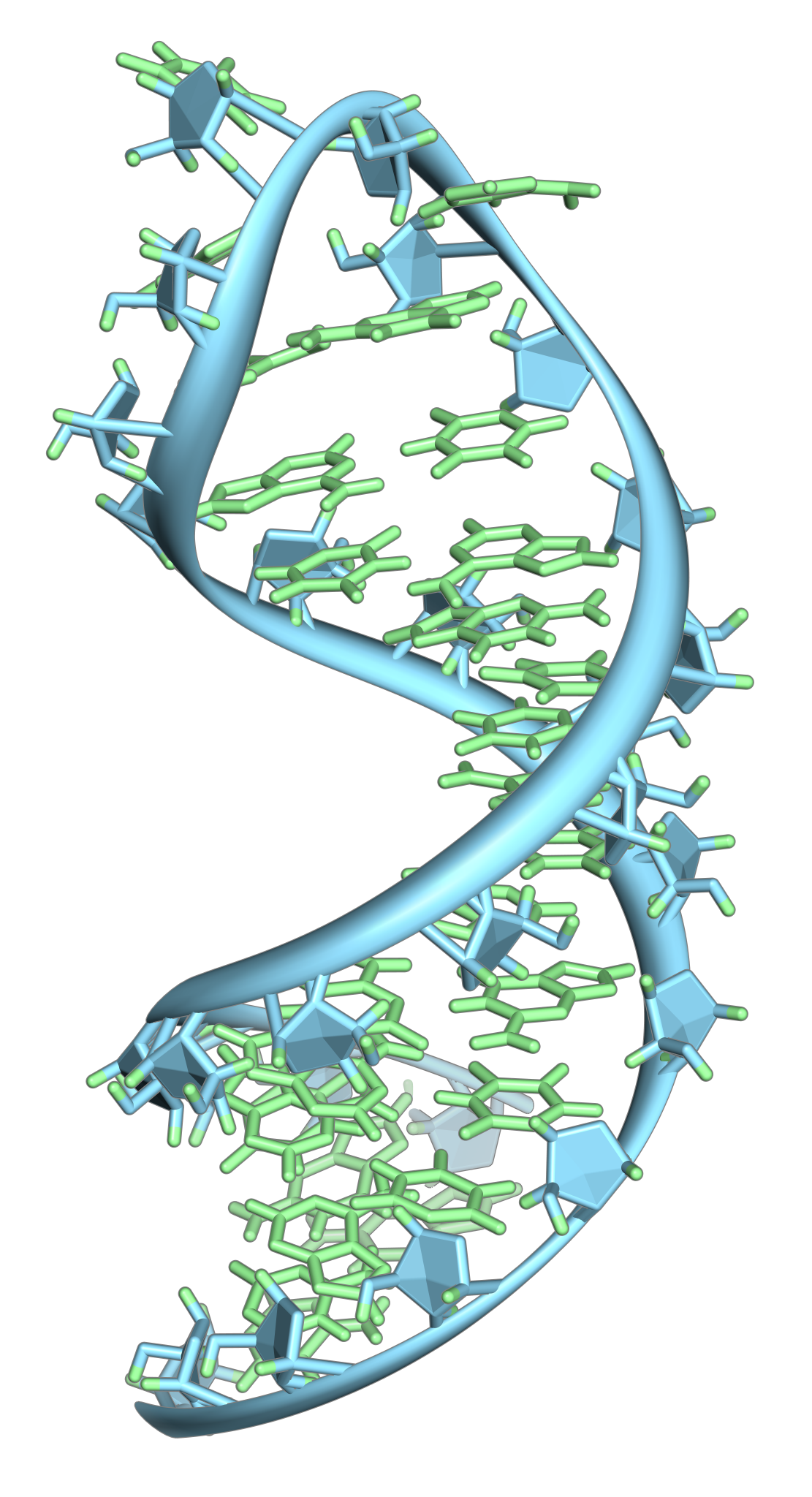
The rest was dubbed "the dark genome." One portion of the dark genome grabbed Batut's curiosity: About a decade ago, researchers discovered that regulatory regions known as enhancers give rise to mysterious noncoding RNAs. Enhancers are well known as sequences that act as switches, increasing or decreasing gene activity. But it was anyone's guess what the enhancers' noncoding RNAs were up to.
As a postdoctoral fellow at Princeton and then in his own lab, Batut wondered if the enhancers' RNAs were functionally relevant during animal development or merely spurious. To find out, he developed real-time visualization techniques to watch endogenous noncoding RNAs and genes at work in developing fruit fly embryos, which share many biological processes with humans. The initial analysis revealed that a large set of noncoding enhancer RNAs appeared at precise locations and times in the developing embryo and seemed to orchestrate the activation of a set of crucial developmental regulators called HOX genes.
To understand what the enhancer RNAs were doing, the team edited the embryo's DNA to prevent one HOX gene's enhancer from creating noncoding RNA. They expected that would turn off the HOX gene or at least reduce its activity. Instead, they saw the HOX gene turned on in the right place but at the wrong time, causing telltale changes in the embryo's morphology.
Extract — continue reading at the source.