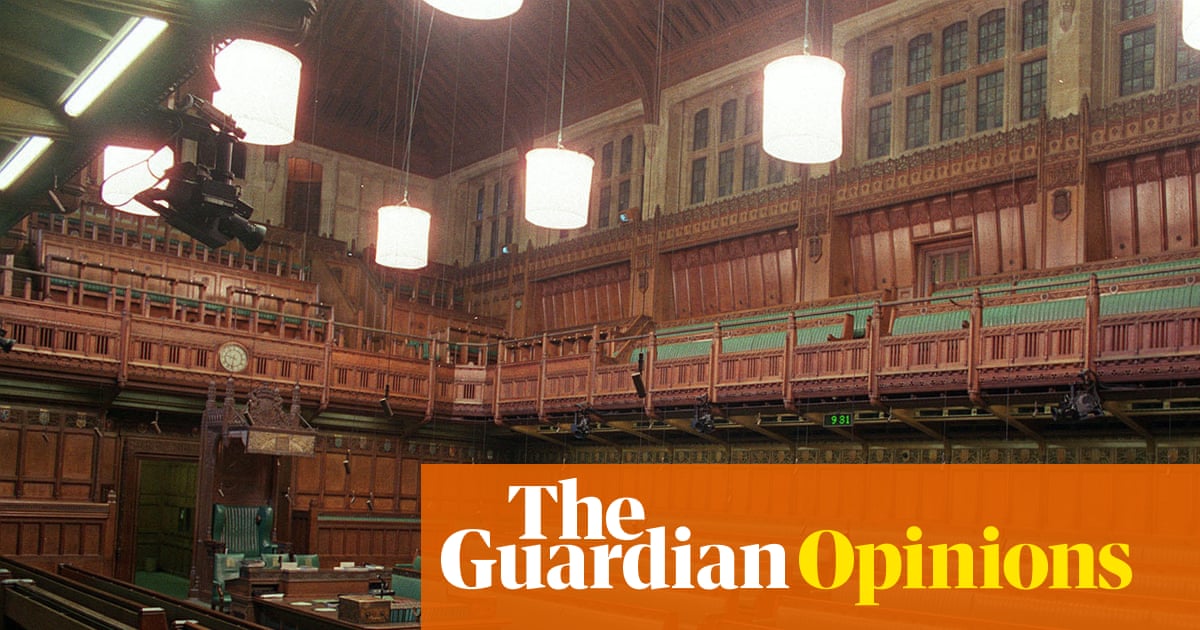
What is the most reactionary public institution in Britain, the most outdated and immune to reform? It is the one that orders us to keep changing: parliament. It is also the most wildly extravagant.
When the issue is hospitals, prisons and care homes, austerity is often the answer. When it comes to its own premises, only the best will do. Big Ben has recently been restored at a cost of £80m and the entire Palace of Westminster has been reroofed for another £80m.
Back in the 2000s, the basement was also reportedly much in need of repair. Its piping and wiring were so decayed they would fail within five to 10 years. Various committees debated and dithered, and eventually invited London’s most pukka consultants, Deloitte, to estimate what needed doing, which published its findings in 2014.
The building, it recommended, should become a construction site for between six and 32 years at a cost of between £3.5bn and £5.7bn. These estimates depended on how far and for how long the two Houses of Parliament were prepared to go elsewhere. Since then the wiring has miraculously survived and new estimates were published by a parliamentary commission.
The job would now cost up to £40bn and take between 11 and a staggering 61 years. I have seen the Westminster basement on two occasions and am neither an engineer nor a cost expert. Its maze of pipes and wires could certainly win it a Turner prize.
There are fire risks and I am sure asbestos needs removing. But if the entire roof can be replaced for £80m, the figure of £40bn, or 500 times higher, is clearly absurd, a fantastical try-on. It would be like John Maynard Keynes aiding the economy by digging holes and filling them up.
Extract — continue reading at the source.