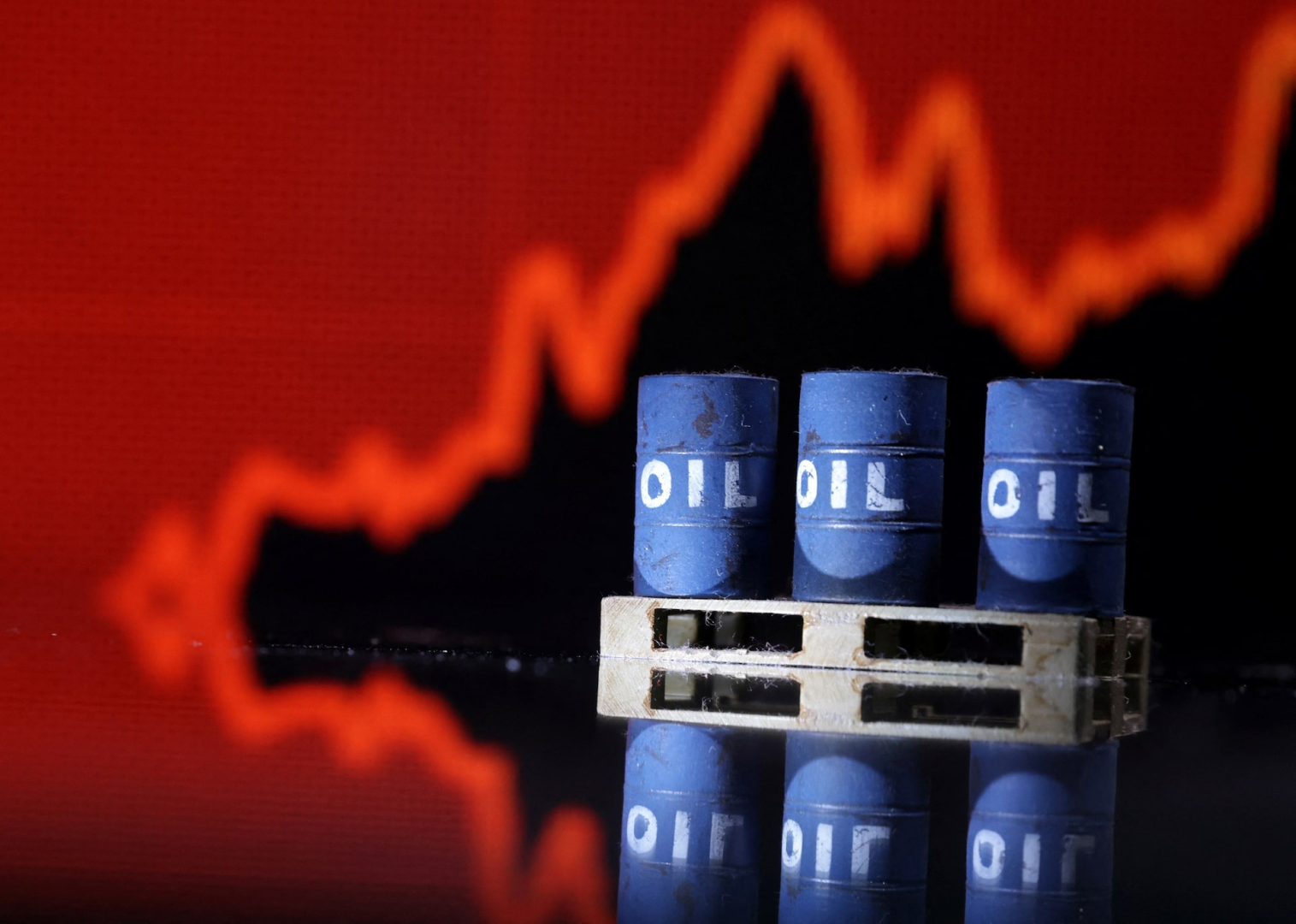
The impact of rising global oil prices is becoming increasingly evident. The disruption of shipping through the Strait of Hormuz, followed by security threats to routes leading to the Red Sea, has severely affected global crude oil supplies. Oil prices surged again on the global market today.
On the London exchange, Azerbaijan’s Azeri Light crude rose by $2.26 per barrel to $118.53. Brent crude gained $0.53 to reach $110.08 per barrel, while US West Texas Intermediate (WTI) crude rose by $0.45 to $104.11. The impact of higher oil prices on Europe was widely anticipated, with France among the first countries to feel the effects.
Rising energy costs have pushed up consumer prices, while inflation has eroded household purchasing power. Although wages and social benefits have been increased, inflation has undermined the gains. The resulting public discontent has spilt onto the streets, while the government faces limited economic resources to address the situation.
Meanwhile, US President Donald Trump’s decision to purchase diesel fuel from Russia has reportedly strained relations with Europe. This has raised concerns that European countries unable to secure liquefied natural gas (LNG) supplies from the Middle East could also face difficulties obtaining American gas amid political disagreements. Washington could potentially use energy exports as leverage to pressure European governments to align with US policy.
The process is already underway, according to the article. Europe’s most immediate option is to secure the reopening of the Strait of Hormuz and restore oil supplies to global markets. However, this remains a challenge.
Iran has so far shown little interest in reopening the strait. Tehran is using its control over the vital shipping route to press Europe to encourage the United States to withdraw from the Middle East, reopen the strait and lift oil sanctions against Iran. Europe’s current economic situation remains difficult.
Extract — continue reading at the source.