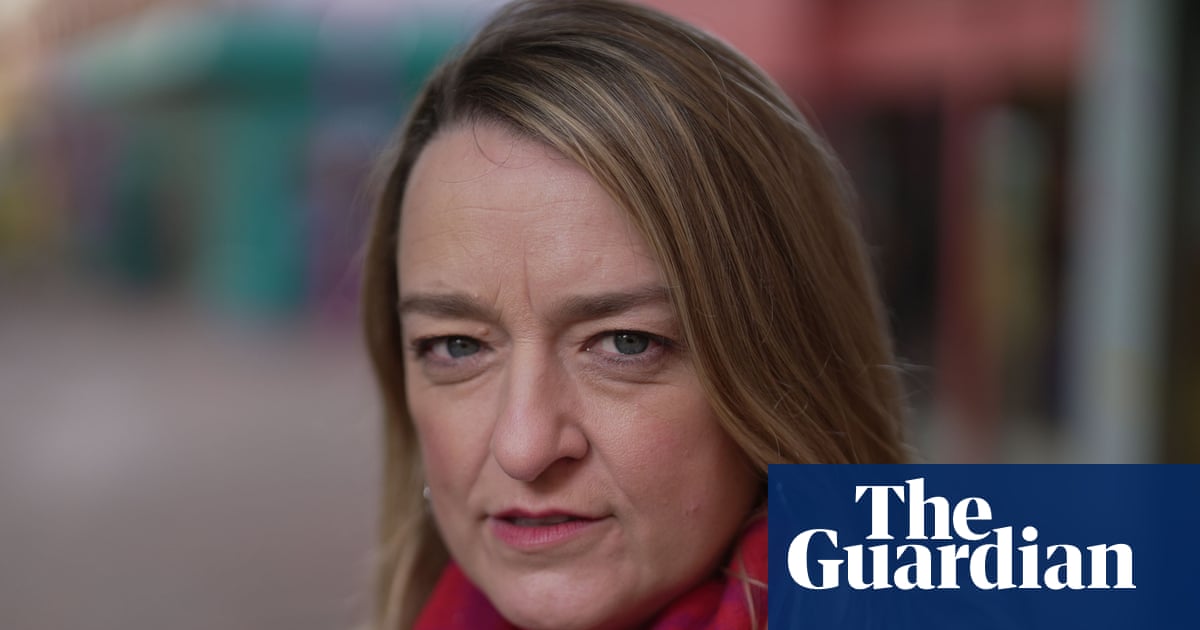
Amid all the vitriol hurled her way, the BBC’s political editor turned presenter has largely kept her counsel. She rarely complained even when she needed security to do her job unobstructed at Labour party conference under Jeremy Corbyn, or had to run the gauntlet of aggressive Brexit protesters outside parliament, or when a creepy unnamed minister tried to inveigle her into his hotel room for what an appalled Kuenssberg concluded was intended to be a threesome. Knowing everything she does is minutely parsed for bias, she keeps her cards close to her chest.
Until, apparently, something snapped. Pay Attention is a muted but heartfelt howl of frustration with politicians “who have looked like an absolute shower for a long time” but also, sotto voce, with voters, who she evidently wishes would occasionally take things more seriously. Having covered Westminster since the late noughties, Kuenssberg brings all that weight of experience to bear in spelling out just how far the abnormal is now becoming normalised in British politics.
Once, she points out, there was a cross-party understanding not to inflame racial tensions at sensitive times; now masked men can roam Belfast seeking foreign-born people to burn from their homes, and still Nigel Farage says they shouldn’t be called far right. The Greens, Tories and Reform all selected candidates for this year’s council elections who had previously expressed startlingly flaky views. The rapid turnover of prime ministers over the last decade isn’t normal either, she argues, but nor was the behaviour causing it – from the boozy loucheness of Boris Johnson’s Downing Street to Keir Starmer securing a whopping great majority but no mandate, having never really made a case for what he actually wanted to do.
This is a serious and earnest book, not a gossipy insider’s tale, focused on the failures of governance that have radicalised what she argues isn’t naturally a radical country. Kuenssberg describes a politics paralysed by fear, with MPs afraid of telling an angry public the hard truths they’ll happily discuss with her once the camera stops running. (Nobody she talks to, apparently, thinks government operates effectively or spends money well.) But there are glimpses too of journalism struggling to hold politicians accountable, in an era of shrinking audience attention spans – Kuenssberg is notably sniffy about fluffy interviews that focus on a politician’s colourful backstory, not their policies – and Trumpian resistance to scrutiny. She deconstructs the techniques Farage has developed to dodge questions he dislikes: expressing total conviction even when he doesn’t know the facts; turning questions back on his interviewer; and claiming to be persecuted by the media when cornered – an incendiary tactic Corbyn also adopted and which Zack Polanski is beginning to use, though Kuenssberg says at least Polanski has a “swagger and a bluntness” which means he’ll usually answer a straight question.
When a politician lashes out at the mainstream media, she argues, pay extra attention to what they’re actually doing: often it’s a distraction tactic. But she also identifies the weaknesses in mainstream politics that she believes gave Farage his opening. Ten years ago, she argues, it would have sounded “distressing and insane” to say there would soon be mass small boat crossings of the Channel: if that reality has changed, alongside the numbers of legal immigrants arriving and arrangements for housing them, perhaps it’s unsurprising that the public mood has changed, too.
For Kuenssberg, it started with a wave of eastern European migration in the 2000s that some communities struggled to absorb, followed by the 2015 exodus of refugees from war-torn Syria and European leaders’ apparent impotence in the face of what she calls a “massive migration crisis”. Politicians reacted first too slowly then too bombastically, promising to stop the boats and smash the gangs even when that wasn’t realistically possible, and fuelling the idea that immigration was beyond their control. What’s interesting about this argument – with which readers may agree or disagree – is that it is an argument, one of the few times she seemingly feels strongly enough to advance one.
Extract — continue reading at the source.