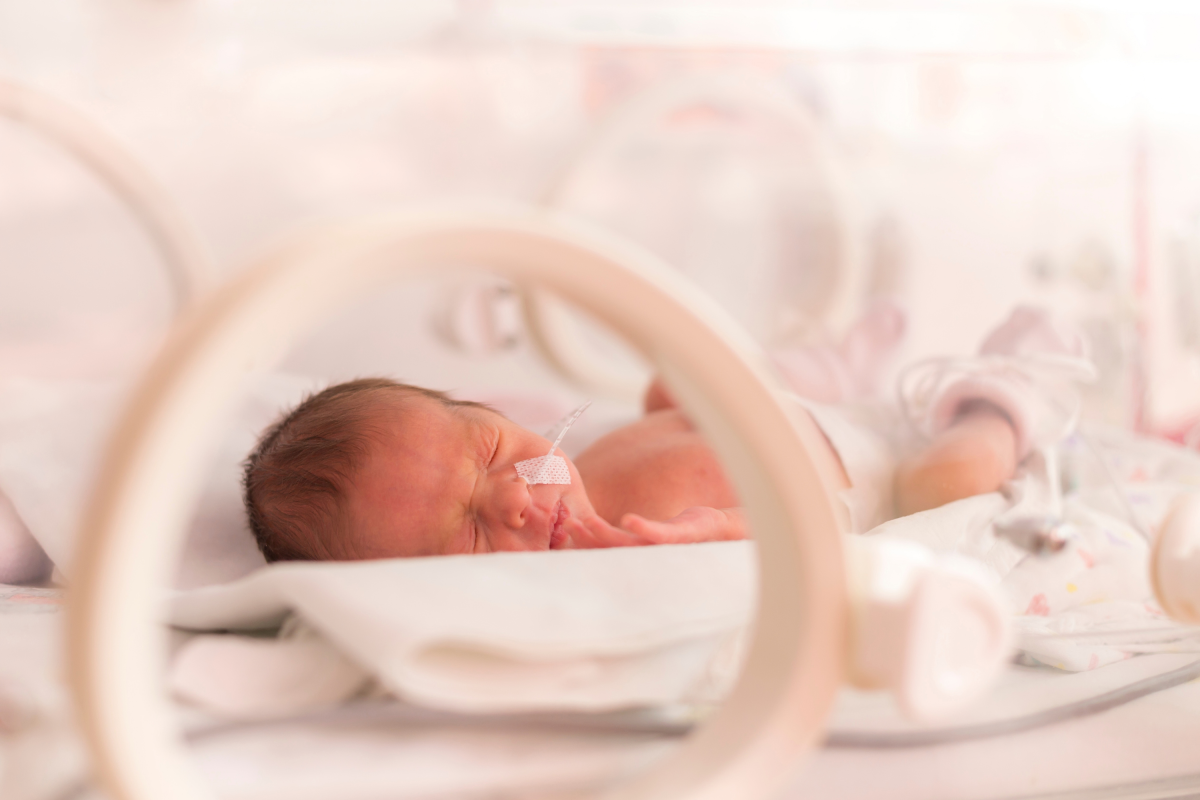
A supplement already used in some neonatal units could be linked to a significant reduction in one of the most feared complications facing babies born too soon, according to new research. Scientists from the Karolinska Institutet, Sweden, examined outcomes among very preterm infants and found that those given probiotics appeared less likely to develop severe bowel disease or die than similar babies who did not receive the supplements. The study, published in JAMA Network Open, focused on infants born between 28 and 31 weeks' gestation.
Researchers compared outcomes before and after probiotics were introduced nationally across Swedish neonatal intensive care units (NICUs). Necrotizing enterocolitis (NEC), a serious condition in which intestinal tissue becomes inflamed and can die, is among the most dangerous complications affecting premature babies. Severe cases may require surgery and can be fatal.
Mitha said Sweden's long-standing emphasis on breast milk feeding, family-centered care and skin-to-skin contact may have contributed to the positive results. He also noted that no probiotic-associated sepsis cases were reported among the supplemented infants. The findings add to a growing body of evidence suggesting probiotics may help support the development of a healthy gut microbiome in babies born prematurely.
However, independent expert Thao (Tina) Ho, associate professor and chief of neonatology at the University of South Florida Morsani College of Medicine, said there are different ways to look at the data. Using that comparison, the rate of NEC and/or death was 0.8 percent among babies receiving probiotics, compared with 2.9 percent among those who did not. That translates to roughly 48 babies needing probiotic treatment to prevent one additional case of NEC or death.
Ho described the large sample size and consistent use of a well-characterized probiotic formulation as strengths of the study. But she said that, because it was observational, it cannot prove probiotics directly caused the improved outcomes. Looking ahead, Mitha said one of the biggest unanswered questions concerns extremely preterm infants born before 28 weeks, who face the greatest risks of NEC and death but were not included in the study.
For parents, Ho said the findings may be worth discussing with their baby's medical team. Probiotics and Risk of Death, Necrotizing Enterocolitis, and Sepsis in Very Preterm Infants. JAMA Netw Open. 2026;9(9):e2635560. doi:10.1001/jamanetworkopen.2026.35560 Contact Newsweek editors on this story: Kara Dolman and Emma Lee-Sang
Extract — continue reading at the source.