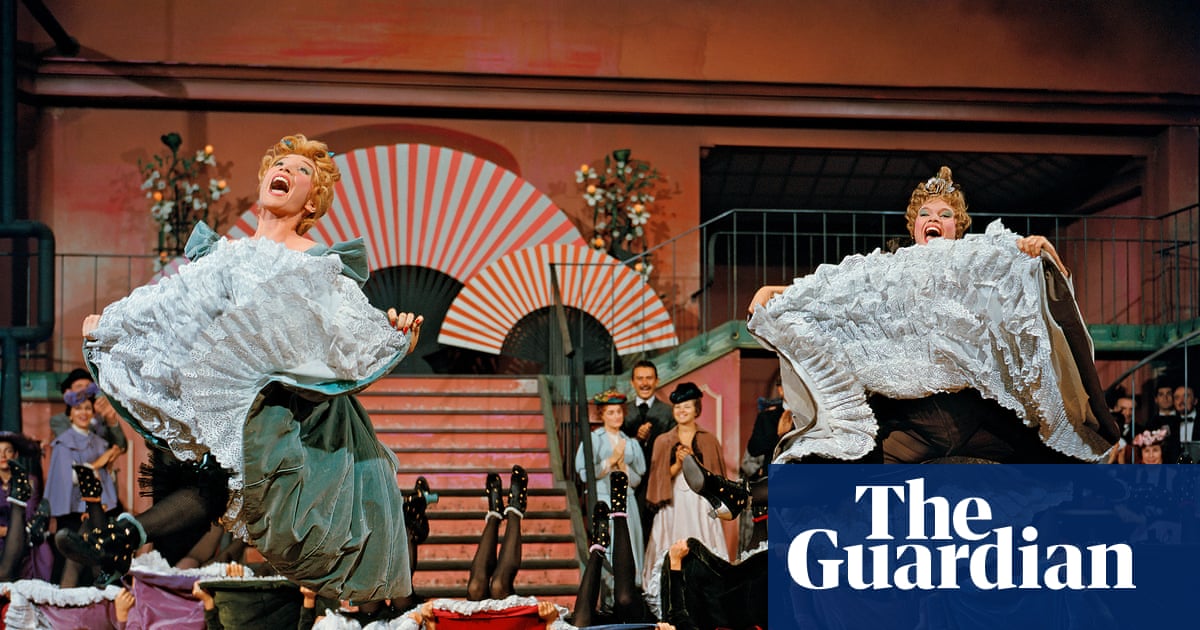
At a time when television was still an experimental medium, a golden age of photojournalism brought the outside world into people’s homes. Life ran weekly until 1972, spanning a transformative time in US culture. Photographers were dispatched across the globe, covering wars, political manoeuvres, social trends, hemlines and Hollywood.
And in December 1936, the magazine dedicated its cover feature to dance, with dancers from the new School of American Ballet gracing the front page. As such a vividly visual medium, dance would become a regular feature in Life’s pages across the years. When I was asked to write the text for a new book featuring a collection of dance-themed images from the Life archive, it was a kid-in-a-candy-shop situation.
For a dance fan there were some absolute gems to be found: the great George Balanchine crafting his ballet The Seven Deadly Sins – and cooking dinner in his Manhattan apartment; Margot Fonteyn and Rudolf Nureyev taking New York in a piece headlined The Hottest Little Team in Show Biz; or an ageing Agnes de Mille going full-throttle in rehearsal. But the archive told a much bigger story than that. It was fascinating to see the reflection of society through the way people danced: in ballrooms, nightclubs, proms and parties.
In the array of social dancers: from the waltz and tango to the lindy hop, mambo, twist and the frug, themes of the 20th century play out. You can see a story of growing individualism in the shift from structured couple dancing to going freeform on the dancefloor – gender politics, too, as it was out with “May I have this dance?” and in with the democracy of the disco. Life columnist Albert Goldman asked: “Has there ever been a decade for dance like the 60s?” as he wrote of a power shift from the stage to the dancefloor, from the professional performer to the “inventive amateur”.
There’s the birth of the teenager, too, bringing an explosion of pop culture and spreading dance trends on TV shows such as American Bandstand. The archive also tells a story of the US’s shifting relationship with race, showing dancers in segregated bars and newly desegregated schools. But more than that, we see the way music and dance styles from Black communities and from Latin America were adopted, appropriated and absorbed into the US mainstream, whether tap, jazz, Charleston or cha-cha-cha.
Dance even had something to say about cold war politics and paranoia. For a series comparing American and Soviet education systems, which found the US lagging worryingly behind, Life took photos of Moscow students in a dance class to demonstrate their iron-clad discipline, compared with easygoing American schools. The magazine captured visiting folk dancers from the USSR, as well as reporting on Khrushchev denouncing the dancing in a Hollywood film, and by extension, casting judgment on western culture.
Extract — continue reading at the source.