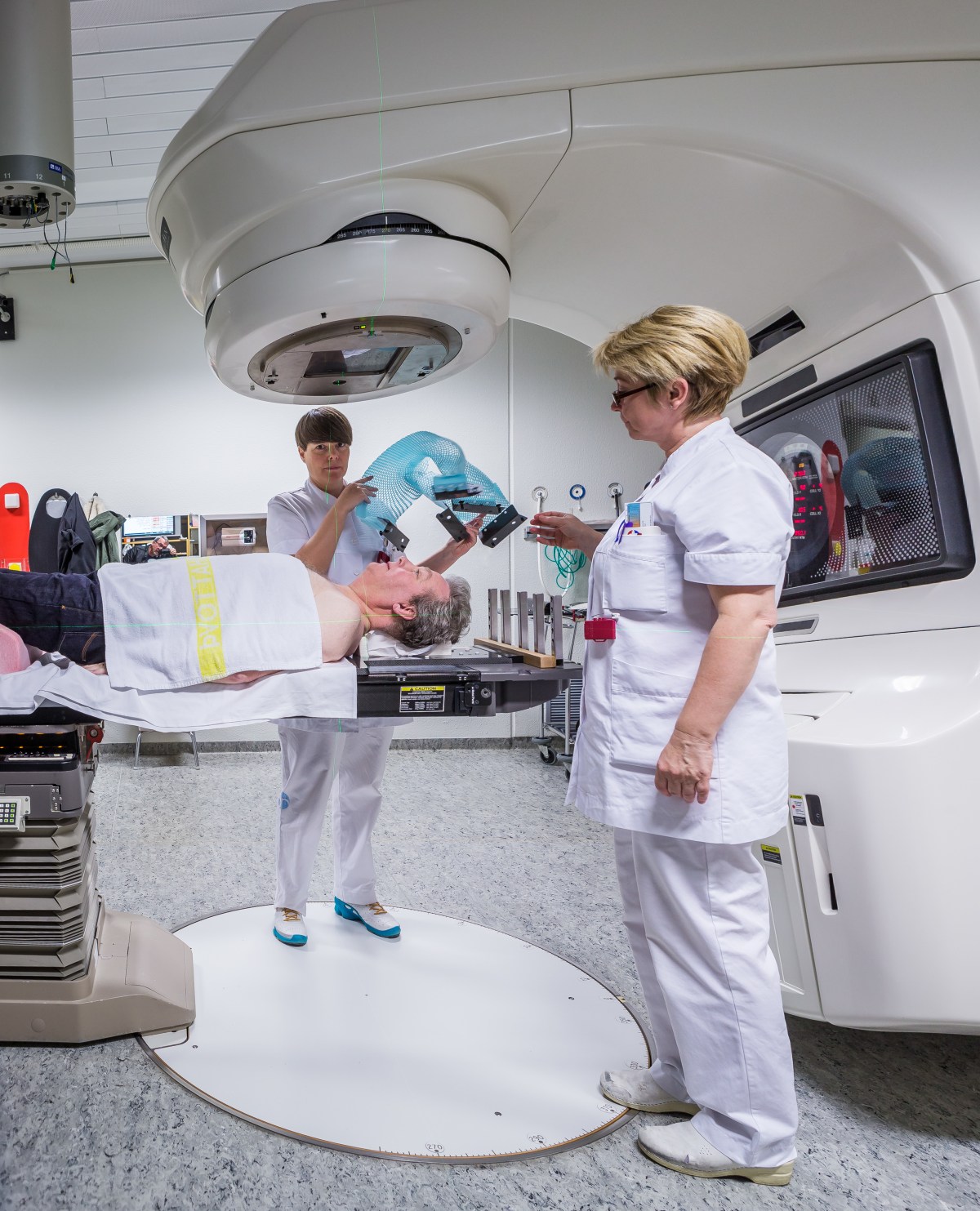
Yet too often, men diagnosed with prostate cancer are pushed toward a decision before they fully understand what the disease threatens, what treatment can deliver, and what it may take away. As a urologic oncologist, I believe we must stop treating survival as the only measure of success. A treatment that controls cancer but leaves a man incontinent, sexually impaired, or burdened by consequences he never understood has not earned an unquestioned victory.
This is not a niche concern. The American Cancer Society estimates that 333,830 men in the United States will be diagnosed with prostate cancer in 2026, with 36,320 deaths projected. Behind those figures are families confronting the same question: How do we fight a potentially deadly disease without causing avoidable harm?
The answer matters far beyond prostate cancer. Medicine must judge interventions by both what they prevent and what patients must live with afterward. I have cared for men across decades of their lives.
That perspective makes one fact impossible to ignore: a procedure may take hours, while its side effects can last for years. Urinary incontinence can restrict work, travel, and ordinary social life. Erectile dysfunction can reshape intimacy and relationships.
These are not minor inconveniences or acceptable collateral damage to be mentioned in passing. They are outcomes that belong at the center of the treatment decision. Fear, understandably, can drown out nuance.
Patients may hear "cancer" and assume that immediate, maximal treatment is the only responsible response. But prostate cancer varies widely. Some tumors demand prompt, intensive treatment.
Extract — continue reading at the source.