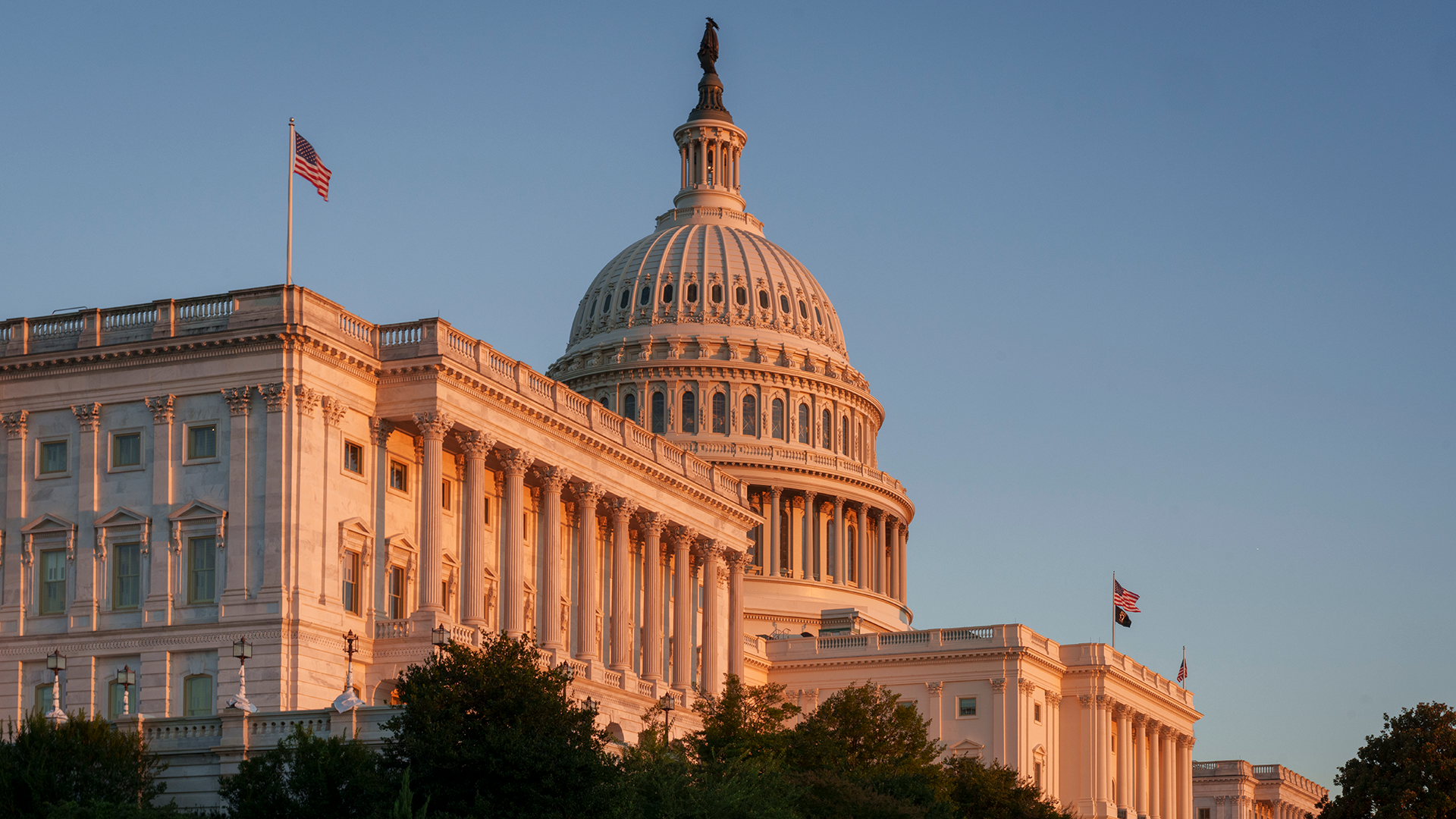
Senate is scheduled to vote on final passage of the historic bipartisan Protect College Sports Act, legislation designed to regulate college sports and codify the House v. The vote caps a long, winding road for college athletics on Capitol Hill. More than 40 college sports bills have been introduced in Congress since 2020, with several facing endless debate and committee review before dying on the vine without ever reaching the floor of either the Senate or the House.
One bill, the SCORE Act, was killed on the eve of its introduction on the floor. In July, the Big Ten and SEC requested changes to the PCSA before finally coming on board, as several deadlines passed. Senators are scheduled to begin voting Monday at 5:30 p.m.
The bill is expected to pass with at least 70 votes in favor, after several procedural votes have already reached that threshold. Still, big questions about the bill led by Sens. Ted Cruz (R-Texas) and Maria Cantwell (D-Wash.) loom.
After passing the Senate, it faces a new set of obstacles in the House of Representatives, including expectations of further requested changes. Further complicating matters, the House is not expected to return to session until after the midterm elections in November. Should representatives request changes, it could set up a back-and-forth between the chambers that delays a final vote in the House – further threatening passage before a new Congress is introduced in January.
Meanwhile, contingency plans are being developed outside Capitol Hill if the bill fails to pass before the New Year. Several power conferences are preparing to introduce new self-governance models under the House settlement, including player payments and potentially a larger pool of money (up to $50 million) to share with players. For now, one thing is certain: the U.S.
Senate will finally vote on the biggest piece of college sports legislation in years, and history will be made one way or another. The bill formally grants the NCAA and its members the prize they have pursued for a decade: a limited antitrust exemption. That legal shield would allow the industry to set and enforce eligibility and transfer rules without being challenged in court, as has often happened over the past several years.
Extract — continue reading at the source.