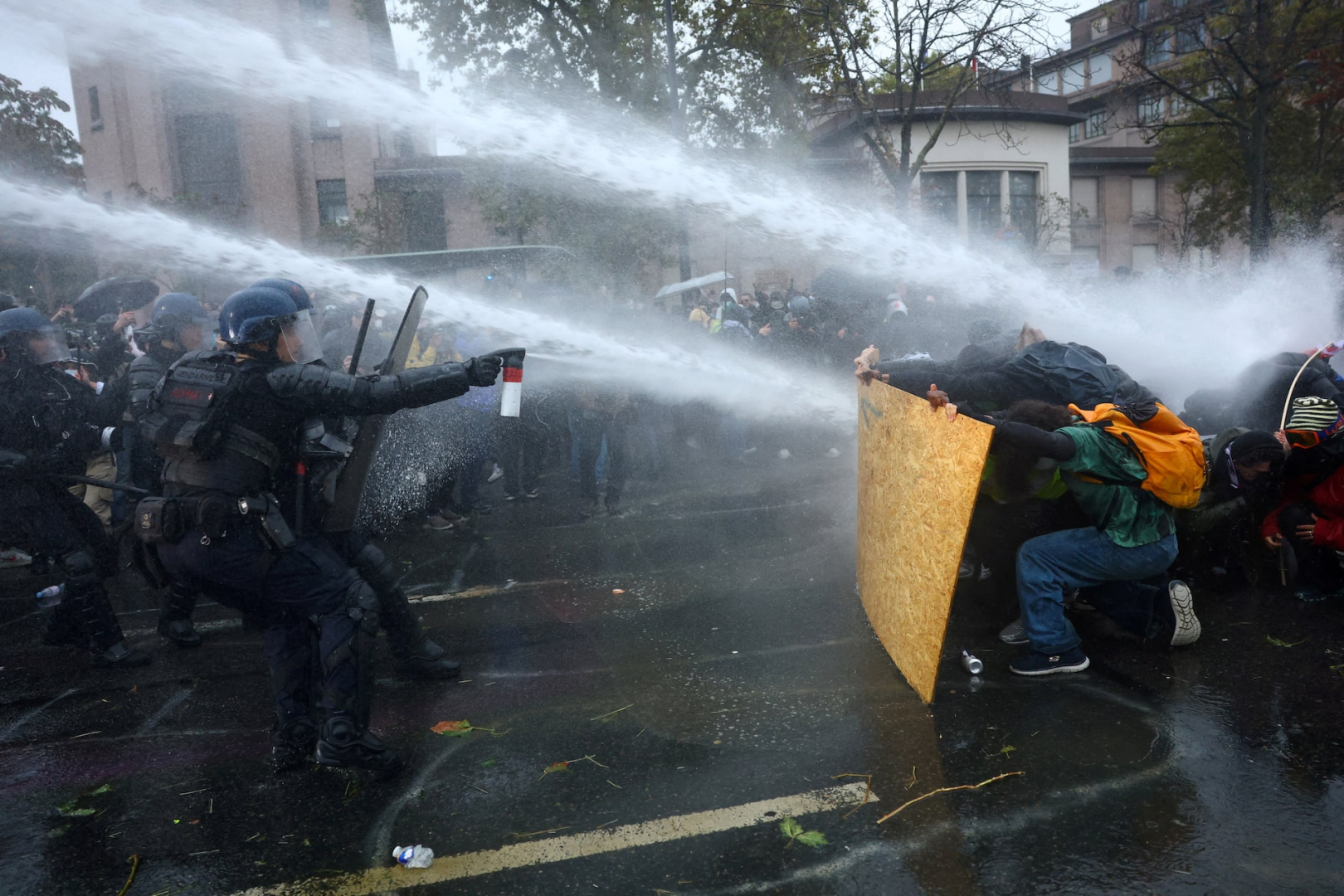
With the arrival of autumn, Europe has sunk into a wave of protests that still hasn't let up. Hundreds of thousands of people have taken to the streets, and not in a single country but in a good dozen of them at once. France, Italy, Belgium, Portugal, Greece, Albania, and Germany are next in line.
Yet behind all of these protests lies essentially the same cause, and it is an economic one. The cost of living keeps climbing, buying an apartment is flat-out beyond the reach of any young person, groceries keep getting more expensive, and wages aren't going up. For Europe's Generation Z [people born from 1997 to 2012], the so-called zoomers, there is simply nothing left to lose.
It is important to note that the current wave of protests in Europe was preceded by youth-led demonstrations in Asia. In Nepal, for instance, Generation Z succeeded in forcing the prime minister to resign last year following violent clashes with law enforcement. In India, the protests were much calmer this year, although security forces still had to resort to batons and tear gas.
In Bangladesh, meanwhile, protests in 2024 forced Prime Minister Sheikh Hasina to resign after 15 consecutive years in office. Now, youth discontent has spread to Europe. France, Belgium, Spain, Portugal, Italy and Albania have joined this kind of "revolution." It all started with something relatively minor, or so it seemed at the time.
In late September, schoolchildren took to the streets in France, fed up with crumbling school buildings and teacher shortages. Seventeen-year-old Bilal Nardjissi, from a suburb of Paris, said his school had once been infested with rats. Last year, students had to be evacuated after part of the roof collapsed into the school courtyard.
What seemed like a relatively minor grievance became the spark that set off a wave of unrest, shaking Europe's political establishment. Before long, students, trade unions, farmers and climate activists joined in. Their demands grew rapidly as the cost of almost everything continued to rise, public services were left chronically underfunded, and the authorities appeared unwilling to listen.
Extract — continue reading at the source.