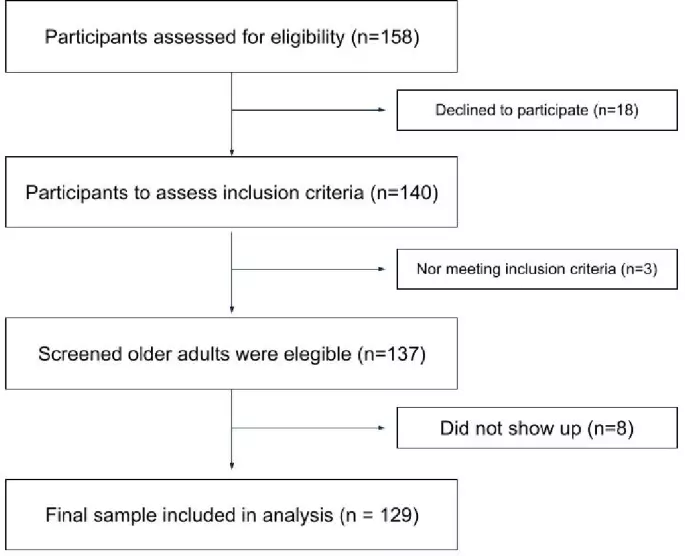
This study aimed to examine the associations between cognitive function, psychological distress, and sleep quality in older adults with cognitive impairment (CI). A cross-sectional analytical study was conducted in 129 older adults with CI. Cognitive functioning was assessed using standardized neuropsychological instrument, including the Montreal Cognitive Assessment (MoCA), together with complementary cognitive tests.
Psychological distress was evaluated through anxiety, depression, and perceived stress measures, while sleep quality was assessed using the Pittsburgh Sleep Quality Index (PSQI). The results showed the coexistence of cognitive impairment, moderate levels of psychological distress, and poor sleep quality in the sample. Significant correlations were observed between sleep quality and cognitive functioning, indicating that poorer sleep quality was associated with lower cognitive performance.
Psychological distress variables were also significantly related to cognitive functioning and sleep quality. Multiple regression analyses indicated that global cognitive performance was significantly associated with sleep quality, perceived stress, and anxiety levels. These findings highlight the simultaneous association and potential interaction between sleep quality, psychological distress, and cognitive functioning in older adults with cognitive impairment and underscore the importance of considering these factors together when assessing cognitive health in aging populations.
Population aging is one of the most significant demographic transformations worldwide, characterized by a progressive increase in the proportion of older adults in most regions of the world1. Recent demographic data from the European Statistical Office show that the proportion of people aged 80 years and older in the European Union increased from 3.7% in 2003 to 6.0% in 20231. This trend is expected to continue in the coming decades, posing important challenges for healthcare systems and increasing the prevalence of age-related conditions, including cognitive impairment.
Within this evolving demographic context, one of the most pressing and growing challenges in the field of public health is the impact of cognitive impairment (CI), a neurological condition that affects an increasing number of older adults worldwide, as shown by numerous prevalence studies2,3,4,5,6. CI is defined as a transitional or intermediate state on the spectrum of cognitive decline, lying on the border between cognitive changes considered normal within the physiological aging process and dementia, a more severe neurodegenerative syndrome with a significant functional impact7. Cognitive impairment (CI) is commonly described as an intermediate stage between normal cognitive aging and dementia, characterized by measurable cognitive decline that does not yet significantly interfere with daily functional independence.
Early identification of cognitive changes in older adults is therefore important for understanding factors that may influence cognitive trajectories and quality of life8. In research and clinical settings, cognitive screening tools such as the Montreal Cognitive Assessment (MoCA) are widely used to identify possible cognitive impairment and to characterize cognitive status in older populations9. In essence, CI is characterized by a cognitive decline that exceeds what would be expected based on the individual’s age and educational level, manifesting in difficulties in specific cognitive domains, but without reaching sufficient severity to significantly interfere with the individual’s ability to carry out their daily activities autonomously8.
Extract — continue reading at the source.


